.jpg)

.jpg)






 Share this article
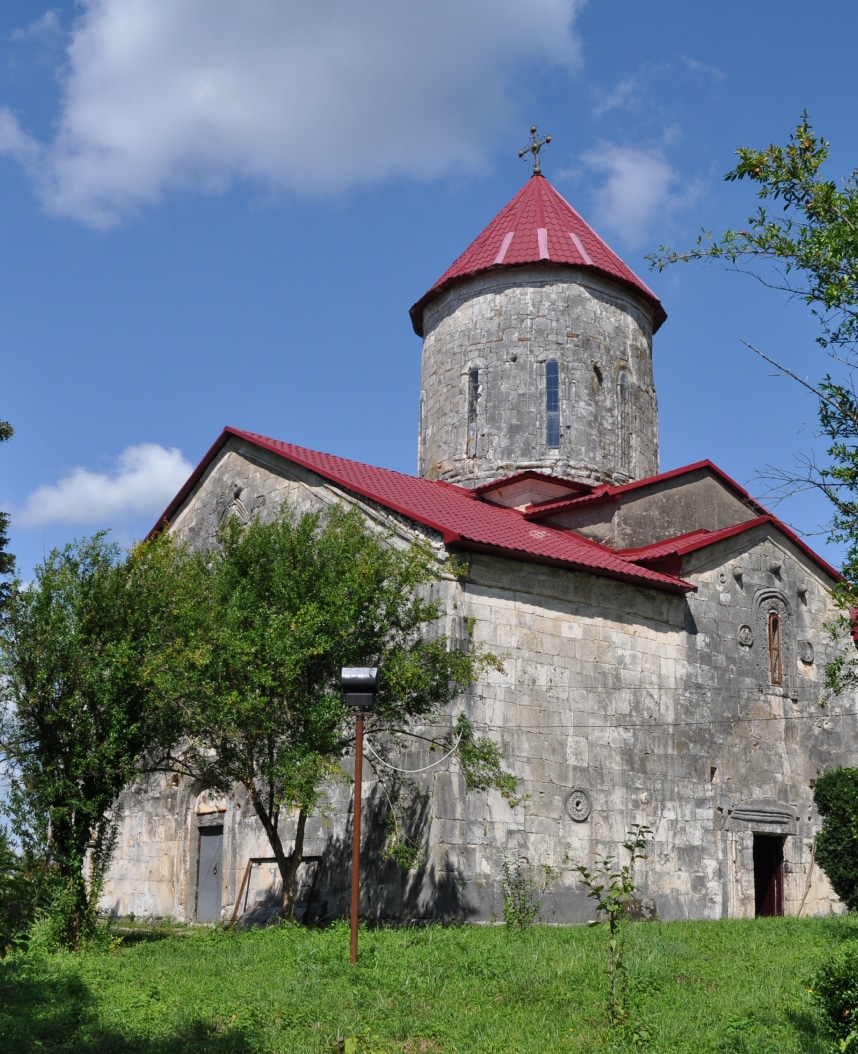
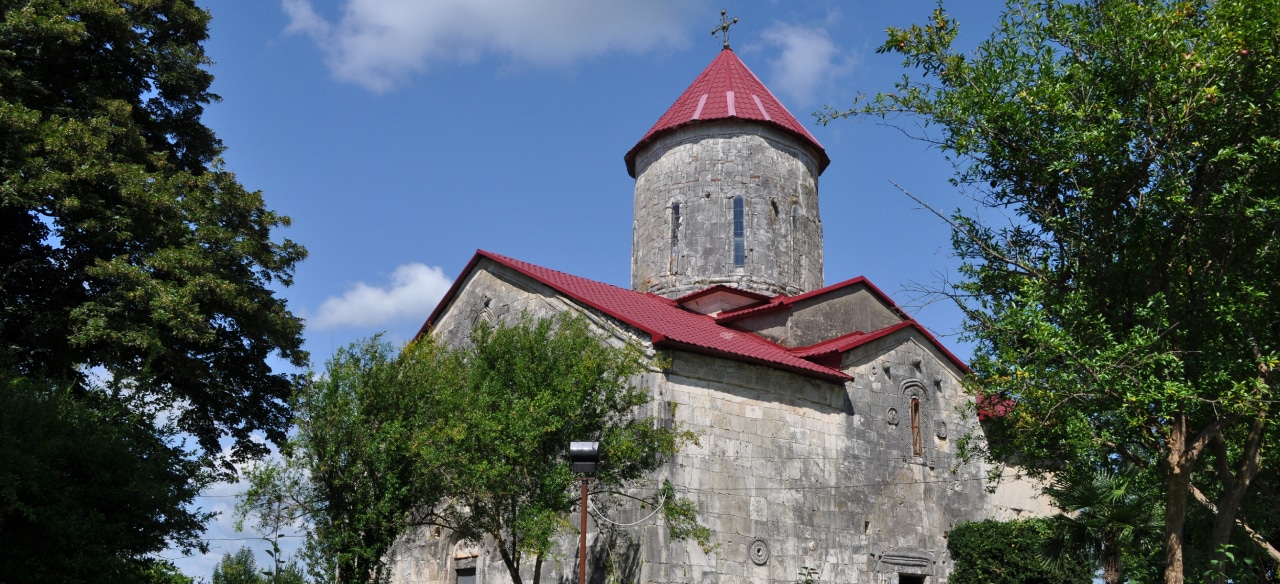
Tsaishi, located about 10 km southwest of Zugdidi in the Samegrelo province, is the site of one of the oldest episcopal sees in western Georgia. In the register of bishoprics compiled under the name of the early Christian theologian Epiphanius of Salamis—but actually written in the seventh century—the bishop of the Saisins is listed among the hierarchs of Lazica, a reference corresponding to what later became Tsaishi.
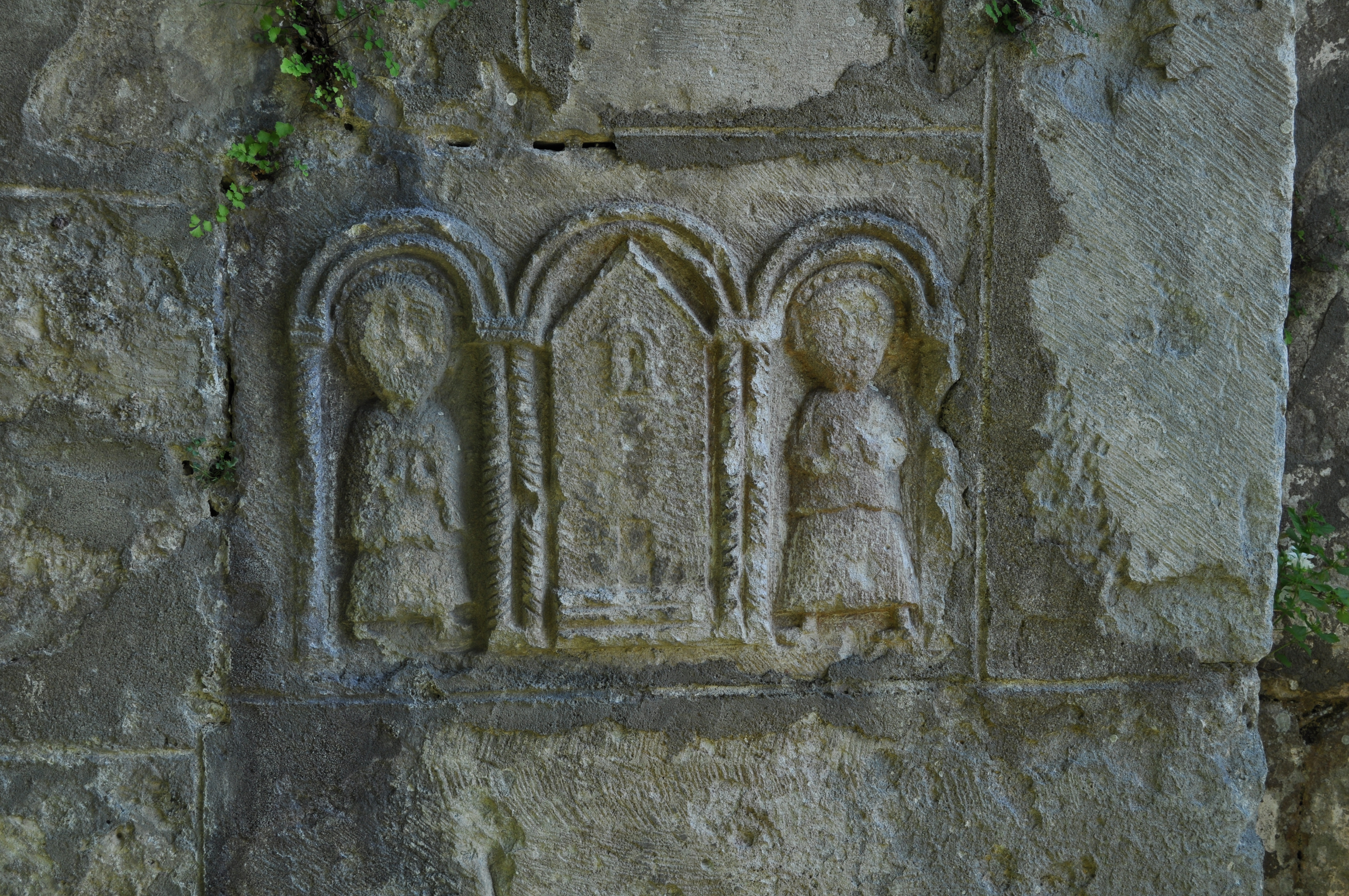
Nothing remains of the cathedral from that early period. In the late tenth century, it was replaced by a new building, now lost except for a relief slab inserted into the northern façade of the late Medieval bell tower. The slab depicts two donors standing symmetrically on either side of a model of a church with a pitched roof, suggesting that the tenth-century cathedral was a single-nave structure.
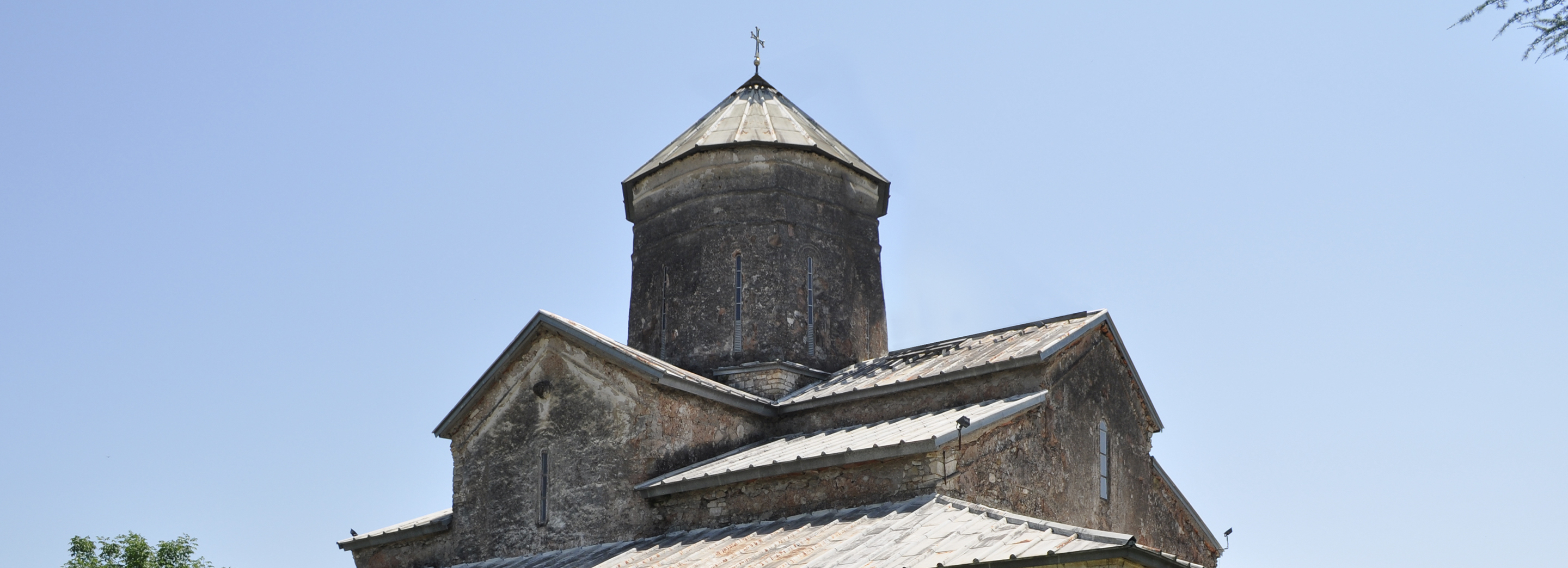
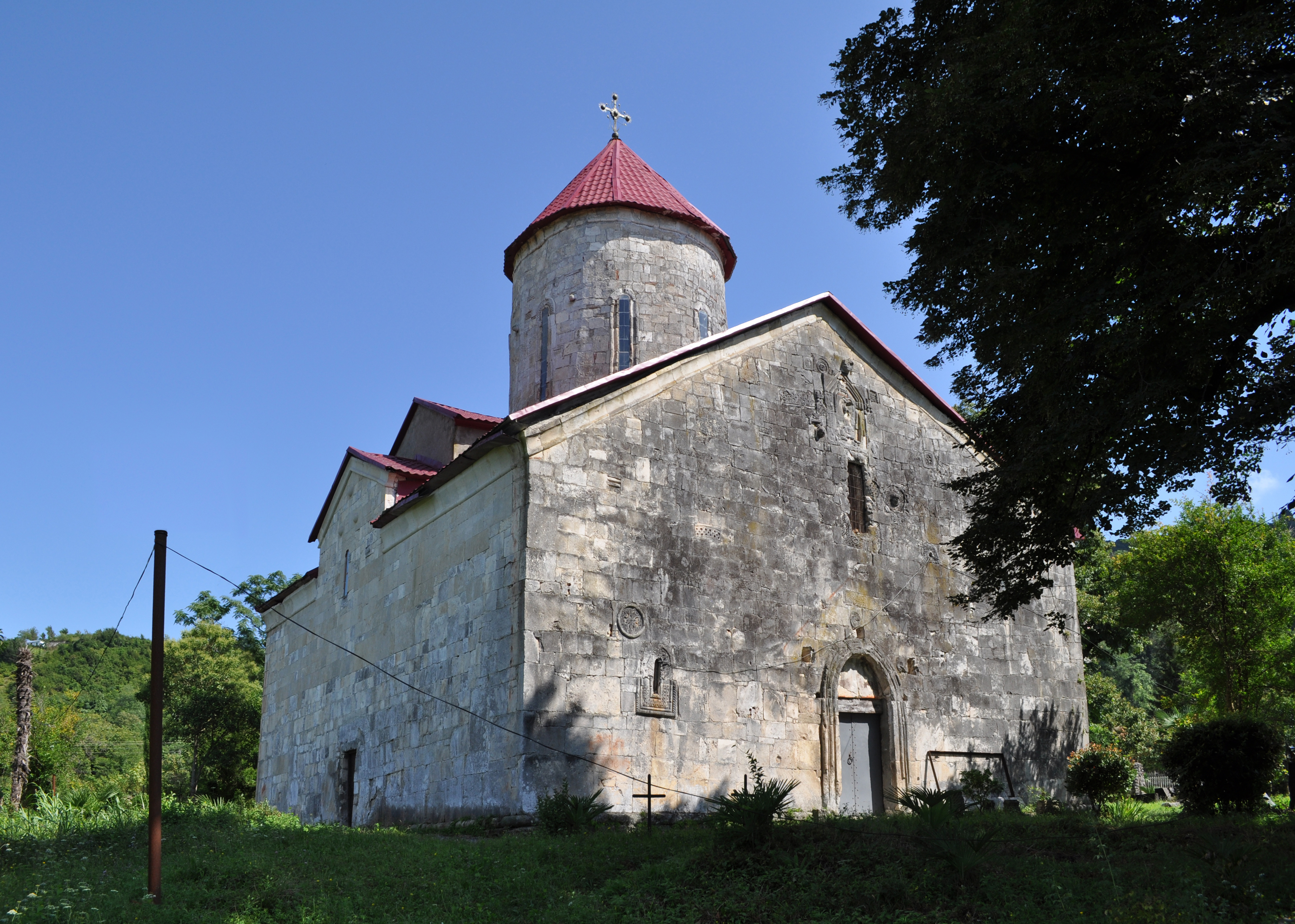
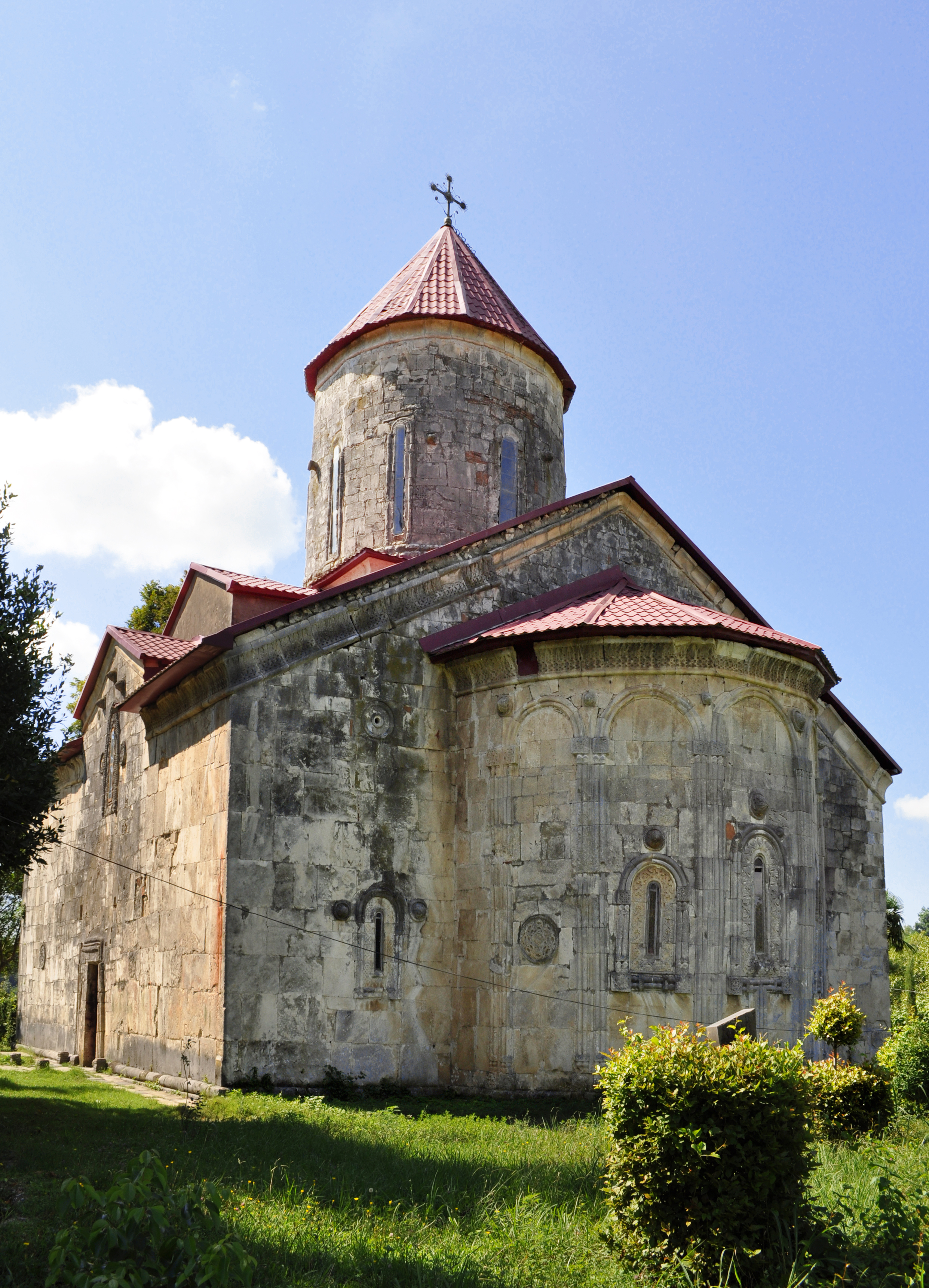
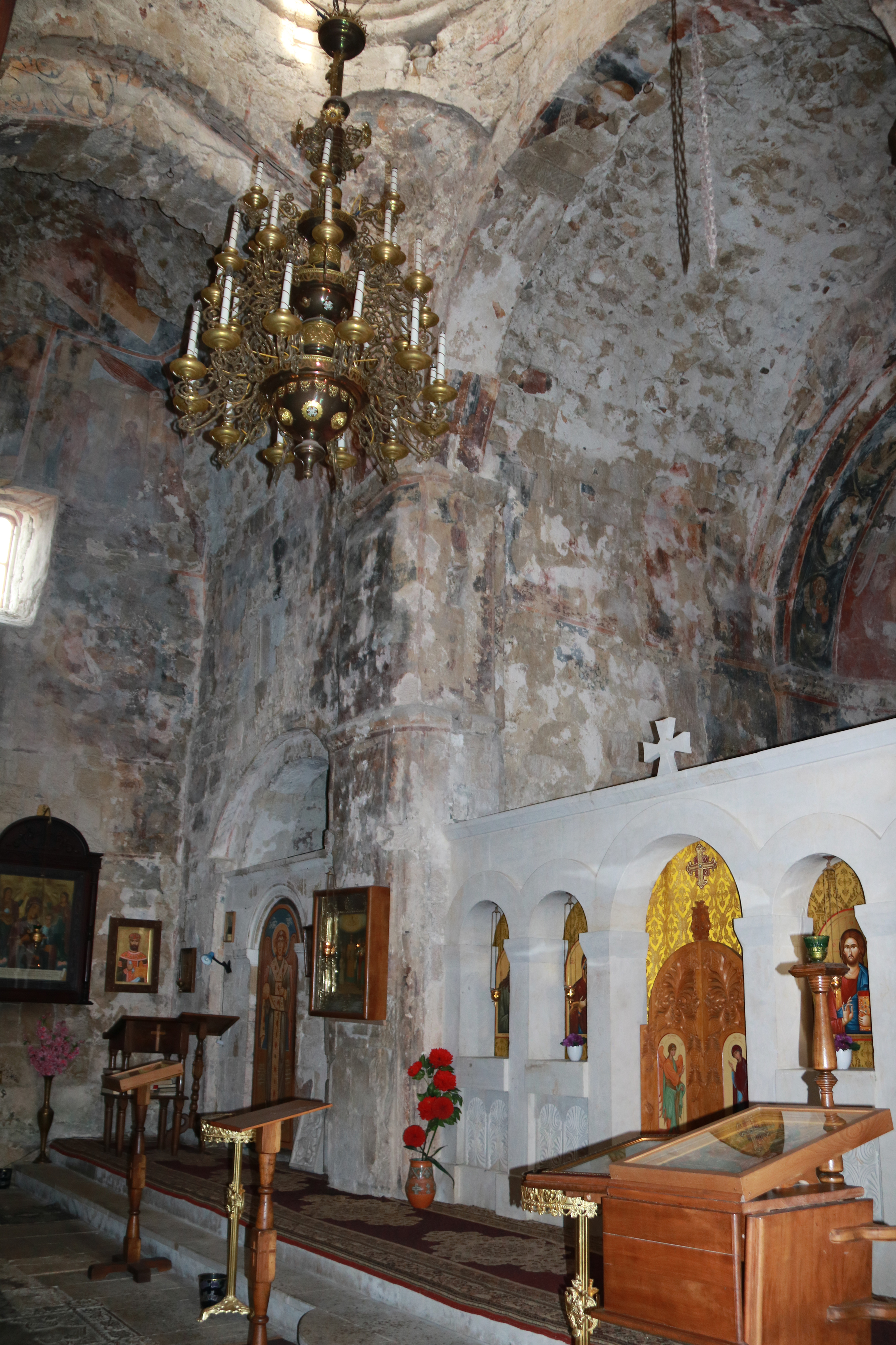
The current cathedral at Tsaishi was constructed around 1300. Nearly square in plan, it features a sanctuary apse projecting from the eastern wall, shaped in seven facets. The dome rests on two free-standing piers on the western side and on the bema walls to the east. The apse projection on the eastern façade is adorned with blind arches, and the windows are framed with ornamental decoration.
In 1612, the interior of the cathedral was painted at the order of Bishop Malachias. However, the building was severely damaged in the devastating earthquake of 1614. By then promoted to Catholicos of Abkhazia, Malachias led a restoration and repainting project between 1616 and 1619. The dome, vaults, and upper portions of the walls of the present structure, along with most of its murals, date from this period.
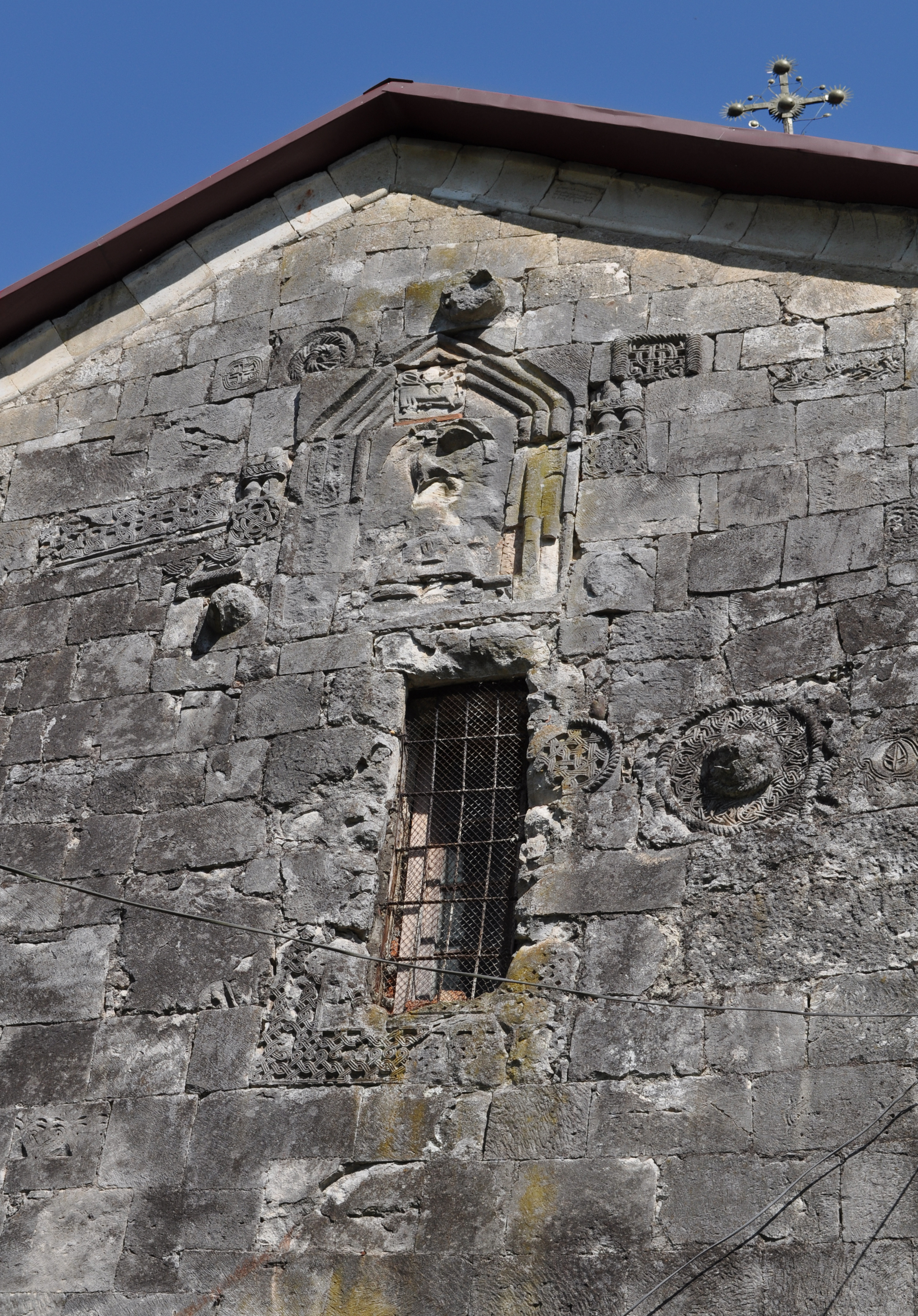
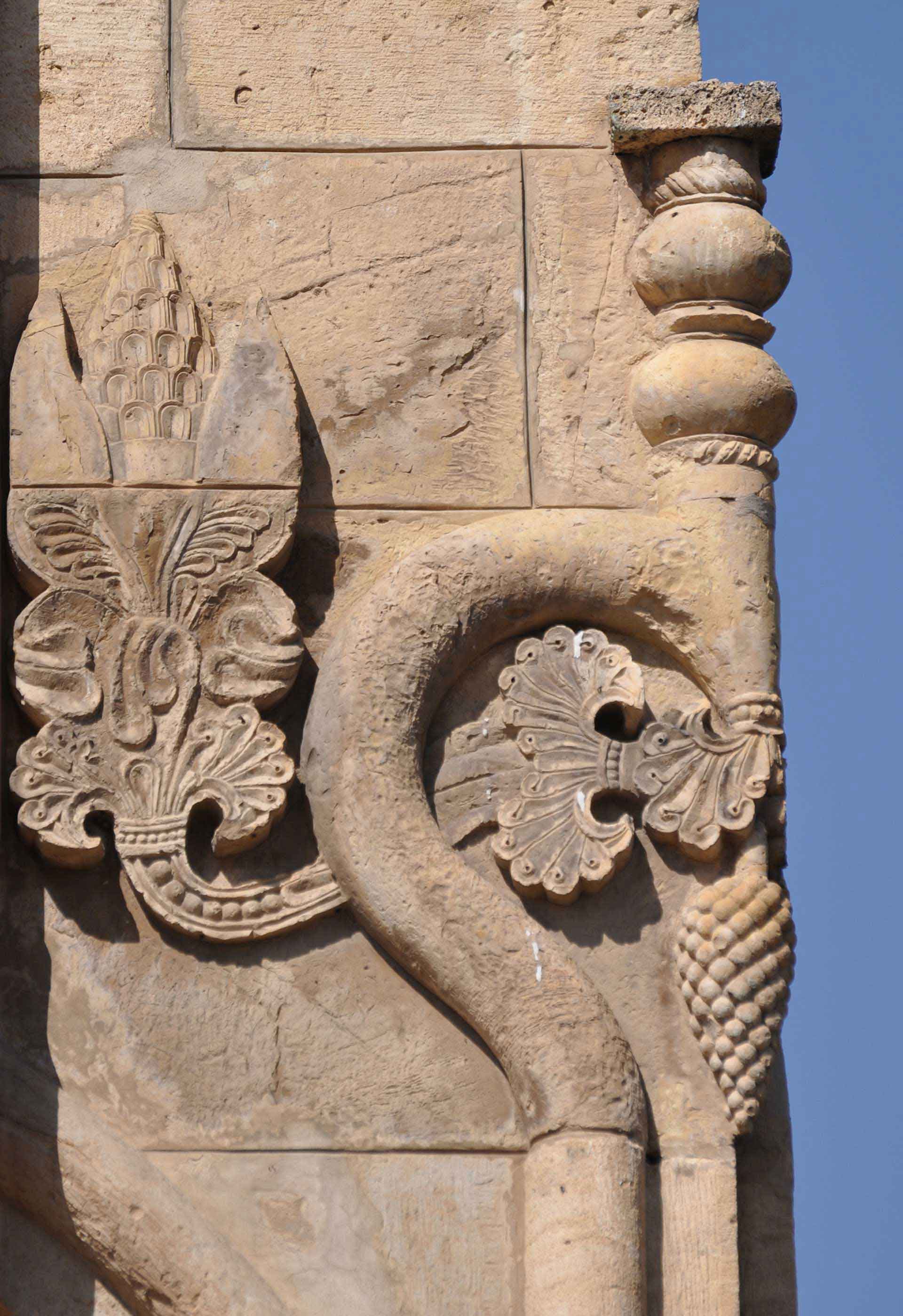
Catholicos Malachias also rebuilt the wall enclosing the cathedral courtyard and constructed a two-storey bell tower to the south of the church. Many decorative and sculptural stones dislodged by the earthquake were reused during the restoration and now appear scattered irregularly across the façades of both the church and bell tower.
In the late Middle Ages, Tsaishi served as a burial place for members of the Dadiani princely family and local bishops. The cathedral and bell tower were repaired again in 1777 by Bishop Grigol. In 1823, the Russian church authorities abolished the Bishopric of Tsaishi, and from then until 1879, the site functioned as a monastery. Following the Bolshevik occupation of Georgia, the church was closed. Religious services resumed in 1989. Today, the cathedral is dedicated to the Dormition of the Mother of God.