




/
menu
/

HISTORY

23/01/2026

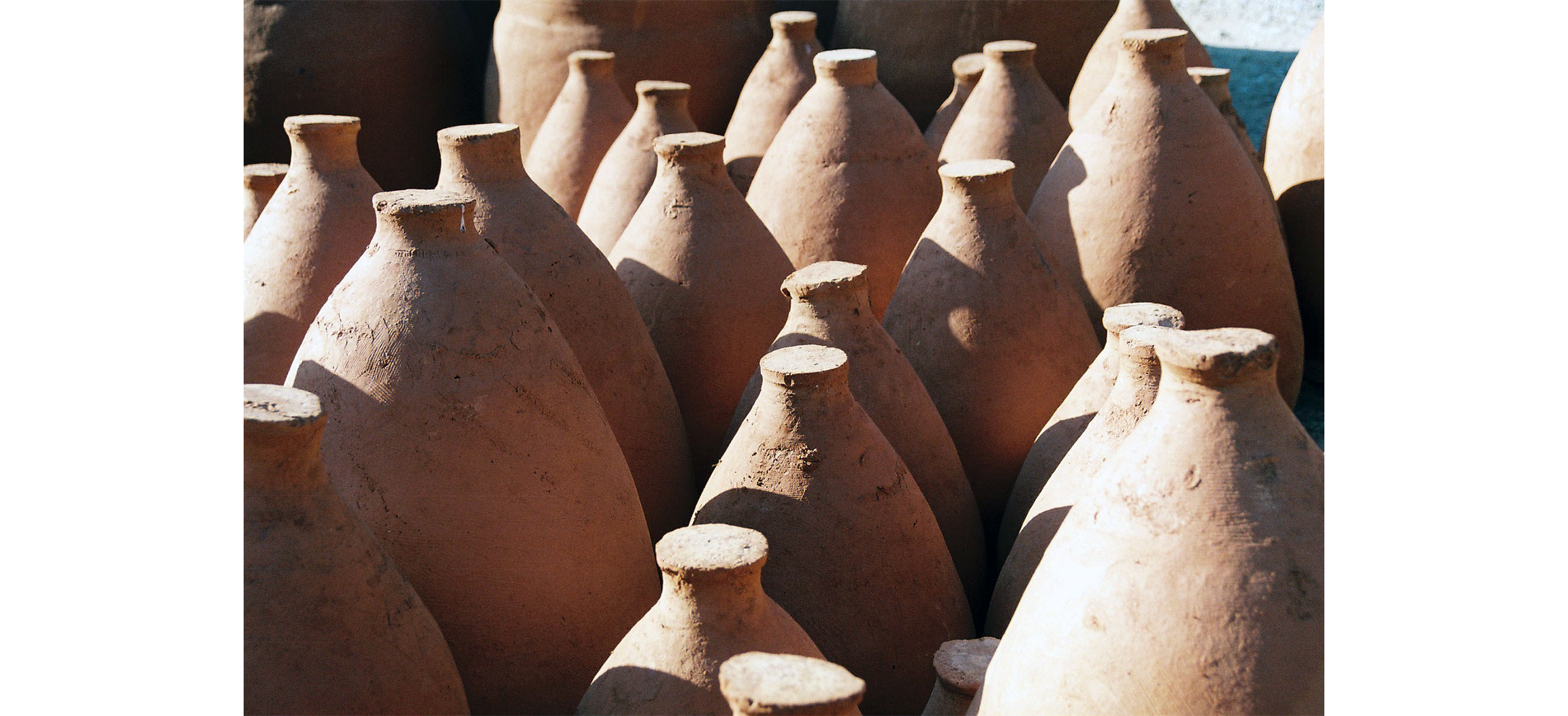
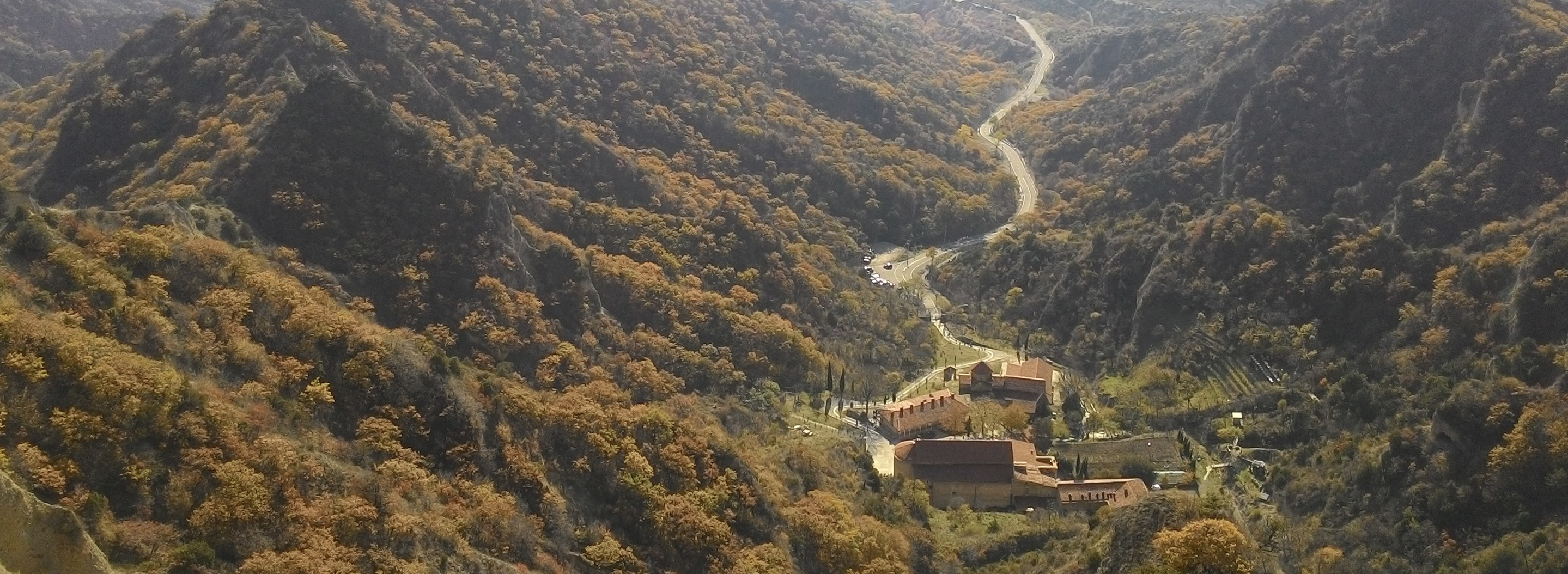
The Ancient Georgian Traditional Qvevri Winemaking Method

What is regarded as a flaw in our wine is actually its strength. And if our wine ever reaches the world market, it will be because of this virtue. Ilia Chavchavadze 1887

17/01/2026

AKAKI TSERETELI

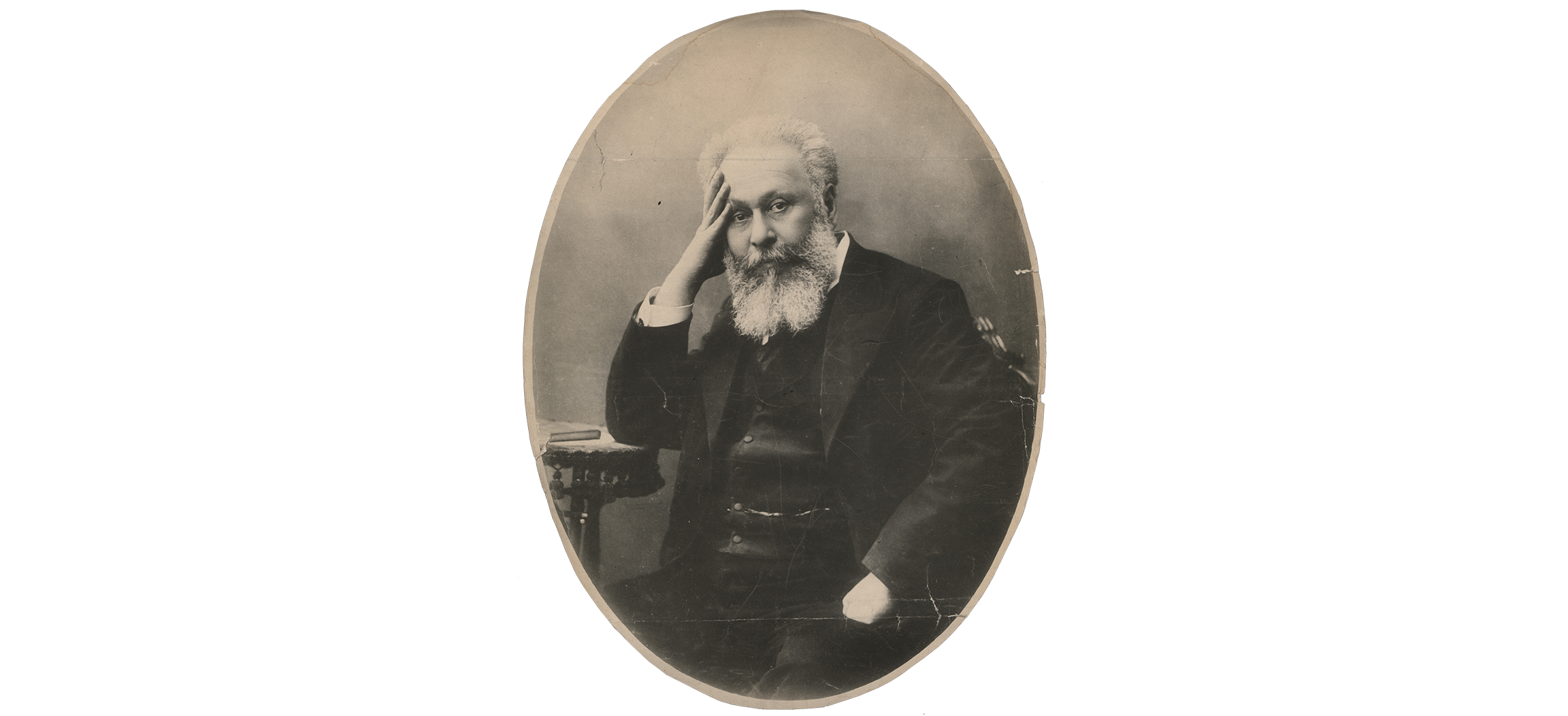
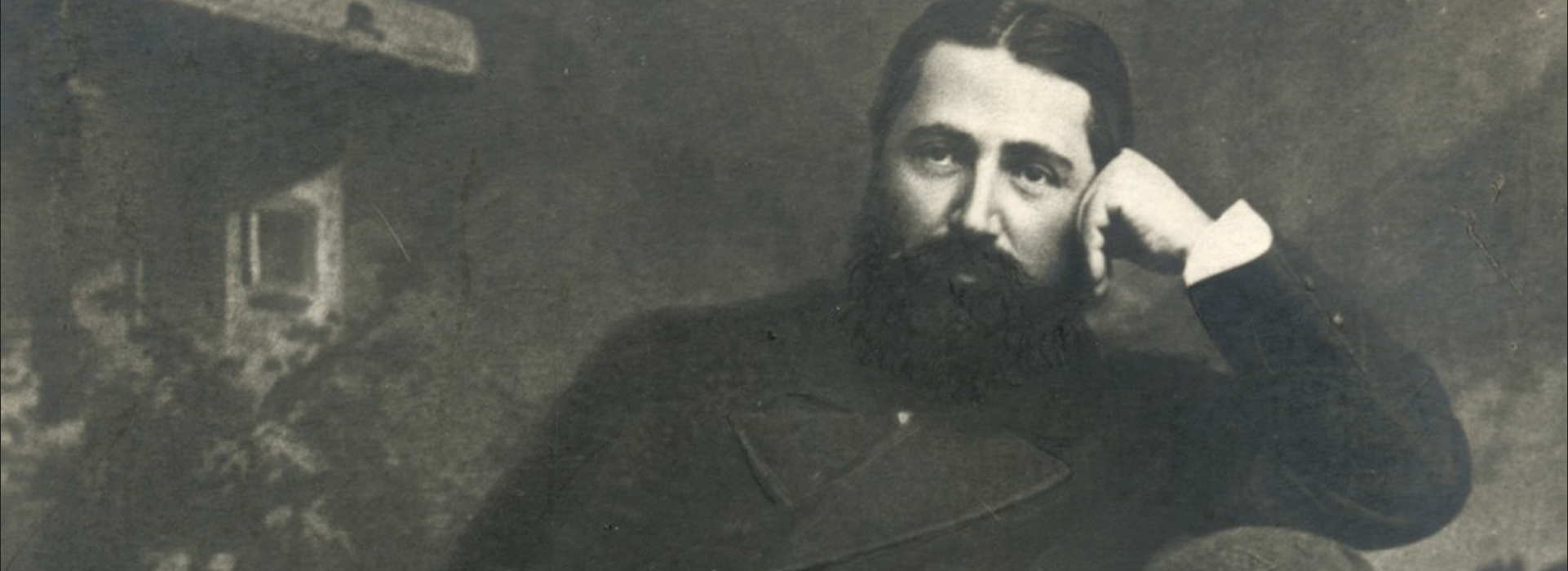
Akaki Tsereteli is unquestionably Georgia’s most beloved poet of the people. Indeed, he is known and loved more deeply than any other poet in the country. This extraordinary popularity stems from both his character and deep regard for his people, and, most importantly, from the uniqueness of his work. Tsereteli was a poet who was open, honest, simple, compassionate, and occasionally self-deprecating; who never shone the spotlight on himself; who used poetic forms that were popular and easy to understand; who creatively understood what people were saying; who skillfully adapted metaphors and idioms to fit the context; and who ruthlessly exposed political and social vices and human weaknesses through his creations. Tsereteli’s inexplicably profound compassion for the misery of his fellow citizens succeeded in piquing not only the interest of his contemporary society, but that of future generations too.

27/12/2025

Christmas is Coby

Shimmering glass, soft colors, silvery surfaces and distinctive packaging. Twelve Christmas tree ornaments, carefully placed in boxes of deep burgundy—the color of the state flag of the First Republic of Georgia—bore an engraved inscription: “Christmas is Coby.” Through this emotionally charged brand message, their creator, a Georgian immigrant, wished Americans a Merry Christmas.

01/11/2025

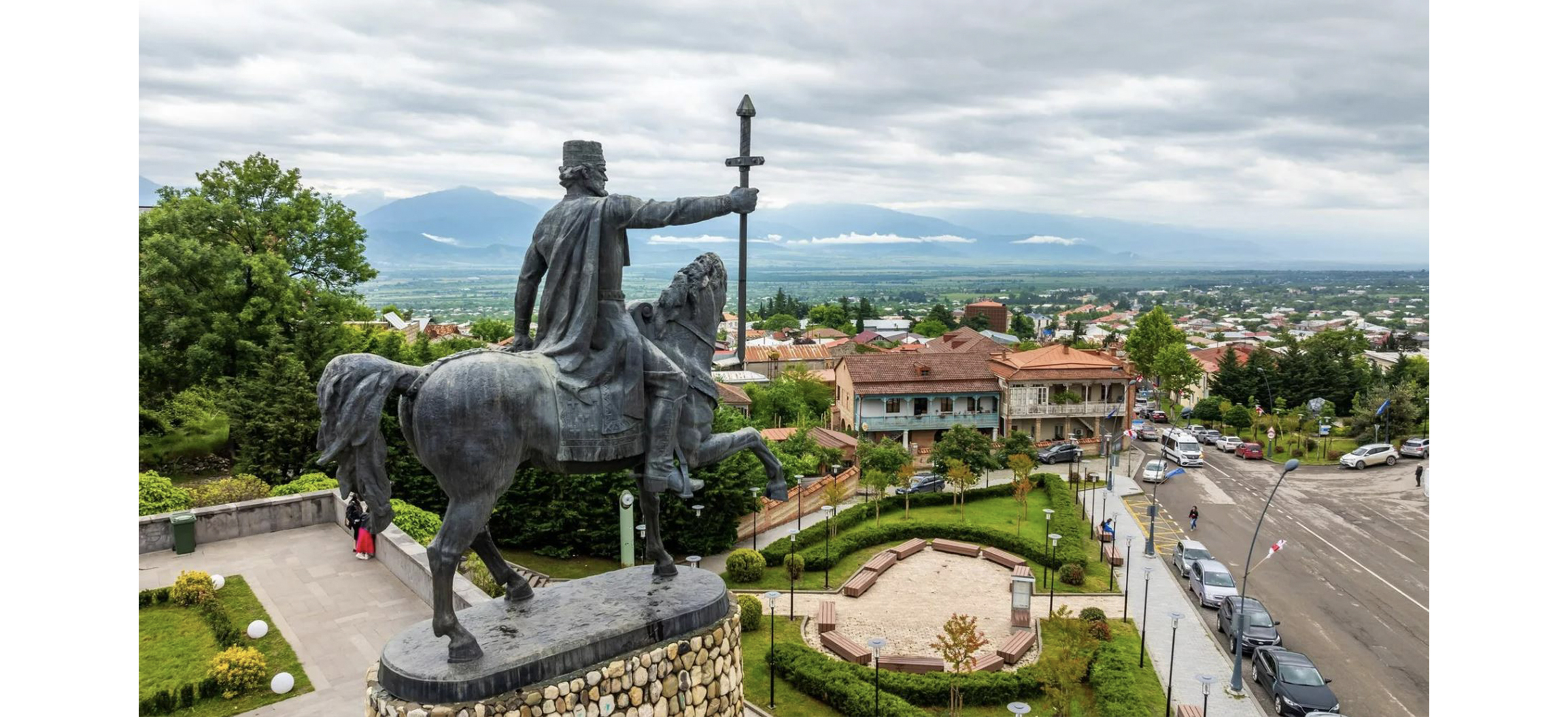
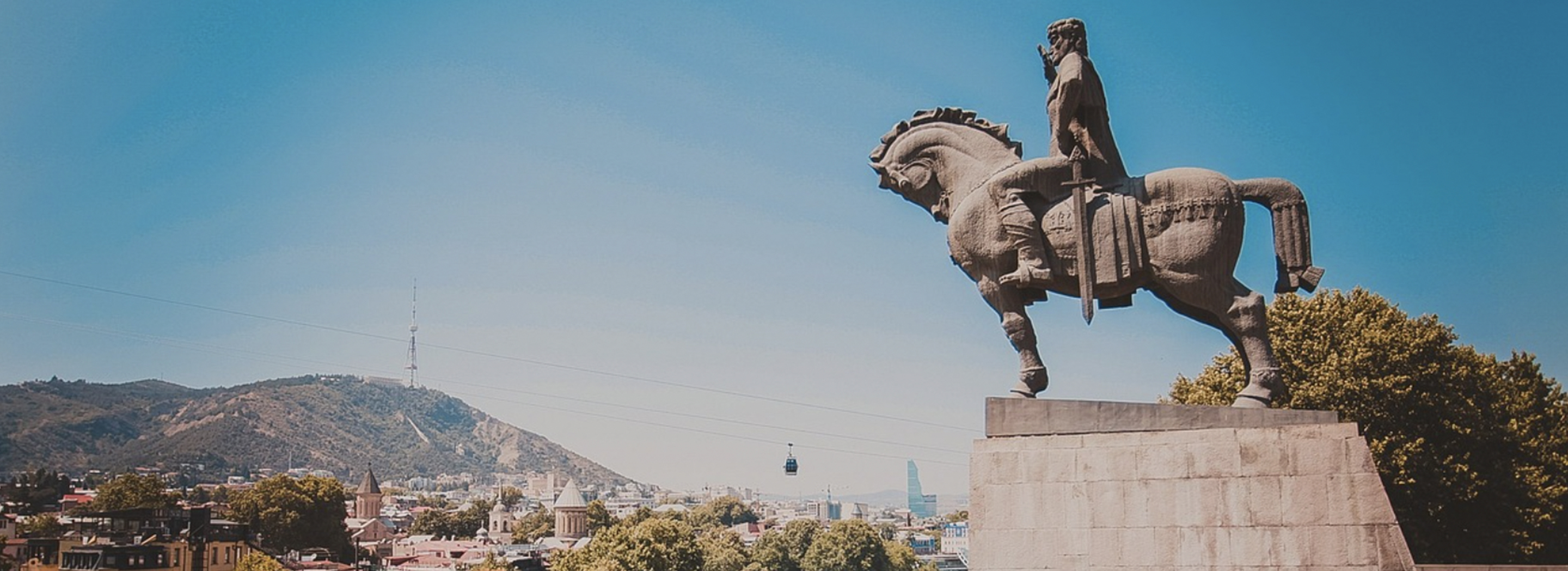
King Erekle (Heraclius) II (1744-1798)

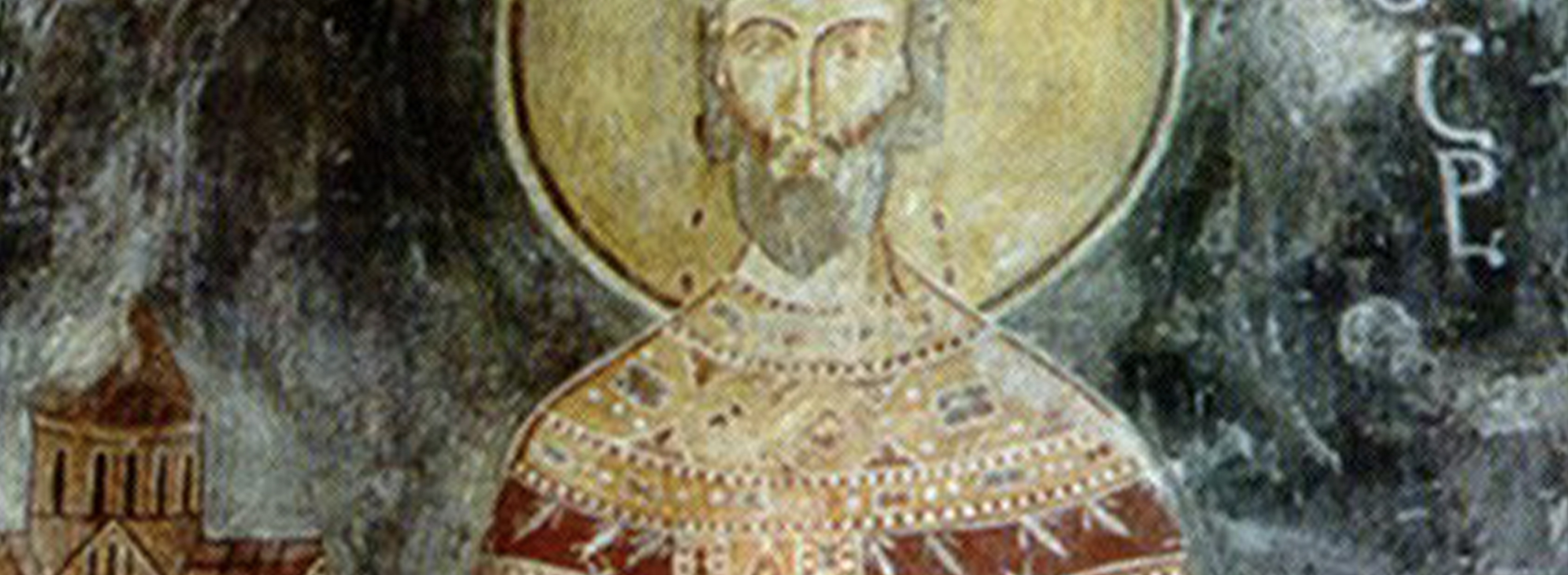
King Erekle was a son of King of Kakheti Teimuraz II. King Teimuraz II ruled Kakheti from 1709 to 1744, first as a governor, and then as King of Kartli from 1744. Interestingly, Teimuraz’s father, Erekle I (1688-1709), and brother, Constantine II (1722-1732), were not distinguished by their devotion to Christian religion or high ideals. Indeed, their biographies show that power was more important to them than the well-being of their subjects or peaceful relations with the neighboring rulers. Yet, it appears that, unlike his father and brother, Teimuraz was firmly determined to defend Christianity and establish an alliance with Russia so as to be able to defend his kingdom against its Muslim neighbors. Erekle II’s mother, Tamar, was the daughter of King Vakhtang VI (1716-24), so the prince, born in Telavi on November 7, 1720, united both the Kartlian and Kakhetian branches of the Bagrationi dynasty of Eastern Georgia.

29/09/2025

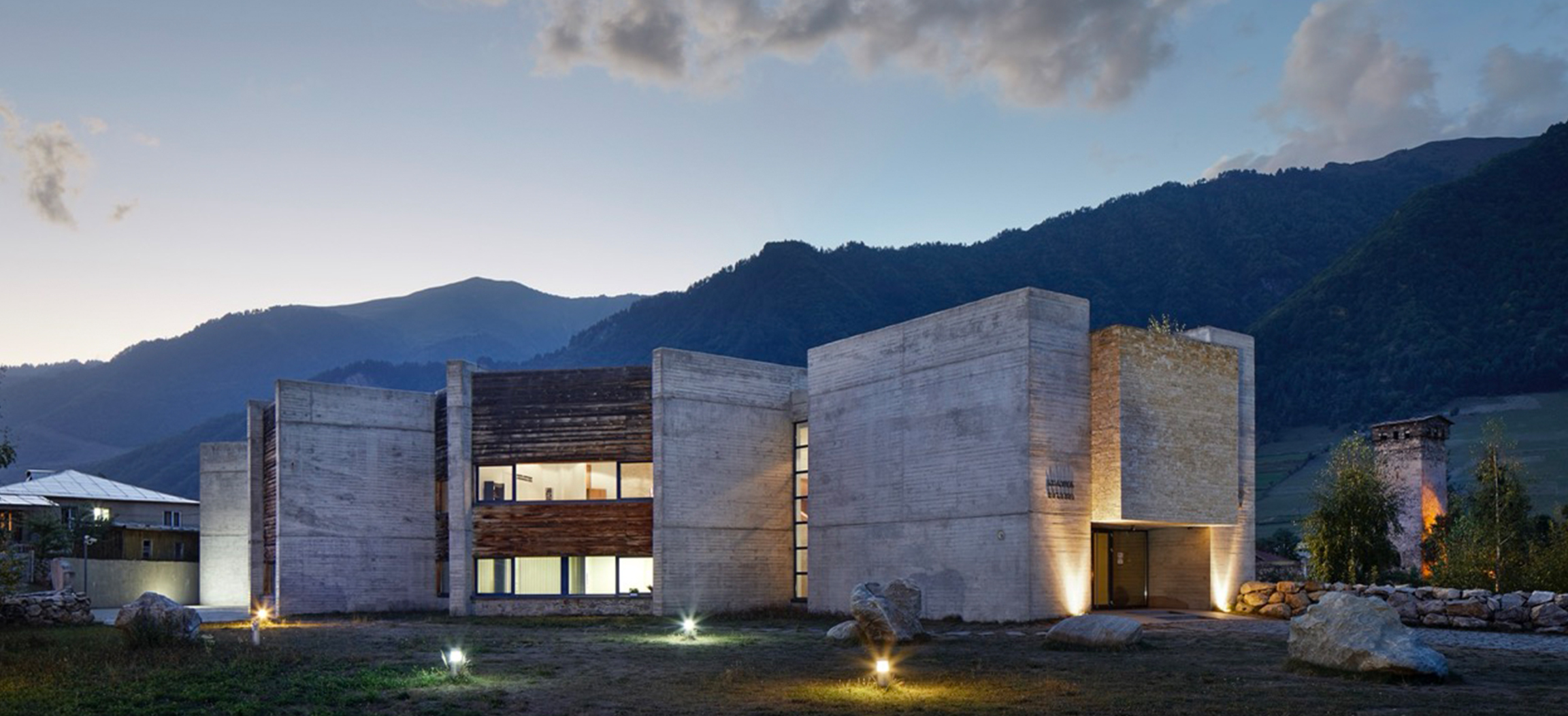
SVANETI MUSEUM OF HISTORY AND ETHNOGRAPHY

Georgia’s geographical location has long positioned it as a natural crossroad of civilizations. Despite centuries of external influences, the country has managed to preserve its cultural identity. Today, as Georgia tries to re-establish itself on the world map, our goal—alongside developing common values and participating in global processes—is to safeguard and celebrate that identity. I believe Svaneti and its renovated museum play an important role in this endeavor.

07/05/2025

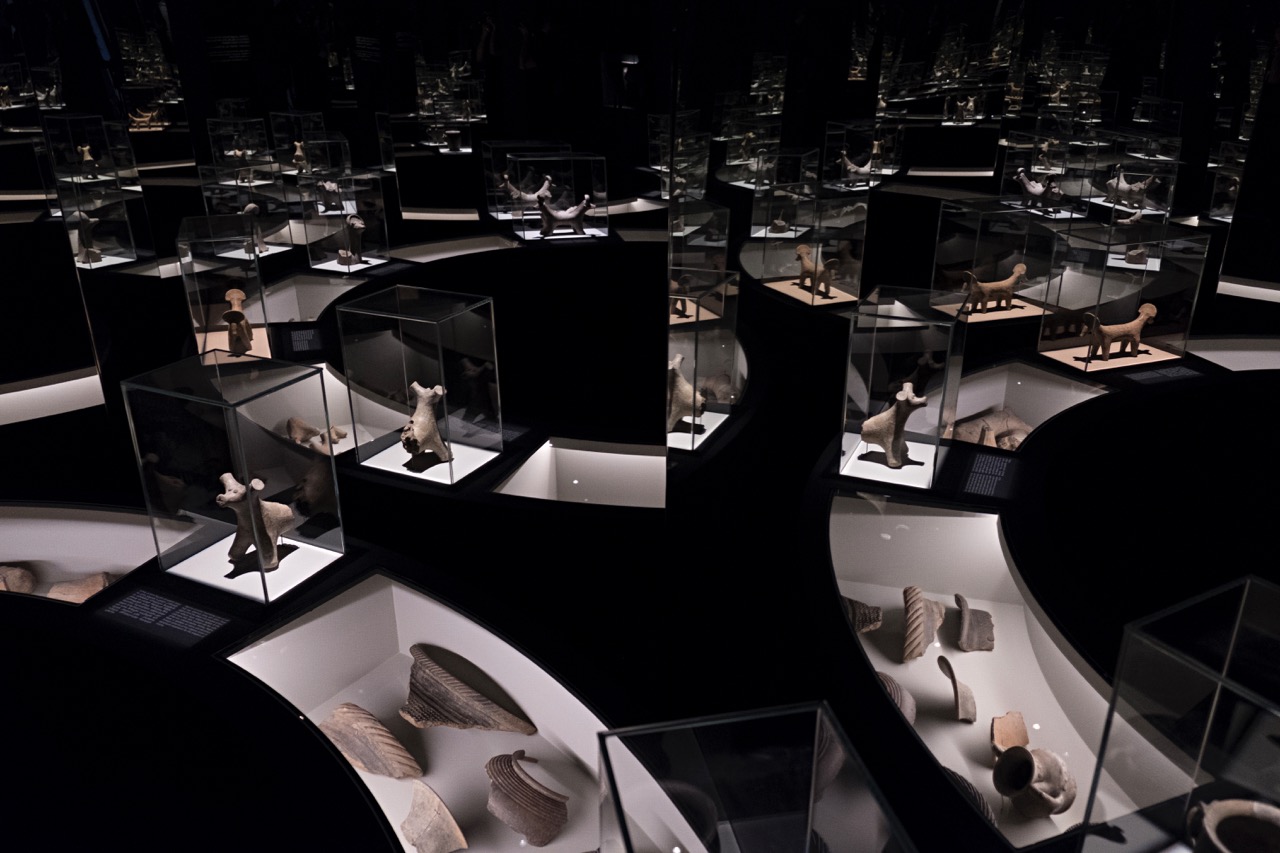
Museum: A Bridge between the Past and the Future

In the old Georgian language, Vani implies a residence, dwelling, or monastery. As a name signifying a location in Imereti, it first appeared in recorded data in the 1870s. This is how the "Vani Gospels" inscription, as well as the descriptions of the German traveler Guldenstedt, refer to the village, which is now known as "Upper Vani" and is famous for the Archangel Church erected during the 11th and 12th centuries. According to Vakhushti Bagrationi, an 18th-century Georgian historian and geographer, Vani was known as "Sachino."

15/04/2025

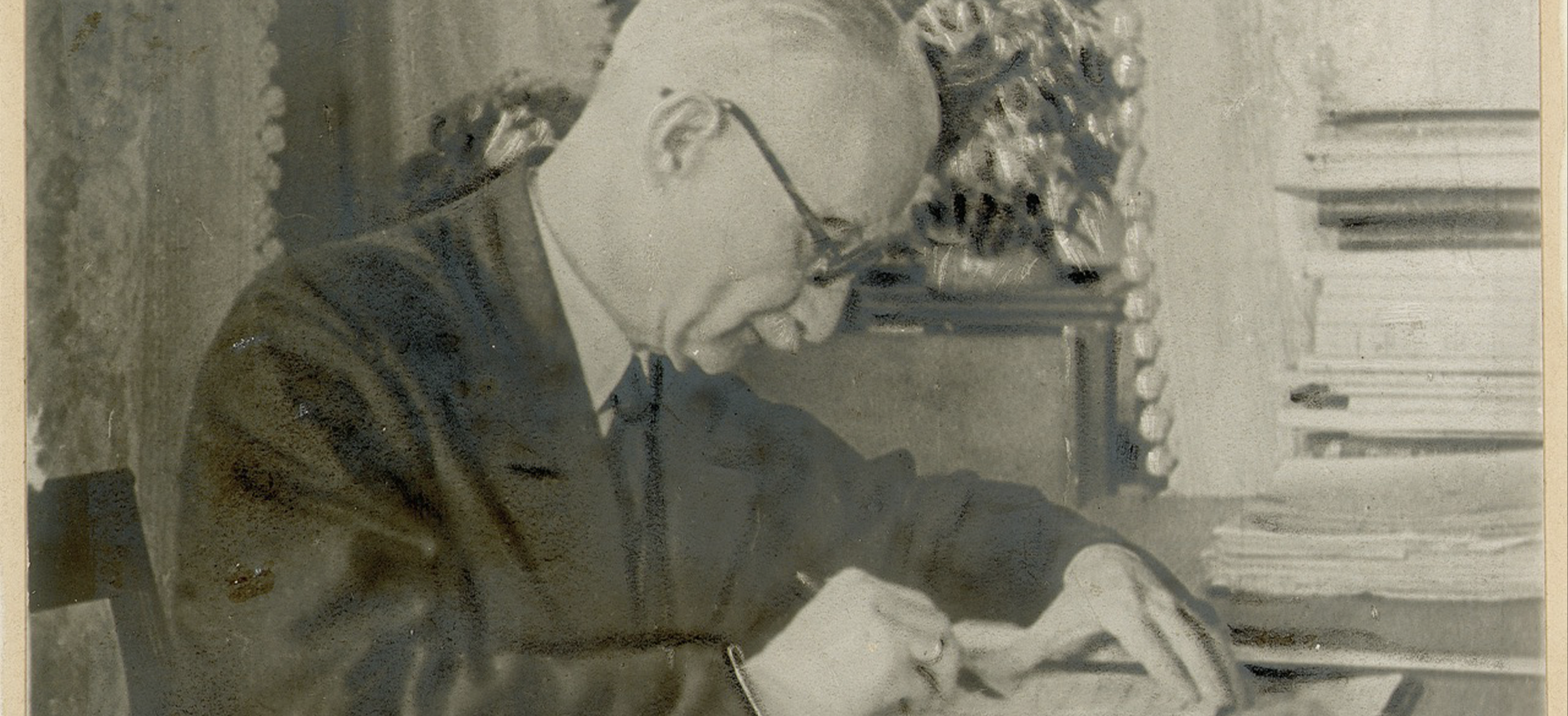
IVANE JAVAKHISHVILI

The role of the distinguished historian and public figure Ivane Javakhishvili in the development of almost all fields of the humanities is especially remarkable. His work marked the beginning of a new era in Georgia—not only in the development of historical studies, but also in many related fields.

06/09/2024

MISSIONARIES AND ASCETICS IN SIXTH CENTURY GEORGIA - THIRTEEN ASSYRIAN FATHERS

The men were both ascetics and missionaries, whose mission was to preach Christianity, and the foundation of monasteries became part of this mission. It is hard to know to which theological doctrine these ascetics adhered, and there is a great variety of scholarly opinion regarding this fact, seeing some declaring them Chalcedonians, others anti-Chalcedonians, while part of the academic community believes them to have been Nestorians.

11/07/2024

THE UNIFICATION OF MEDIEVAL GEORGIA

At the end of the tenth century, the Georgian kingdoms and principalities entered a decisive battle for the unification of all the Georgian lands. The Kingdom of Apkhazeti (western Georgia), Tao-Klarjeti (southern Georgia), and Kartli, dominated by various great houses and the Kingdom of Kakhet-Hereti, struggled for dominance and supremacy in the Caucasus. In the early 10th century, the leading political role was assumed by Apkhazeti, yet, soon, the southern Georgian kingdom of Tao-Klarjeti was to re-emerge as a significant force in Caucasian politics.

31/05/2024

THE DISAPPEARANCE OF PIROSMANI

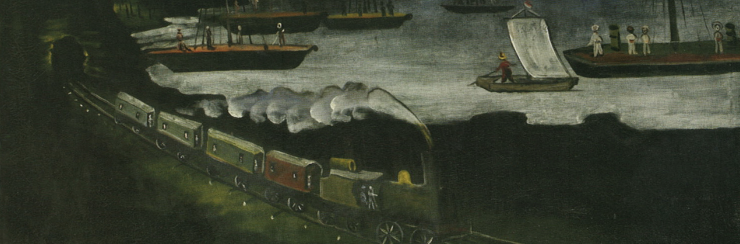
Devastated by the aftermath of World War I, the future renowned Georgian artist Lado Gudiashvili seeks out Niko Pirosmani in order to help him procure financial support from Tbilisi’s Union of Artists. He finds Niko, but it is of little use.

10/05/2024

THE RISE OF MEDIEVAL GEORGIAN MONASTICISM - ST. GREGORY OF KHANDZTA

In 813, the Presiding Prince Ashot I Curopolate fled the Arab oppression in Tbilisi and went to the southern Georgian province of Klarjeti. There, he established the new principality of Tao-Klarjeti. This principality played a crucial role in the history of Georgia during the ninth and tenth centuries, although Prince Ashot was not the first to set up home there. Before Ashot, men and women who sought seclusion for a ‘holy life’ had traveled to Klarjeti; monks and nuns led by medieval Georgian monastic leader Gregory of Khandzta (759–861). The intensive monastic colonization of these lands was one of the strongest factors that contributed to the rise of the Principality/Kingdom of Tao-Klarjeti.

11/04/2024

ILIA CHAVCHAVADZE

Ilia Chavchavadze was born in 1837. At that time, Georgia had already ceased to exist as a political entity, not with even a minimal degree of sovereignty. By the manifesto of 1801 of Alexander I, the Kingdom of Kartli -Kakheti officially joined the Russian Empire. Soon, the Kingdom of Imereti fell to the same fate.

09/03/2024

KING VAKHTANG I GORGASALI

King Vakhtang I Gorgasali (ca. 442–502) was arguably the greatest Georgian king of late antiquity. From the early Middle Ages onwards, he became one of the main protagonists of Georgian folklore - a great king whose power could shake even the icy peaks of the Caucasus; a fierce fighter with superhuman strength and bravery. Unfortunately for scholars, most medieval accounts about King Vakhtang are predominantly legendary. However, that does not mean he did not exist and was invented later, nor is he as legendary as, say, King Arthur. Indeed, most scholars agree that King Vakhtang was a historical figure who ruled the Kingdom of Iberia in the late fifth century.

21/09/2023

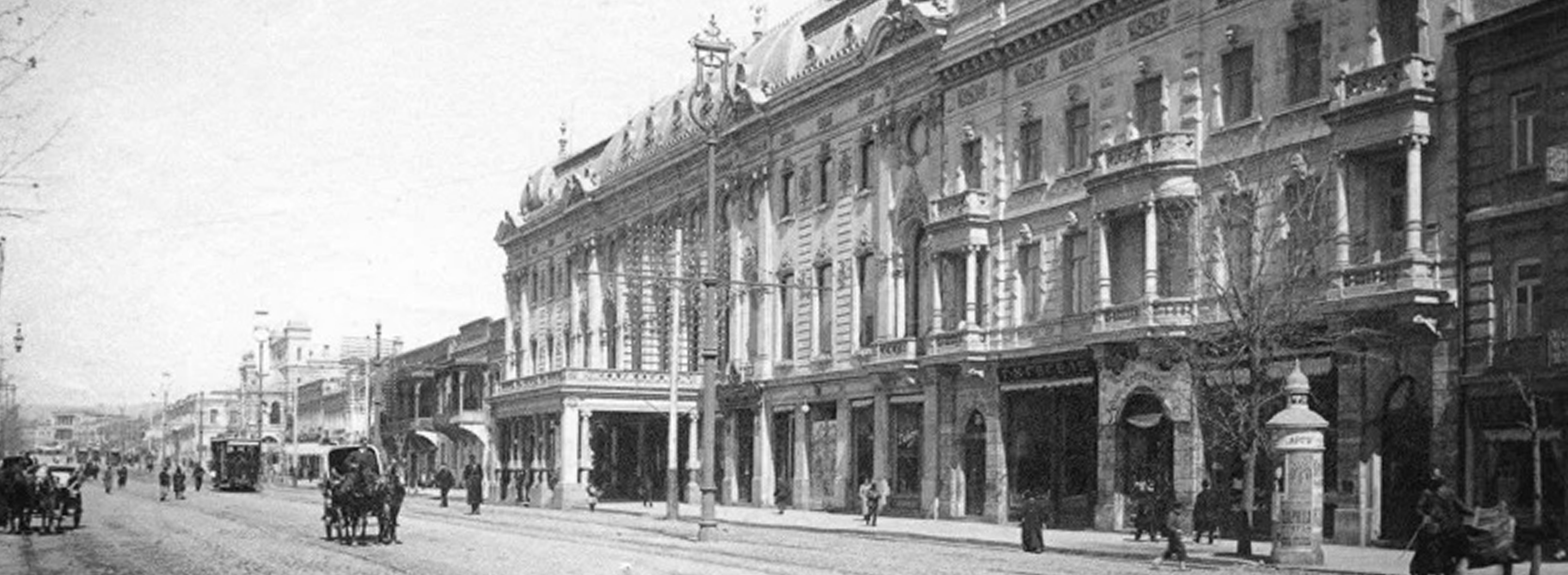
TBILISI - "FANTASTIC CITY"

Cultural Life of the 1910-20s in Tbilisi

11/04/2023

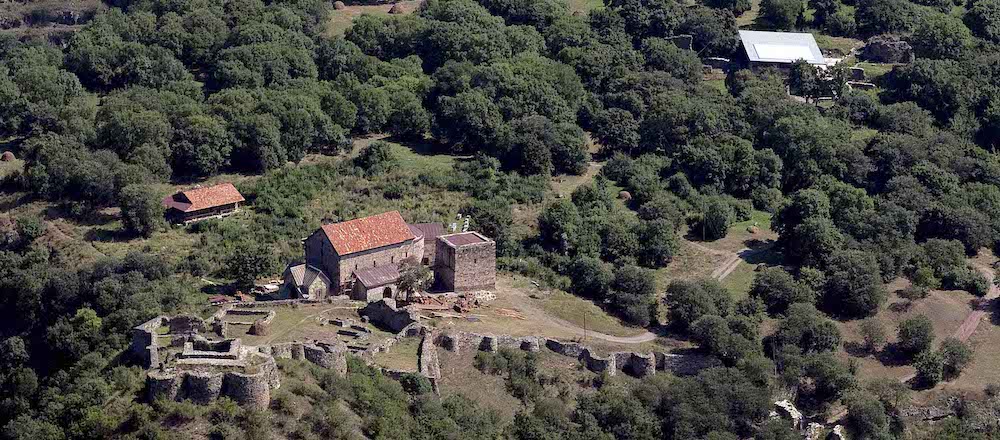
DMANISI

The village of Dmanisi lies some 85 kilometers south-west of the Georgian capital, Tbilisi. In the Middle Ages, Dmanisi was one of the most prominent cities and an important stop on the Silk Road. The area has therefore long intrigued archaeologists, who have been excavating the crumbling ruins of a medieval citadel there since the 1930s.

29/12/2022

THE ADVENTURE OF EKVTIME TAKAISHVILI AND THE NATIONAL TREASURE

Ivane Javakhishvili, the rector of Tbilisi University, had stated his viewpoint about such an evasive measure in mid-February, and Ekvtime Takaishvili, his friend and the university’s founder, echoed it: "If the treasure is not hidden, the Bolsheviks will steal everything; we know very well what they did to Georgian churches."

01/12/2022

TAO-KLARJETI: HISTORY AND HERITAGE (GENERAL OVERVIEW)

Tao-Klarjeti is a general name that was coined in the academic language of the 19th century to define the medieval Georgian heritage, movable and immovable, related to the “Georgian Kingdom” or the “Kingdom of Kartvelians”. Their Kingdom included the provinces of Erusheti, Artaani, Samtskhe, Shavsheti, Tao, Kola, and Klarjeti, which mainly comprised the basin of the River Chorokhi (Çoruh) and the headwaters of the River Mtkvari (Kura). Today it corresponds to the provinces of Erzurum, Artvin, Ardahan, and partially Kars in north-eastern Turkiye.

09/07/2022

KING DAVID IV THE RESTORER

Since George was unable to solve the major problems that Georgia was facing, he abdicated and placed the crown on the head of his sixteen-year-old son, David. This young man represented new hope for the Georgian Kingdom. The once glorious kingdom was now completely helpless, and lay in ruins.

31/05/2022

EQUAL TO THE APOSTLES AND THE ENLIGHTENER OF GEORGIA

This is the fascinating and miraculous story about the conversion of the Iberian (eastern Georgian) Kingdom to Christianity at the beginning of the fourth century.

04/04/2022

THE GOLDEN KINGDOM OF COLCHIS

Colchis was the first definitive political formation created by the ancestors of modern Georgians. It emerged in the lands of western Georgia (while another ancient Georgian kingdom, that of Iberia, was established in eastern Georgia).