The only country in the world where 8,000-year-old winemaking techniques have not only survived but, in many respects, continue to be best practiced, is Georgia.
- Andrew Jefford, 2013
Wine in Georgia is more than a drink; it is a blend of history, tradition, and memory; a divine nectar that man has been crafting with reverence since ancient times, decorating it with rituals, imbuing it with religious significance, caring for it like a child, and serving it like a master.
Many countries around the world claim to be the originators of wine. It is difficult to compete with ancient Greece, where wine was thought to be a healthier drink than water, or Italy and France, where wine has evolved its own history, character, taste, and mythology throughout the centuries. However, one story in particular highlights Georgia's historical significance.
In 2013, Italian archaeologists decided to replicate the ancient process of producing Roman red wine. They cultivated ancient grape varieties in Sicily, manufactured traditional vessels, and picked and pressed grapes according to historical sources, producing old Roman red wine under the name "experimental archaeology."
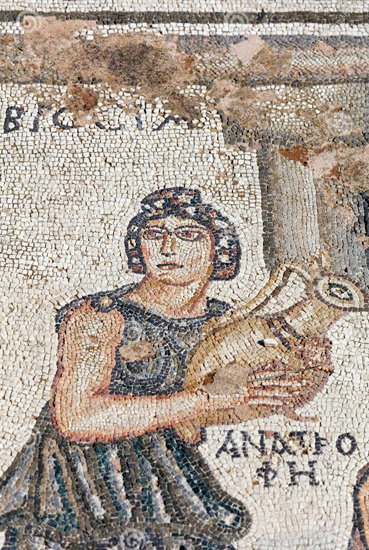
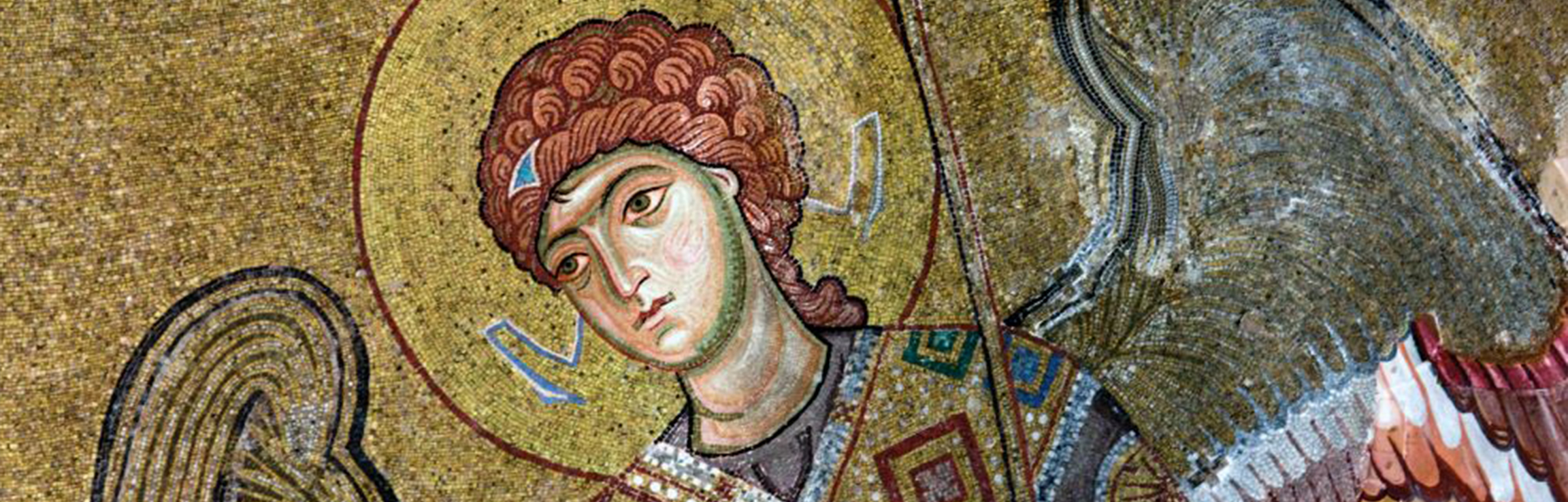
Roman winemaker—ancient mosaic
The inspiration for this experiment was the UNESCO-recognized nomination "Traditional Georgian Method of Qvevri Winemaking" as Intangible Cultural Heritage.
***
What is regarded as a flaw in our wine is actually its strength. And if our wine ever reaches the world market, it will be because of this virtue.
Ilia Chavchavadze 1887
Making wine in qvevri is an ongoing Georgian tradition. For centuries, Georgians have been making their wine in family wine cellars in ancestral qvevri. They proudly offer it to their neighbors, friends, relatives and guests to taste - each confident that the wine from their vineyards is the best. This liquid, created in harmony with the sun and wind, is the companion of the Georgian soul: existence, life, birth, and death. It can be said that wine developed its own individuality in this area, preserved the Georgian heritage, and continues to carry our name around the world today.
This is how its story began:
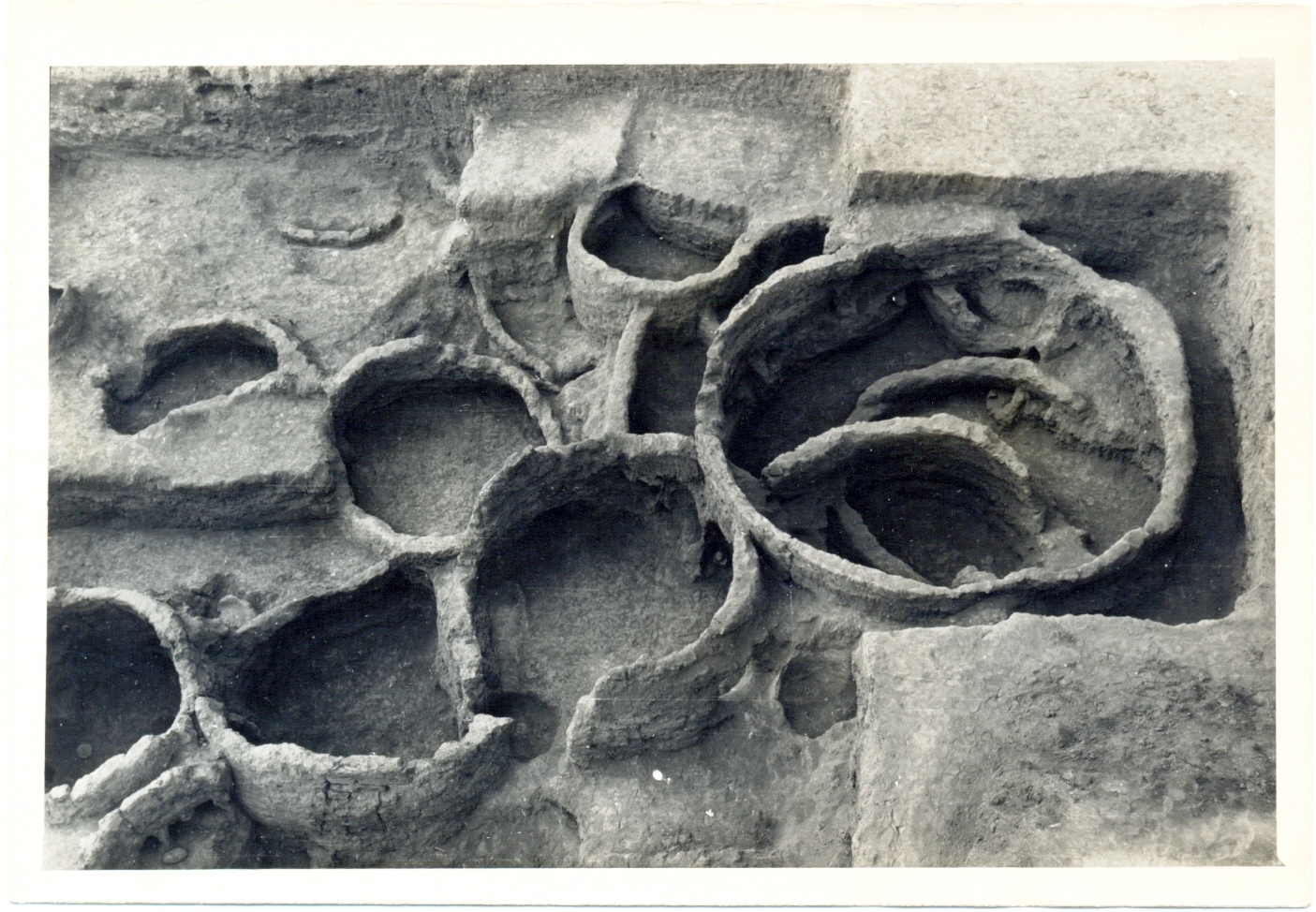
Shulaveri archaeological excavations
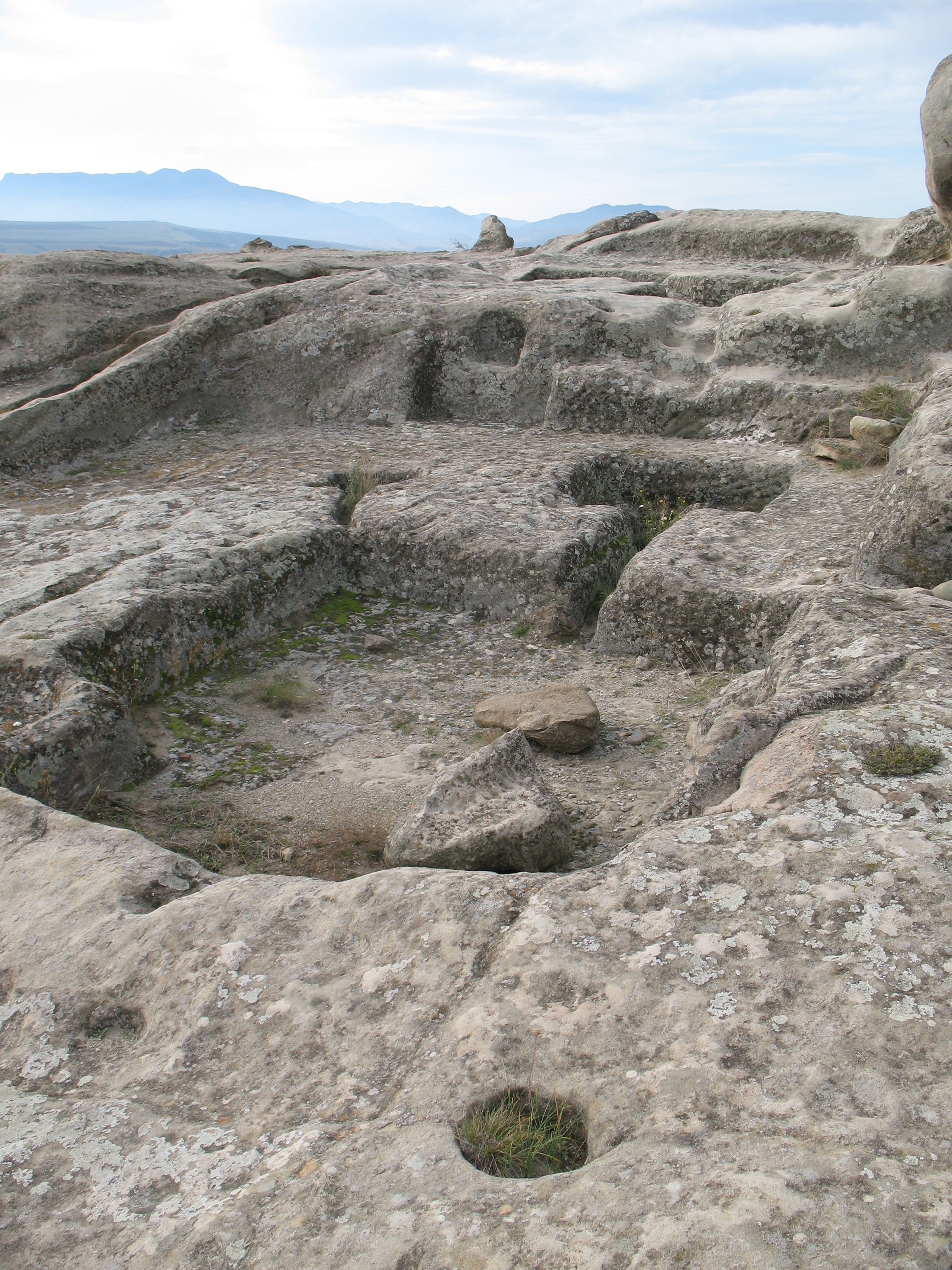
Uplistsikhe, 1st millennium BC, stone winepress
In 1965, an expedition from the Simon Janashia History Museum and Tbilisi University discovered remains of old clay vessels with grape seeds embedded in them in the Shulaveri area (Kvemo Kartli). Laboratory studies proved that they are among the world's earliest domesticated and cultivated grapes, dating back to 5000-7000 BC.
Later, remnants discovered in Anaklia indicated that vine culture had spread from eastern Georgia to the west as early as the Neolithic age. Numerous artifacts demonstrate this, including a wide range of wine vessels, wild and indigenous cultivated grape types, evidence of the customs of pressing, storing, and serving wine, wine's unique role in religious and secular ceremonies, and much more.
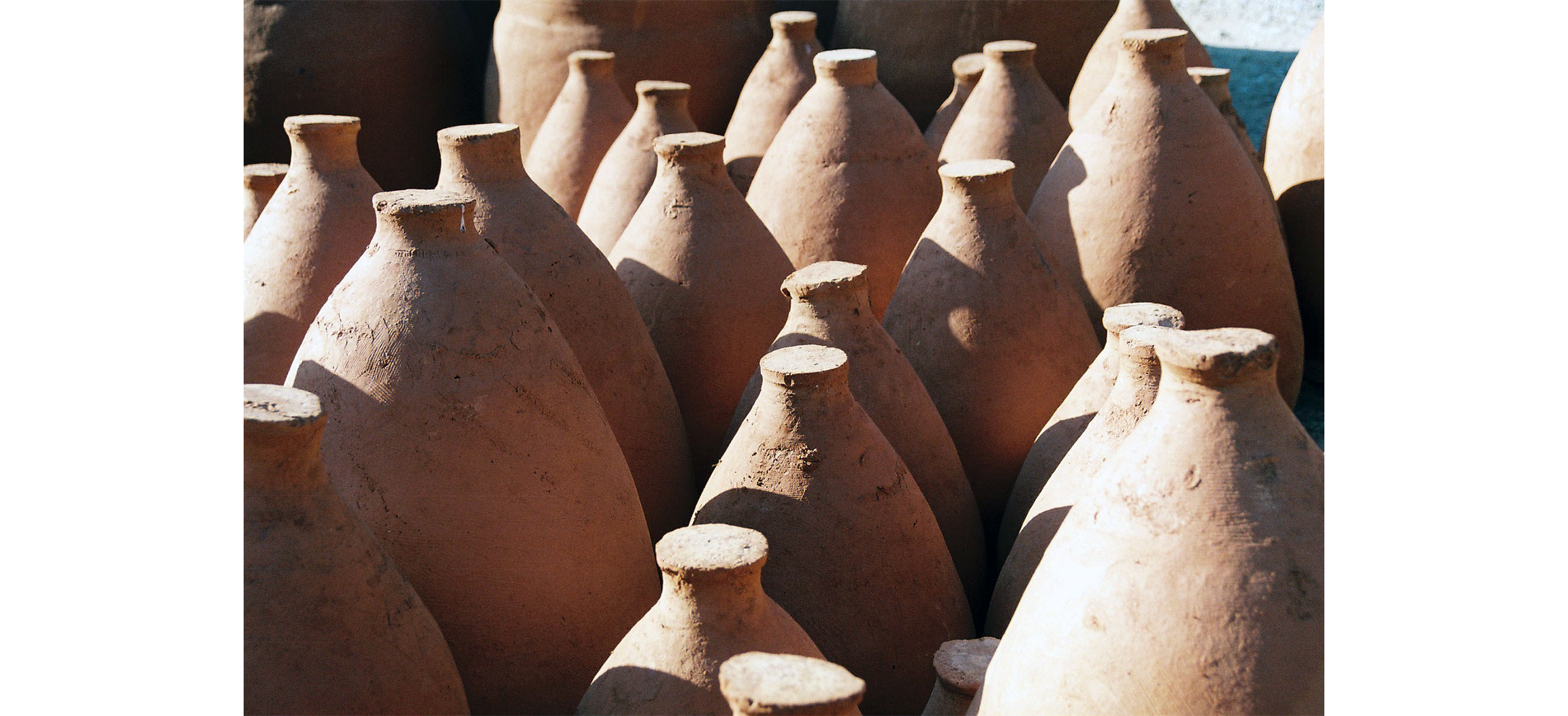
The oldest known clay wine vessel was discovered on the Khrami Didi Gora in Shulaveri (6th-5th millennia BC), although its egg-shaped form dates back to the 3rd-2nd millennia BC.

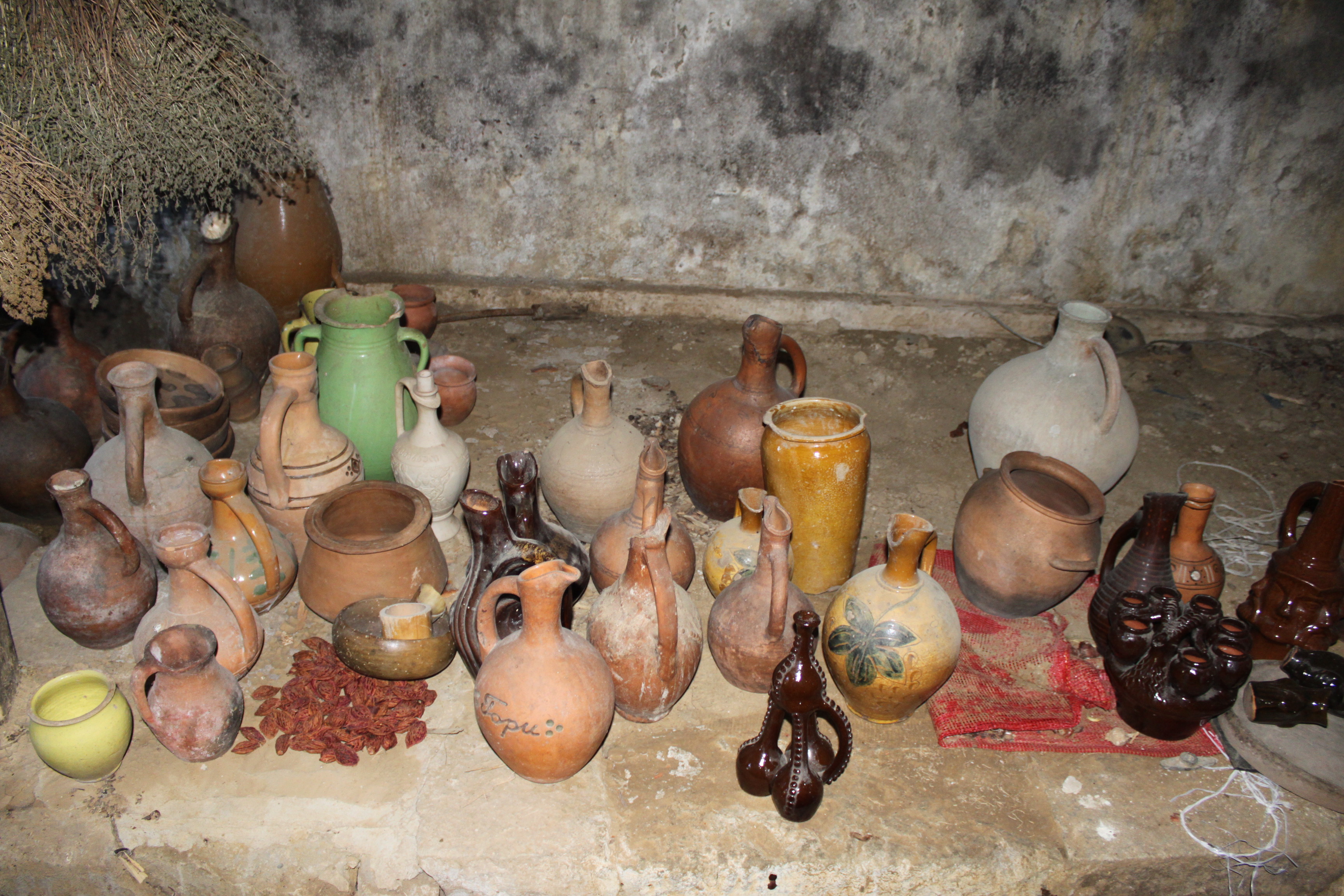
Wine vessels. Z. Tsertsvadze
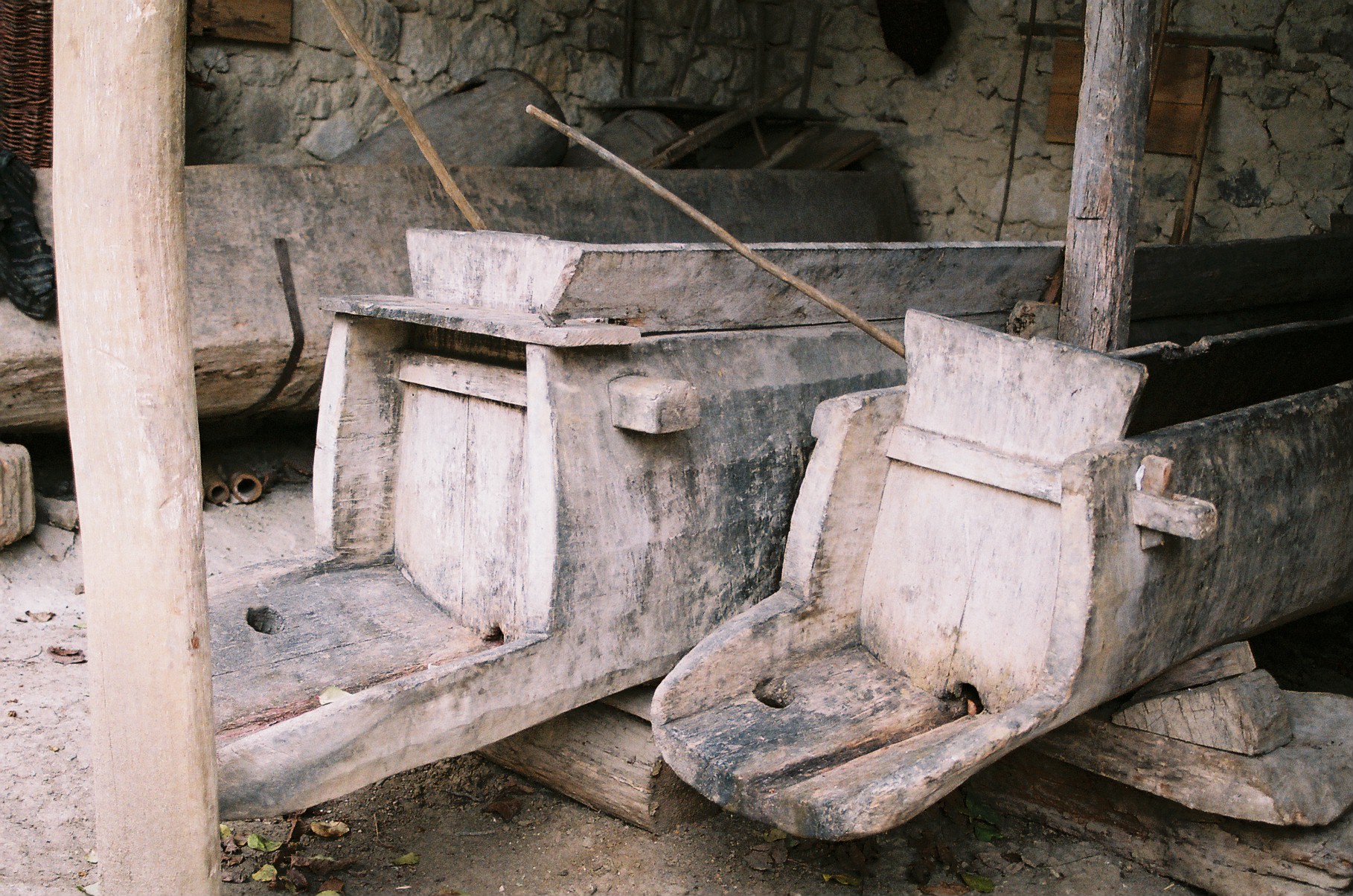
Old wine press. G. Barisashvili

Wine jugs. G. Barisashvili
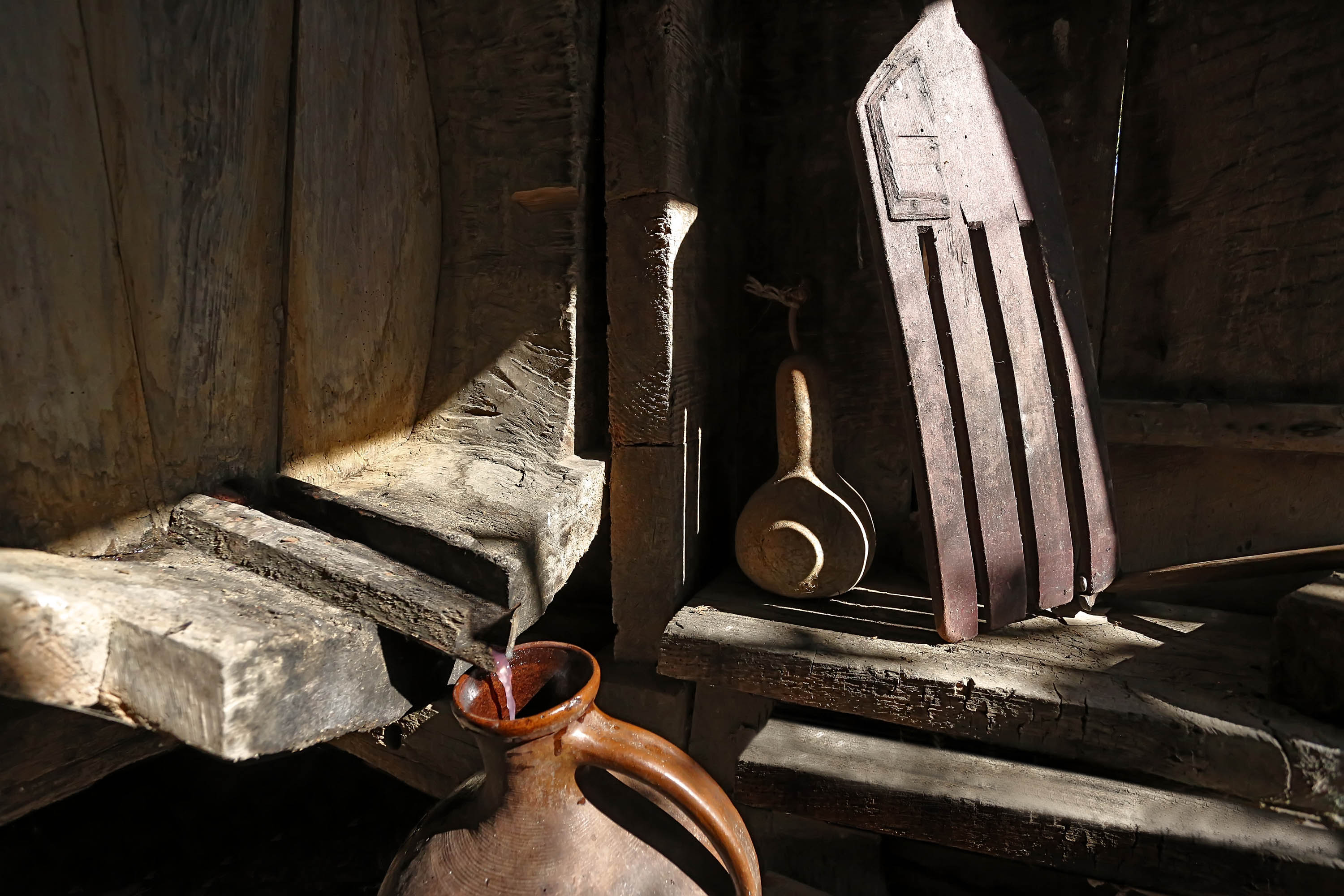
Sweet grape juice from the wine press. G. Barisashvili

The way to world recognition
The continuing tradition of winemaking in qvevri has been passed down through generations, and is still practiced today. That is why it was decided to include it on the UNESCO Representative List of the Intangible Cultural Heritage of Humanity.
The preparation of the nomination was a complex and versatile process. From 2010 onward, state agencies, non-governmental organizations, scientists, entrepreneurs, winemakers, potters, and owners of family wineries were involved in it. The Georgian National Museum, the National Wine Agency, the Farmers' Association, and several other winemakers' and potters' associations quickly responded to the proposal. A working group was established with the National Agency for Cultural Heritage Protection, the goal of which was to show the world not only Georgia’s unique winemaking technology, but also the living culture of the unified
winemaking process.
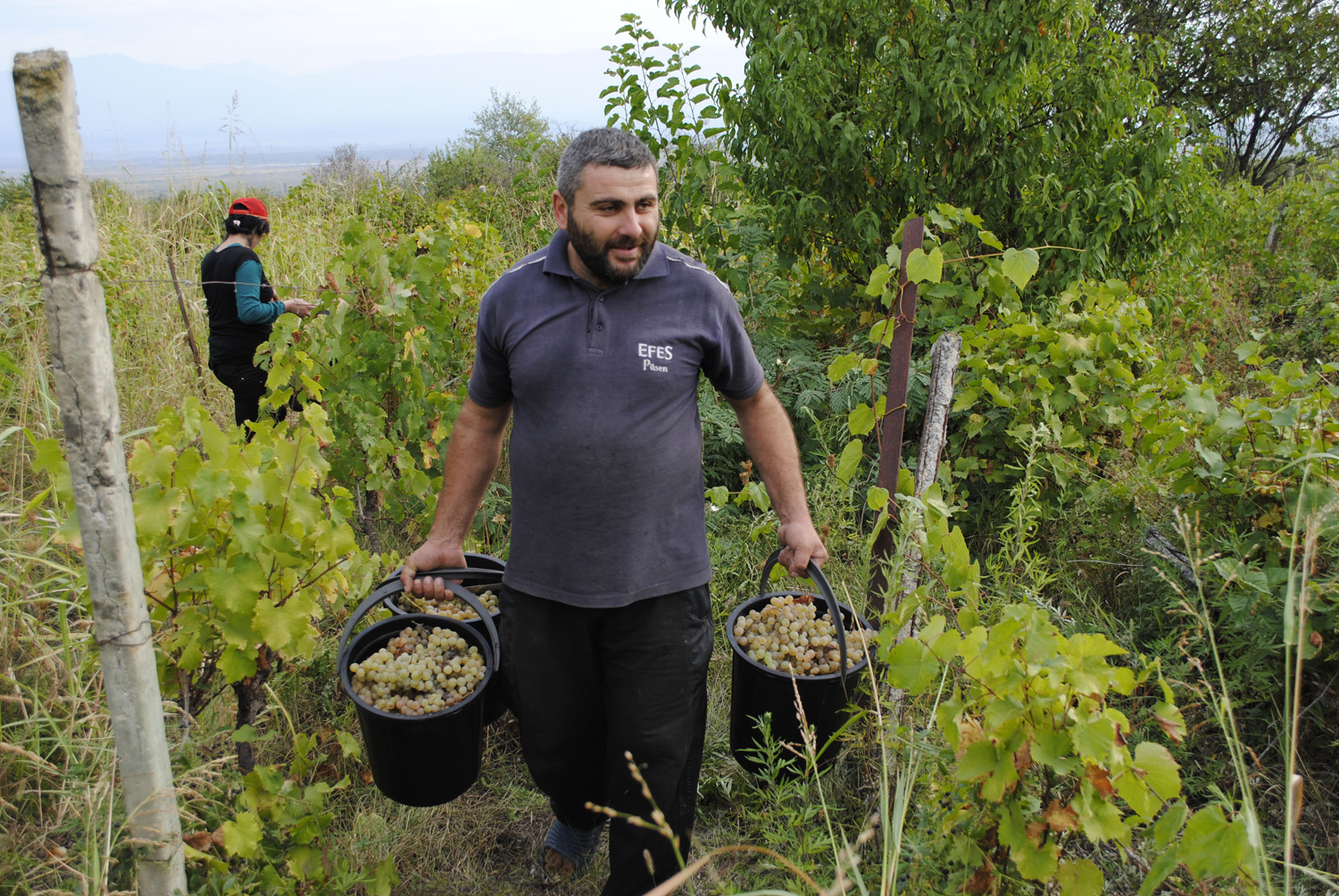
Harvest. Z. Tsertsvadze G. Barisashvili

In 2012, a comprehensive dossier was submitted to UNESCO experts for review, encompassing the technological, cultural, historical, and social aspects of qvevri wine. It was accompanied by photo material and a 10-minute documentary film directed by Merab Kokochashvili. The film effectively highlighted the tradition's contemporary relevance and social value. Letters from local winemakers, qvevri manufacturers, and other community representatives were included in the dossier, proving that qvevri winemaking is more than a method; it is a living cultural activity and a part of Georgians’ daily lives.
The document was discussed in Baku at the eighth session of the UNESCO Intergovernmental Committee for the Safeguarding of Intangible Cultural Heritage.
On December 4, 2013, the Committee unanimously agreed that the "Traditional Georgian Method of Qvevri Winemaking" should be listed as an Intangible Cultural Heritage.
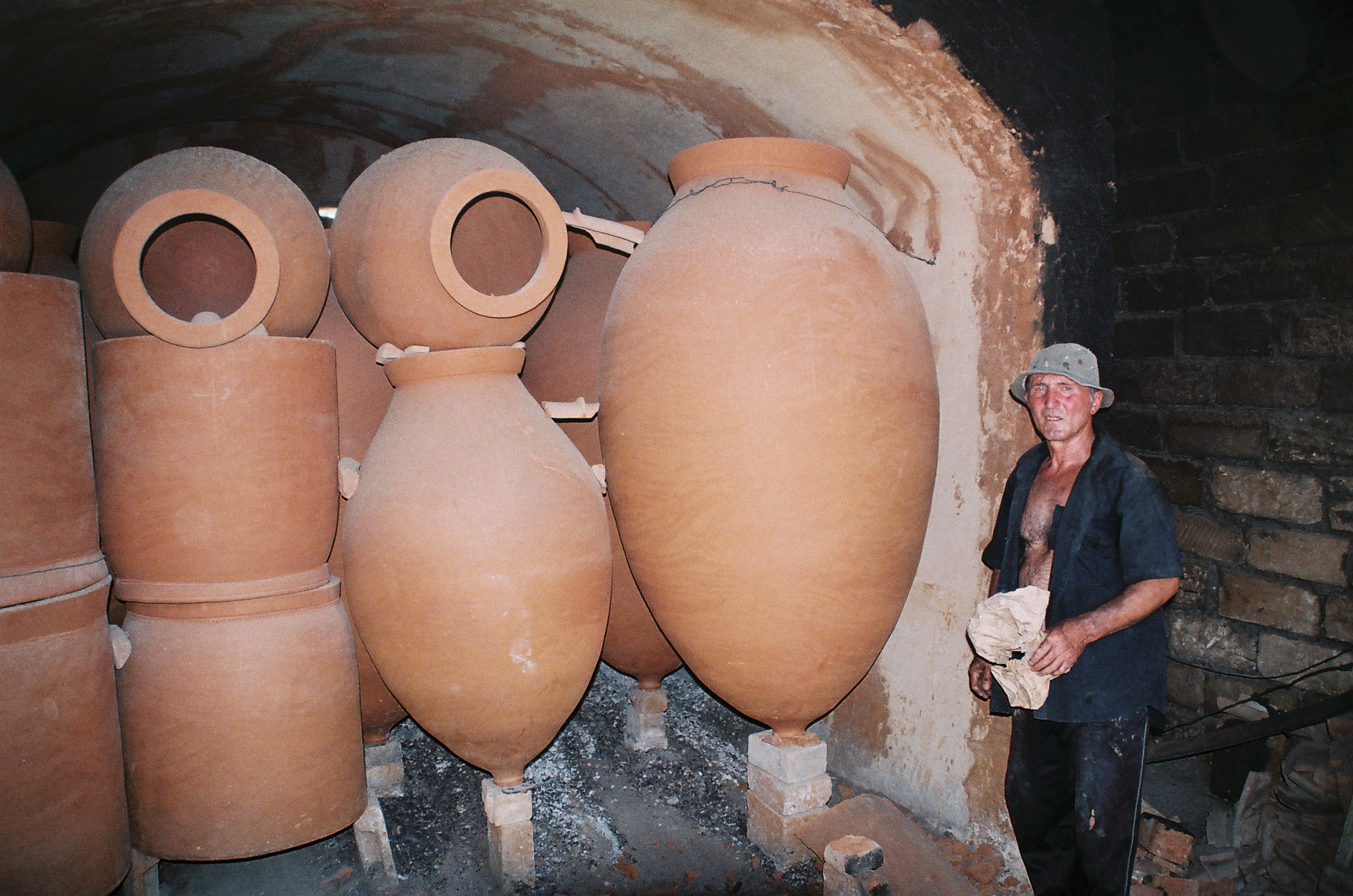
Baking of qvevri. G. Barisashvili
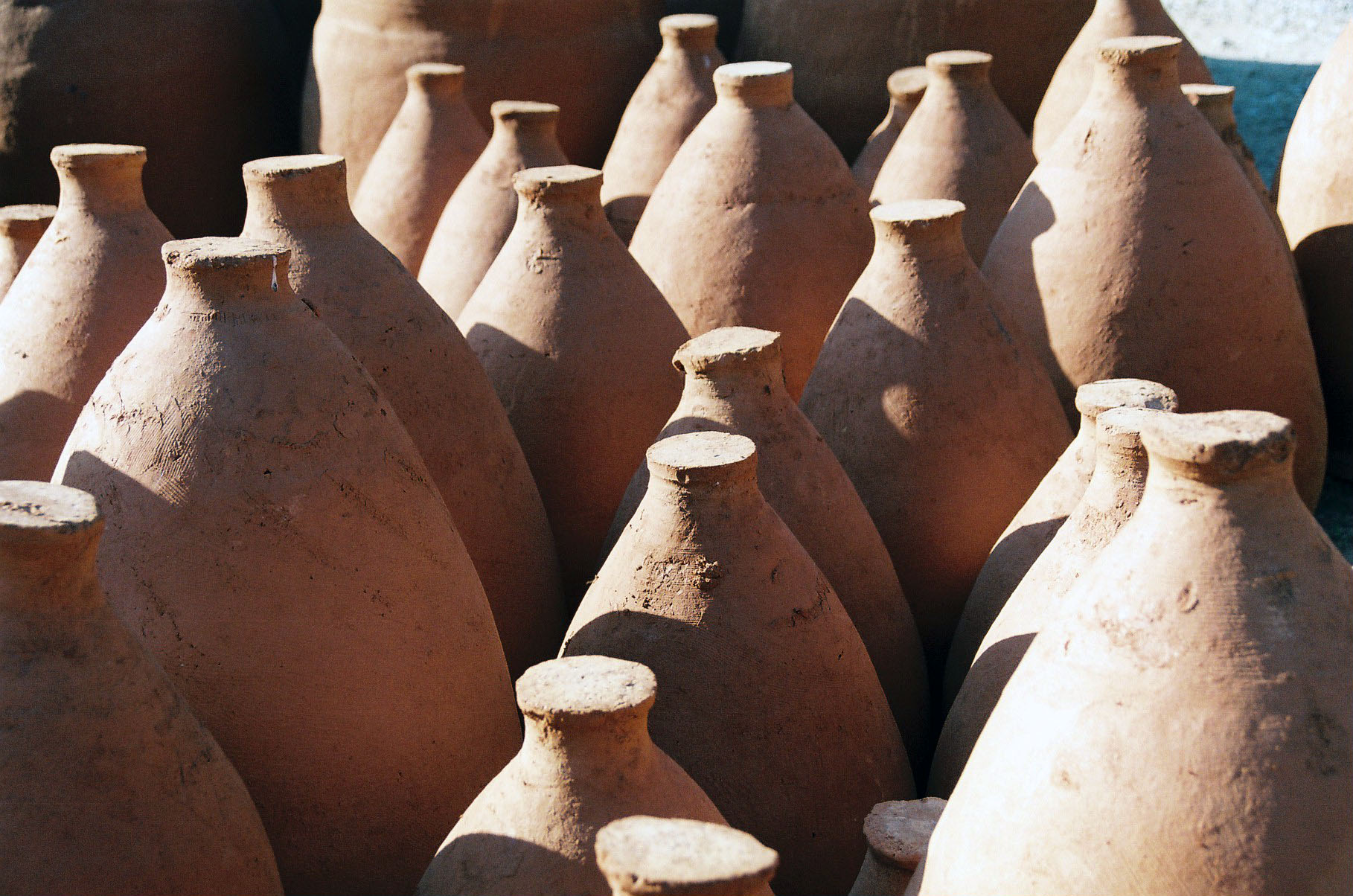
G. Barisashvili
UNESCO’s recognition has led to a plethora of outcomes for Georgia and qvevri winemakers:
- Qvevri wine is now known all over the world;
- Qvevri, as a vessel, was given Protected Geographical Indication (PGI) status;
- The marketing and economic potential of Georgian wine has grown exponentially;
- From its origins as a family business, qvevri wine has now become a modern, stylistically unique, and well-known brand;
- Wine cellars and qvevri winemaking are now tourist attractions, with themed tours, tastings, and wine installations built around them;
- A sharp increase in wine tourism can be seen, especially in Georgia’s top wine regions Kakheti and Imereti;
- Economic benefits for family wineries, wine-makers, and small entrepreneurs have increased;
- Interest in local, long-forgotten grape varieties has bloomed, with many being rediscovered and restored;
- 527 kinds of grape are currently being cultivated on Georgian land;
- Interest in the ancient profession of qvevri making has risen, and, today, qvevri makers from Kakheti, Imereti, and Kartli are still competing with each other to make the best quality qvevri.
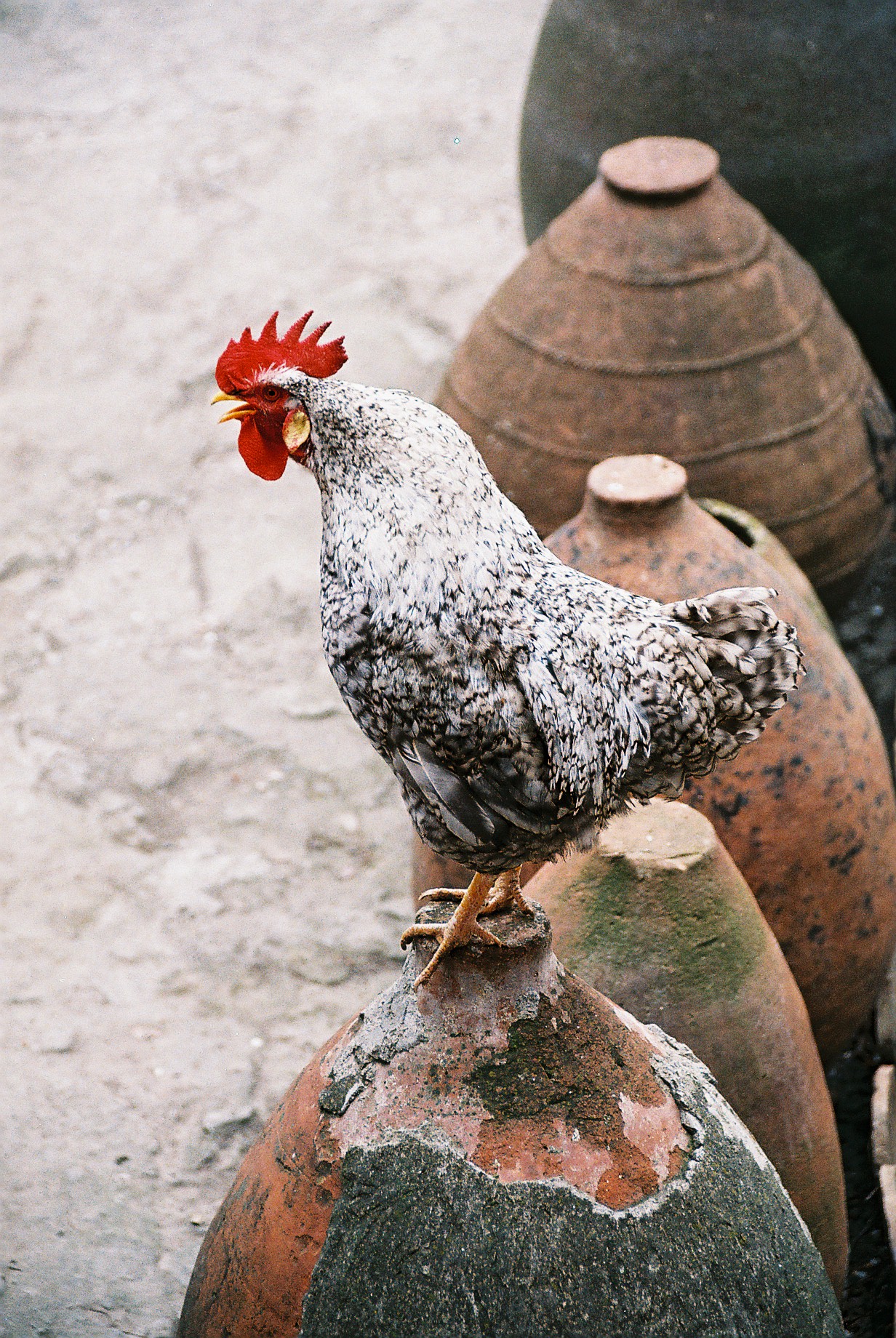
Morning in the village
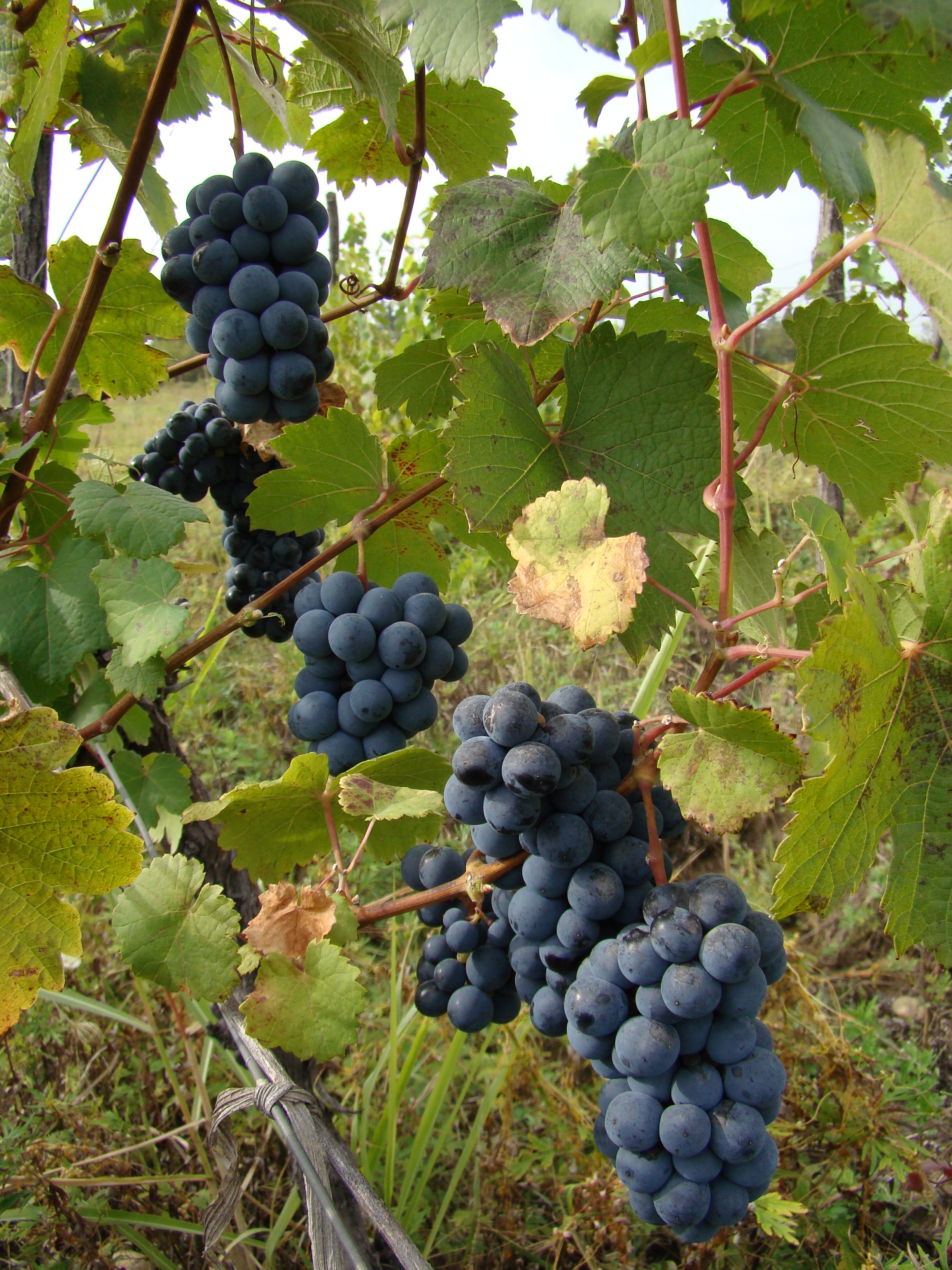
Wild grapes
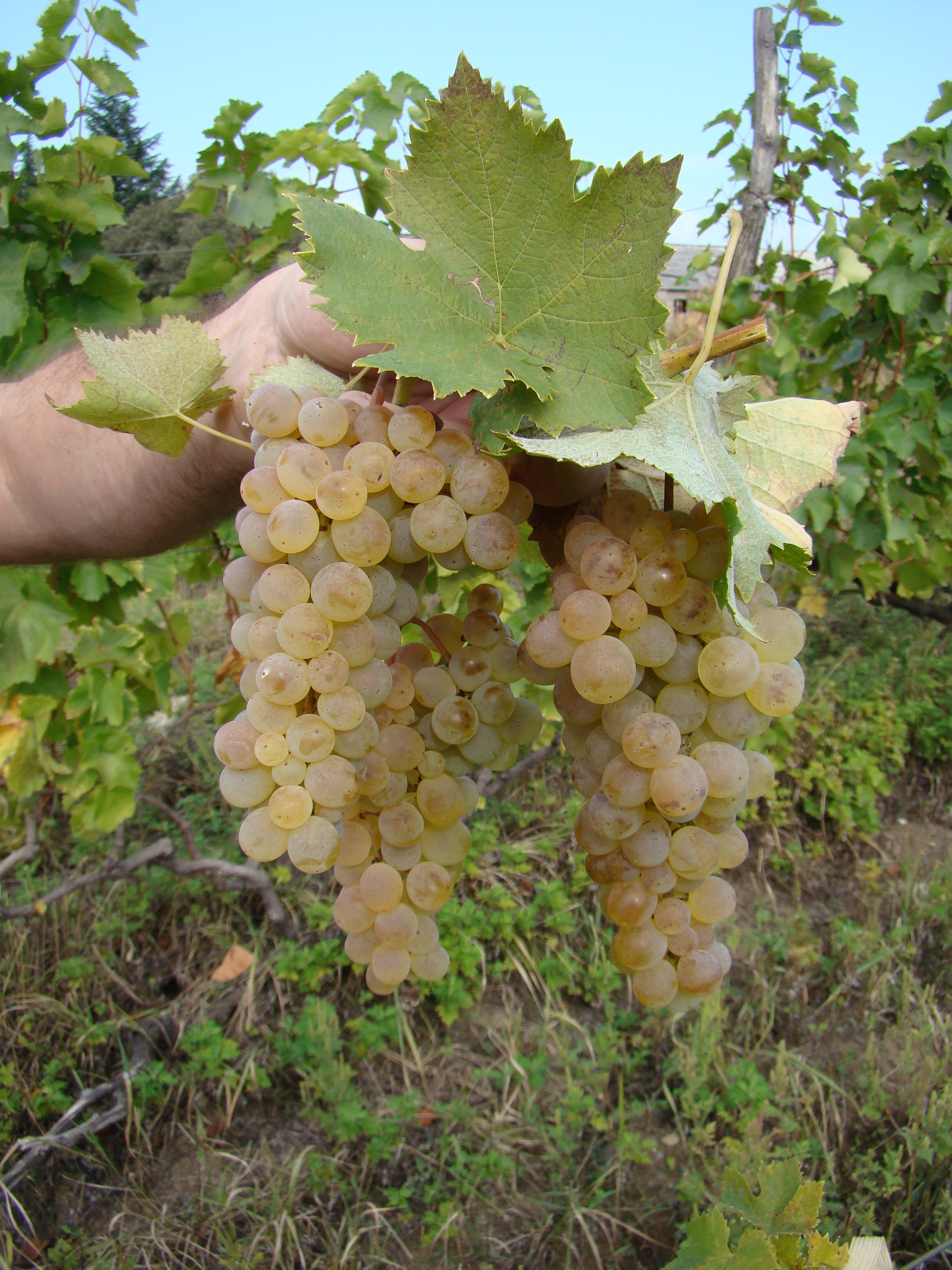
The Khopaturi grape variety (G. Barisashvili)
When UNESCO recognized the traditional way of making qvevri wine, it was more than an award for a single product: it was international recognition of Georgian talent, the spirit of Georgian wine, and Georgian culture as a whole. That is why qvevri wine is not only an heirloom from the past; it is an art form that is alive and thriving, and it must be shared with all future generations.