





 Share this article
“The Georgian alphabet is a remarkably refined instrument for conveying the full richness of the sounds of the Georgian language: its letters express each individual sound with precision and clarity, and, in this respect, no other alphabet can rival it.”
David Allen
Beauty is often subjective. However, in culture, it signifies much more: the harmony of form, function, and historical memory. This is particularly evident in writing, a system created for both visual perception and transmission of thought. While the evaluation of an alphabet often begins with visual impression, its significance runs much deeper, encompassing linguistic structure, cultural experience, and historical context.
The history of writing, which dates back to approximately the second millennium BC, depicts the diversity of human experience: some systems were easily forgotten, while others are today spread across many cultures. Egyptian hieroglyphs remain a complex system to decipher; Native Americans used pictographic writing until the late nineteenth century; and the Greek alphabet formed the foundation of Europe’s alphabetic culture.
The international platform matadornetwork.com identified the five most aesthetically distinctive alphabets in the world. Alongside the Burmese, Sinhala (Sri Lanka), Tagalog (Philippines), and Javanese (Indonesia) scripts, the Georgian alphabet ranks third—a fact that points not only to its visual perception, but also to its unique graphic peculiarity.
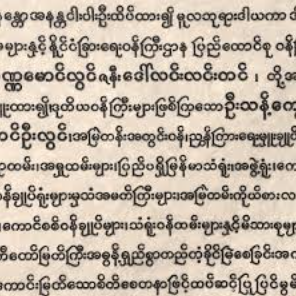
Burmese script
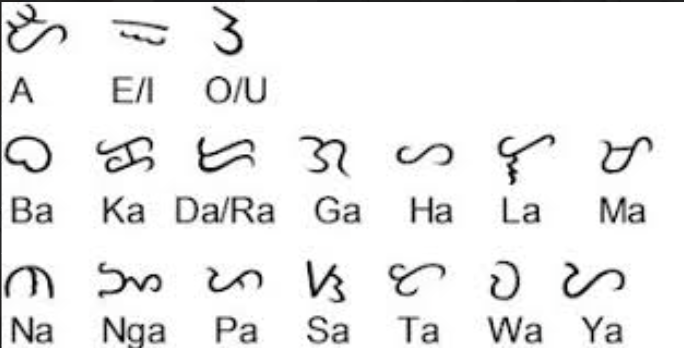
Tagalog script
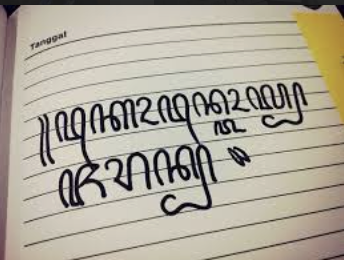
Javanese script
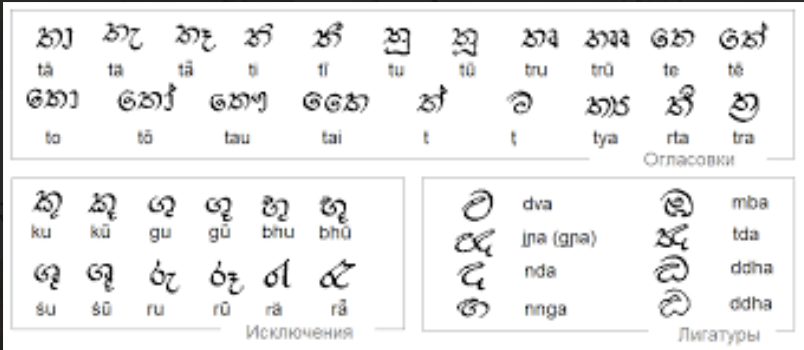
Sinhala script
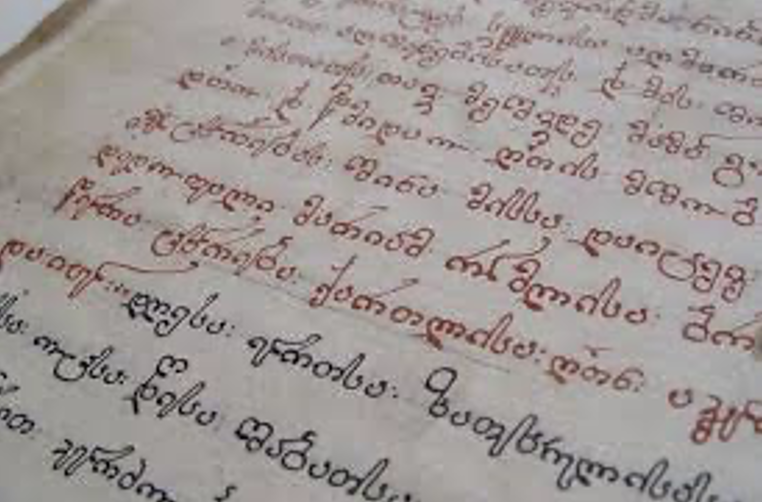
Georgian script
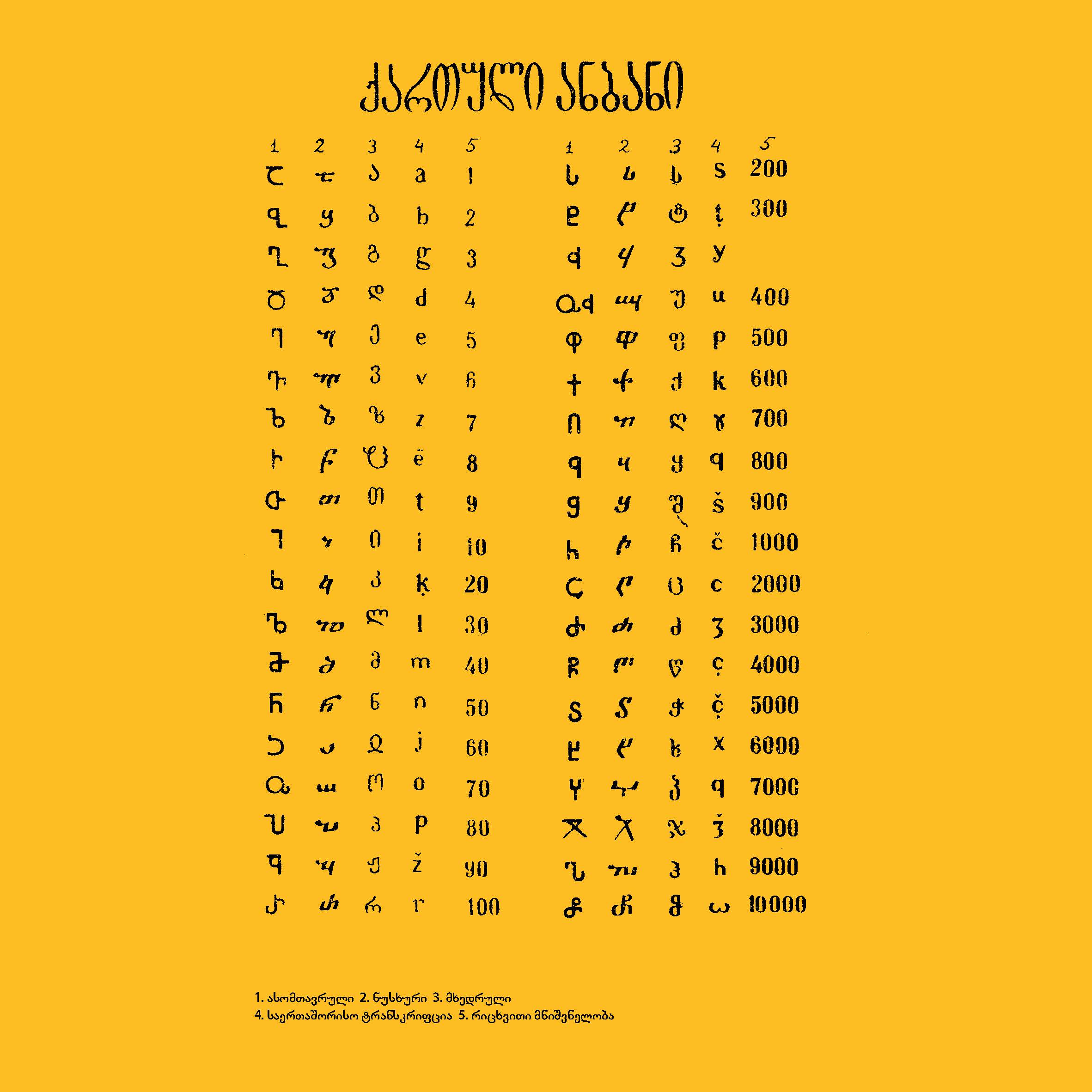
The uniqueness of the Georgian alphabet lies not only in its perfection: over the centuries, it has coexisted and evolved in three distinct forms—Asomtavruli, Nuskhuri, and Mkhedruli. This is a rare phenomenon in the history of writing globally.
The three scripts of the Georgian alphabet reflect not only changes in written form, but also their development throughout different historical periods, functions, and cultural contexts, as well as distinct graphic styles and modes of cultural expression. Therefore, it is not a one-time creation, but a living cultural organism; one whose beauty begins with an initial visual impression and deepens through the discovery of meaning, content, and historical depth.
“Our writing system was formed in the same way as our nation—slowly, steadily, and in its own way.”
Akaki Tsereteli
History
The exact date of the creation of Georgian writing remains a subject of debate among scholars. No definitive sources exist, although a range of hypotheses have been proposed. The 11th-century Georgian historian Leonti Mroveli attributed the Georgian alphabet’s creation to Parnavaz I (3rd century BC); Ivane Javakhishvili believed that the origins of the Georgian alphabet predate the Christian era; while, drawing on a graphic analysis of Asomtavruli letters, Ramaz Pataridze partially supported the latter view and suggested that the script was developed by Georgian priests on the basis of the Phoenician system in the late 5th century BC.
Until the 1950s, the earliest known Georgian inscription was considered to be that of the Bolnisi Sioni Cathedral (493–494). Subsequently, two Georgian inscriptions dating to the first half of the 5th century were discovered in a Georgian monastery in Palestine’s Judean Desert. Then, towards the end of the 20th century, written specimens discovered at the Nekresi historic site were attributed to the pre-Christian period. Of particular significance is the inscription discovered at Grakliani Hill, whose laboratory analysis dates it to the 11th–10th centuries BC. The recent discoveries have significantly broadened our understanding of the antiquity of Georgian writing, and of the origins of writing in general.
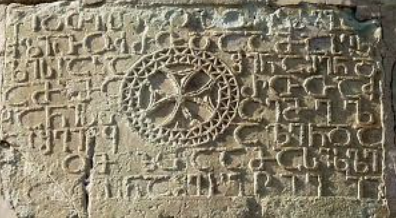
The Bolnisi Sioni inscription
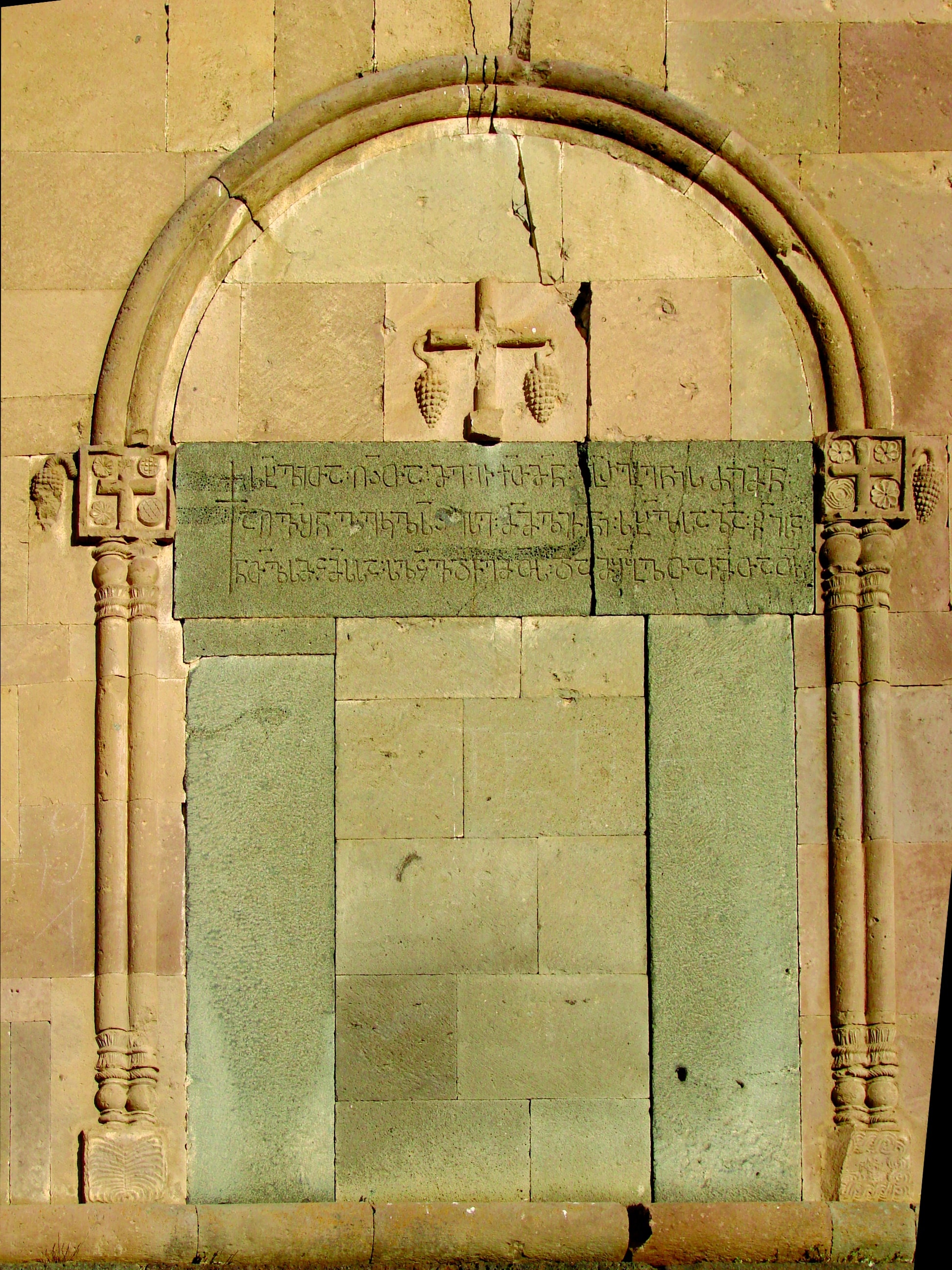
Tsunda. XII-XIII c. Hall Church
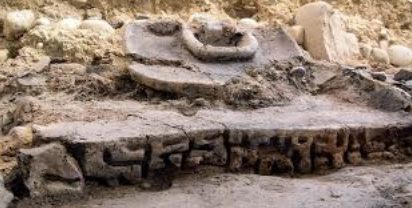
The Grakliani Hill inscription
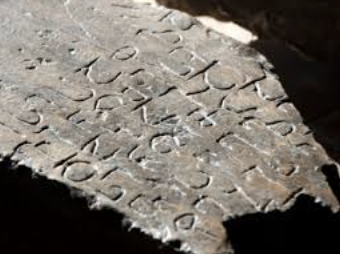
The Nekresi inscription, I-III c. AD
In December 2016, at the 11th session of the UNESCO Intergovernmental Committee for the Safeguarding of Intangible Cultural Heritage, held in Addis Ababa, The Living Culture of the Three Varieties of the Georgian Alphabet was inscribed on the Representative List of the Intangible Cultural Heritage of Humanity.
The idea of presenting the uniqueness of Georgian writing more broadly to the international community arose following the recognition of the Georgian traditional qvevri winemaking method. At that time, no element on UNESCO’s list closely corresponded in content to Georgian writing. The only relatively comparable nomination was Mongolian calligraphy (2013), which represents the ancient art of conveying human thought, knowledge and emotion on paper.
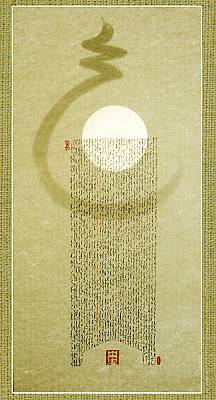
Jalair Batbayar, 2010. Mongolian calligraphy
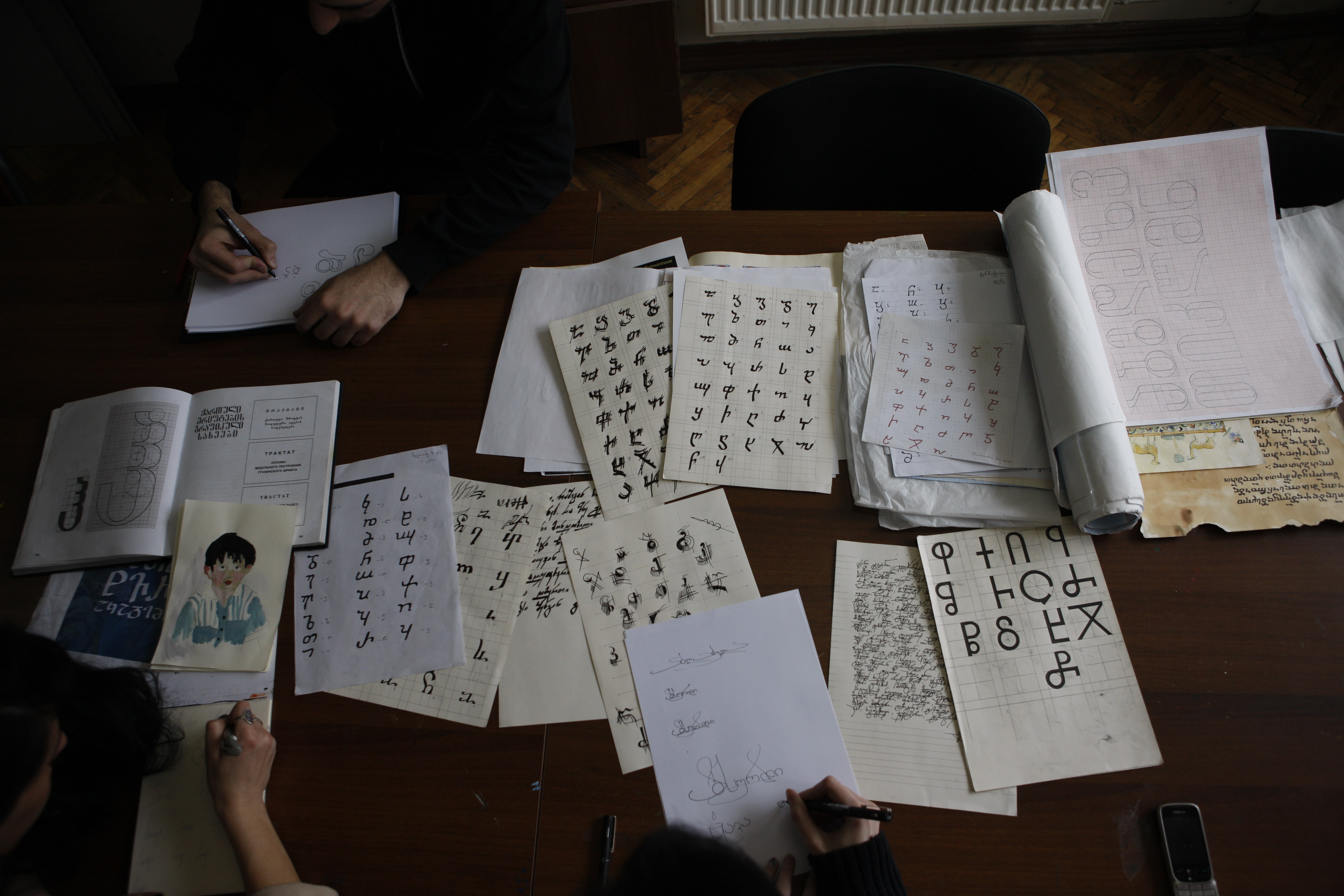
Z. Tsertsvadze, 2015. Practical training at the Academy of Arts
The aim of the nomination was to present a truly unique and unprecedented phenomenon: the centuries-long evolution of Georgian writing, and the living tradition of the coexistence of three scripts (Asomtavruli, Nuskhuri, and Mkhedruli) that had developed on its basis. This coexistence is manifested in their diverse cultural and social functions, the variety of their use, as well as in literary heritage and religious practice. It is also evident in the fields of typography, graphic and media design, and scholarly research.
Work on the nomination was carried out with the participation of linguists, historians, philologists, and literary scholars, alongside the active involvement of academic institutions, and was accompanied by extensive and often intense discussions. These debates focused primarily on the question of the origin of Georgian writing, the coexistence of the three scripts, the teaching of the older forms, and other significant issues.
UNESCO requires that the document submitted by the state clearly demonstrates: the element’s inclusion within intangible cultural heritage (in accordance with the 2003 Convention); the living nature of the tradition, that is, its continued existence and functioning in contemporary society; the presence of tradition bearers, namely those who actively practice it; and the willingness of the presenting community to make its tradition known to the wider world.
After a year of interesting yet challenging work, a draft version of the element was developed in a form acceptable to all participants. The final version was edited by Mzekala Shanidze, in collaboration with Avtandil Arabuli and Rusudan Tsurtsumia. The film accompanying the nomination captured the living tradition of the use of Asomtavruli and Nuskhuri within the Georgian Orthodox Church.
The nomination was submitted to the UNESCO Committee for consideration in 2015. Prior to this, in 2014, the methodology for teaching the Georgian alphabet, based on the primer Deda Ena (Mother Tongue) by Iakob Gogebashvili, was granted national status as an element of intangible cultural heritage. This recognition once again emphasized the educational and cultural significance of the Georgian script.

Z. Tsertsvadze. A religious service
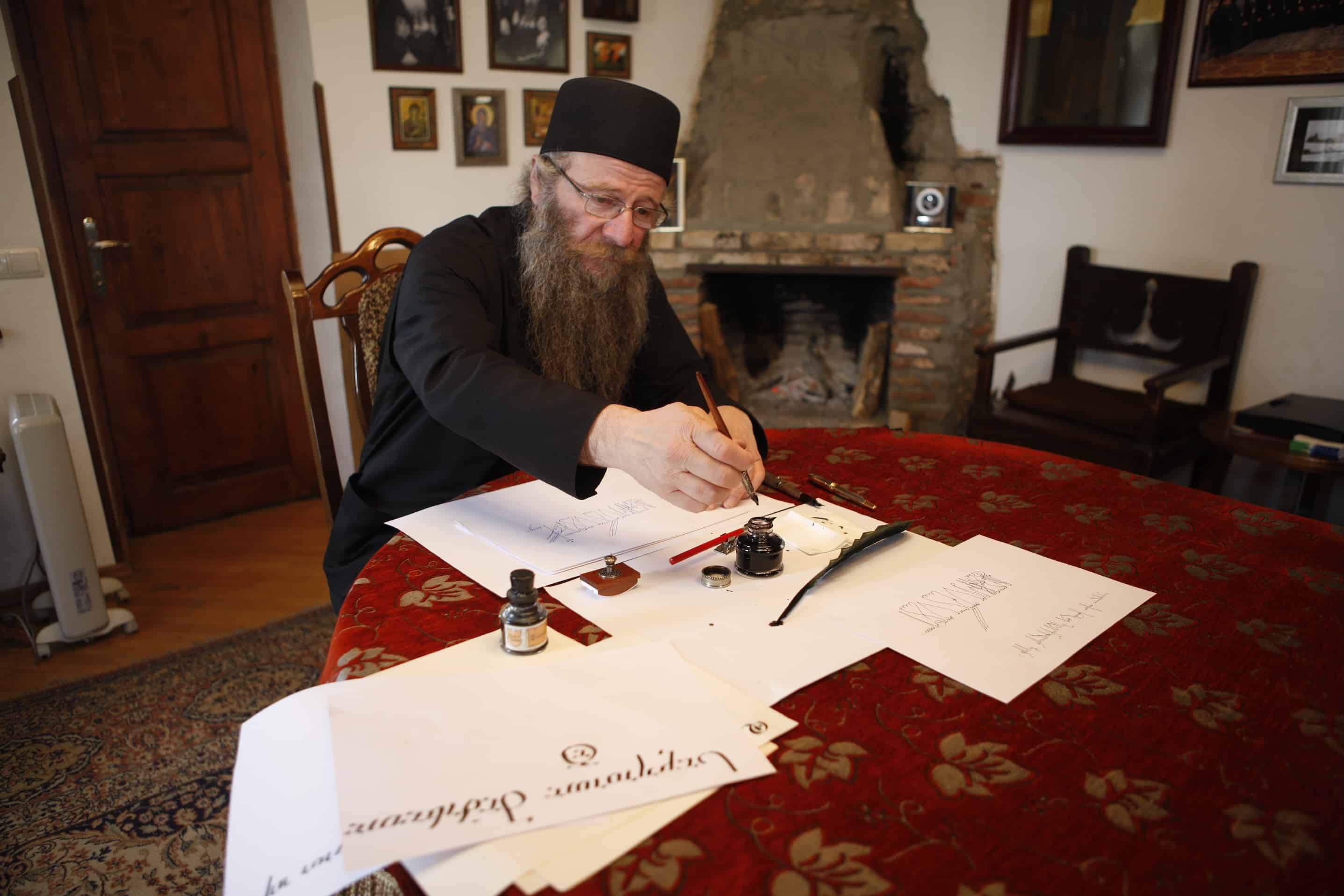
Z. Tsertsvadze. Metropolitan David
The inscription of the Living Culture of the Three Scripts of the Georgian Alphabet on the UNESCO Representative List significantly increased both international interest in and responsibility for the Georgian script. This recognition stimulated research, teaching, and popularization of the alphabet, supported tradition bearers, and further strengthened public awareness of its value. Georgian writing was thus demonstrated as not only an element of historical heritage, but as a living, evolving cultural system that continues to play an active role in forming the modern Georgian identity.
It is also noteworthy that, following the Georgian nomination, the living tradition of Armenian script and calligraphy was likewise inscribed on the UNESCO list. In subsequent years, other countries began to nominate similar elements of written culture, further underscoring the significance of the nomination of the Georgian alphabet and its pioneering role.
The recognition was marked by Georgian embassies across Europe through exhibitions dedicated to the Georgian alphabet. Particularly notable was the exhibition held in Strasbourg in 2018, which attracted considerable attention.
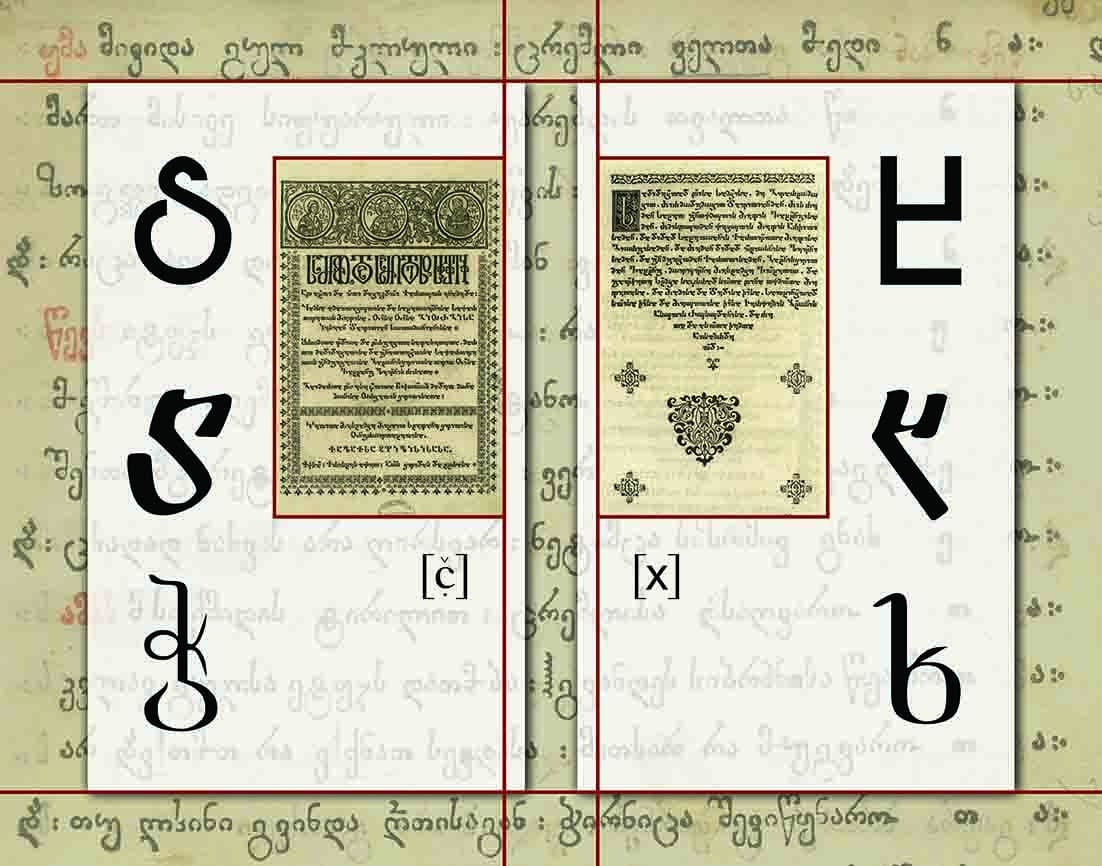
Poster prepared for the Georgian alphabet exhibition
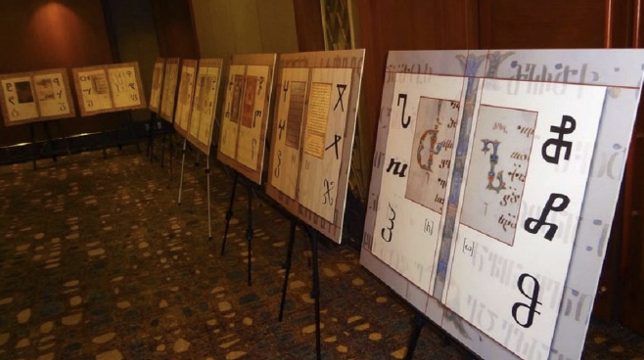
The Georgian alphabet on display in Strasbourg
Conclusion
Georgian writing is a remarkable phenomenon in cultural history. Its three scripts—Asomtavruli, Nuskhuri, and Mkhedruli—represent not merely a development in graphic style, but a multilayered cultural experience of Georgian civilization; a code that carries spiritual history, and one of the most powerful symbols of national identity.
Georgian writing has always been an integral part of education, spiritual life, statehood, and cultural expression. The beauty of the Georgian alphabet, therefore, lies not only in its visual appeal, but in its form, imbued with meaning and grounded in a profound historical experience.
Today, the Georgian alphabet continues to exist not as a museum artifact, but as a living, functional cultural system: one that remains fully capable of expressing thought, emotion, and the natural depth of the language with clarity and precision. It is precisely this continuity and capacity for self-renewal that make Georgian writing truly unique within the diverse family of the world’s writing systems.
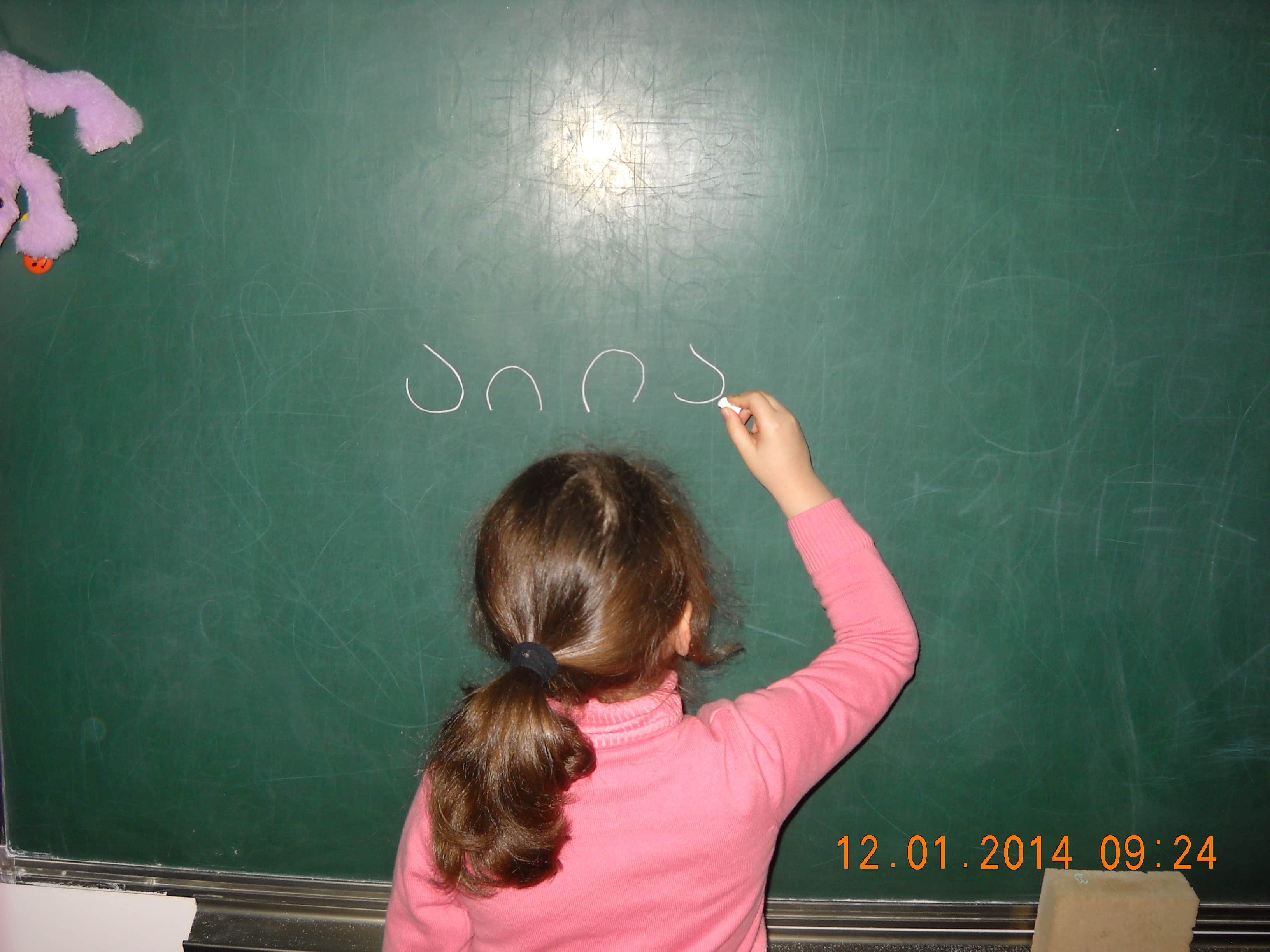
A first grader learning the alphabet
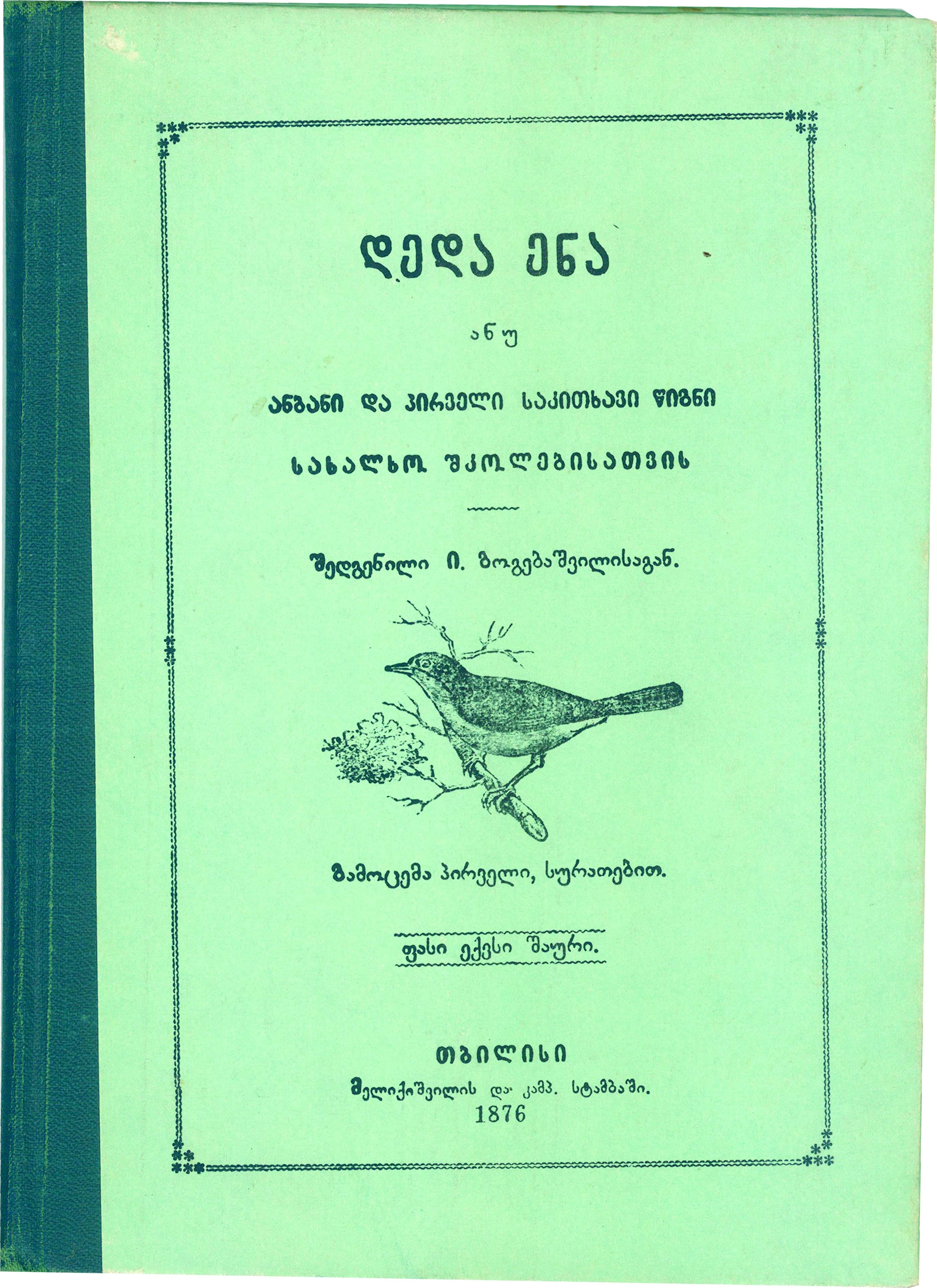
One of the first editions of I. Gogebashvili's Mother Tongue
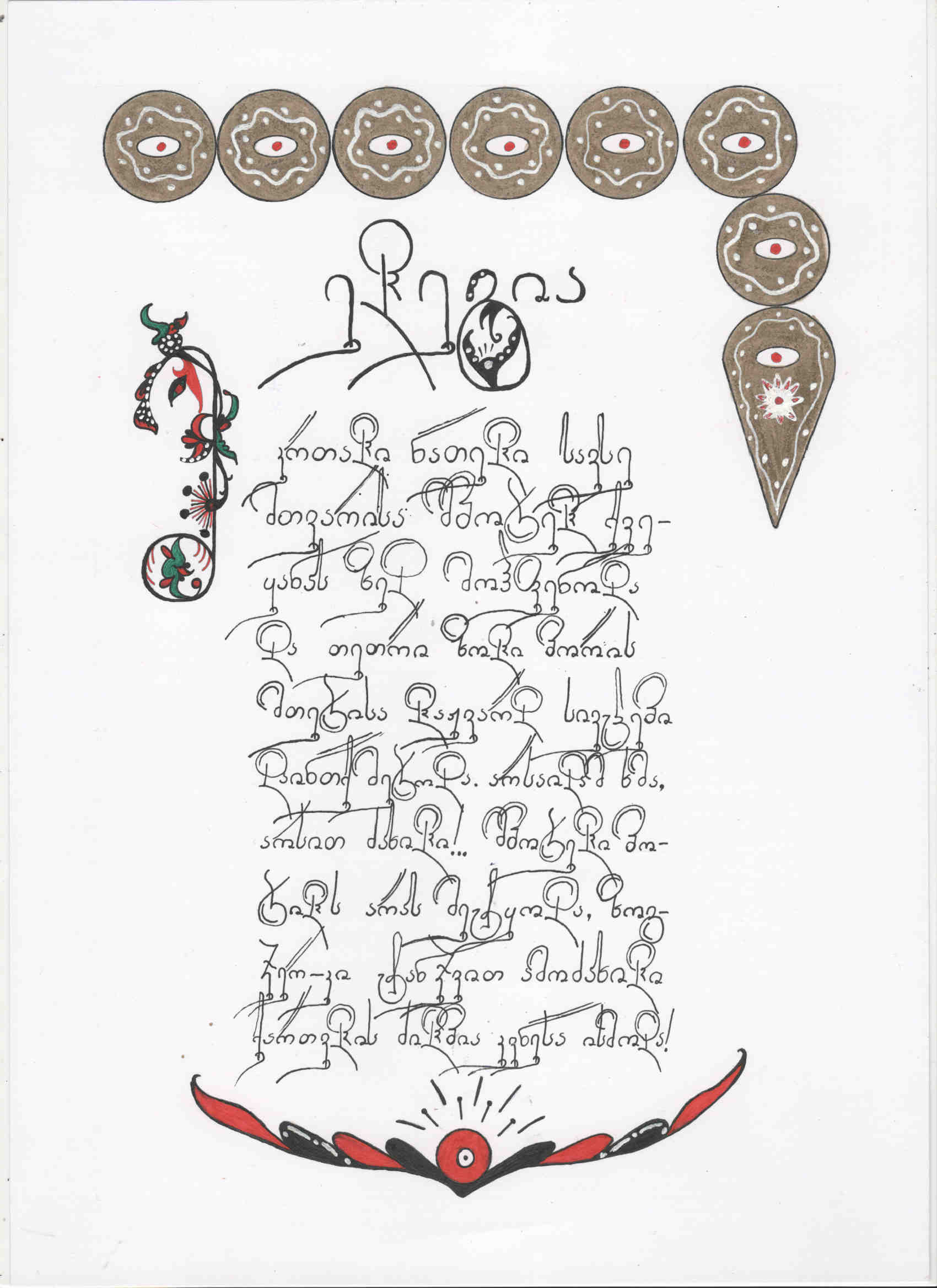
Calligraphy competition for students of Kvemo Kartli schools, 2018 -
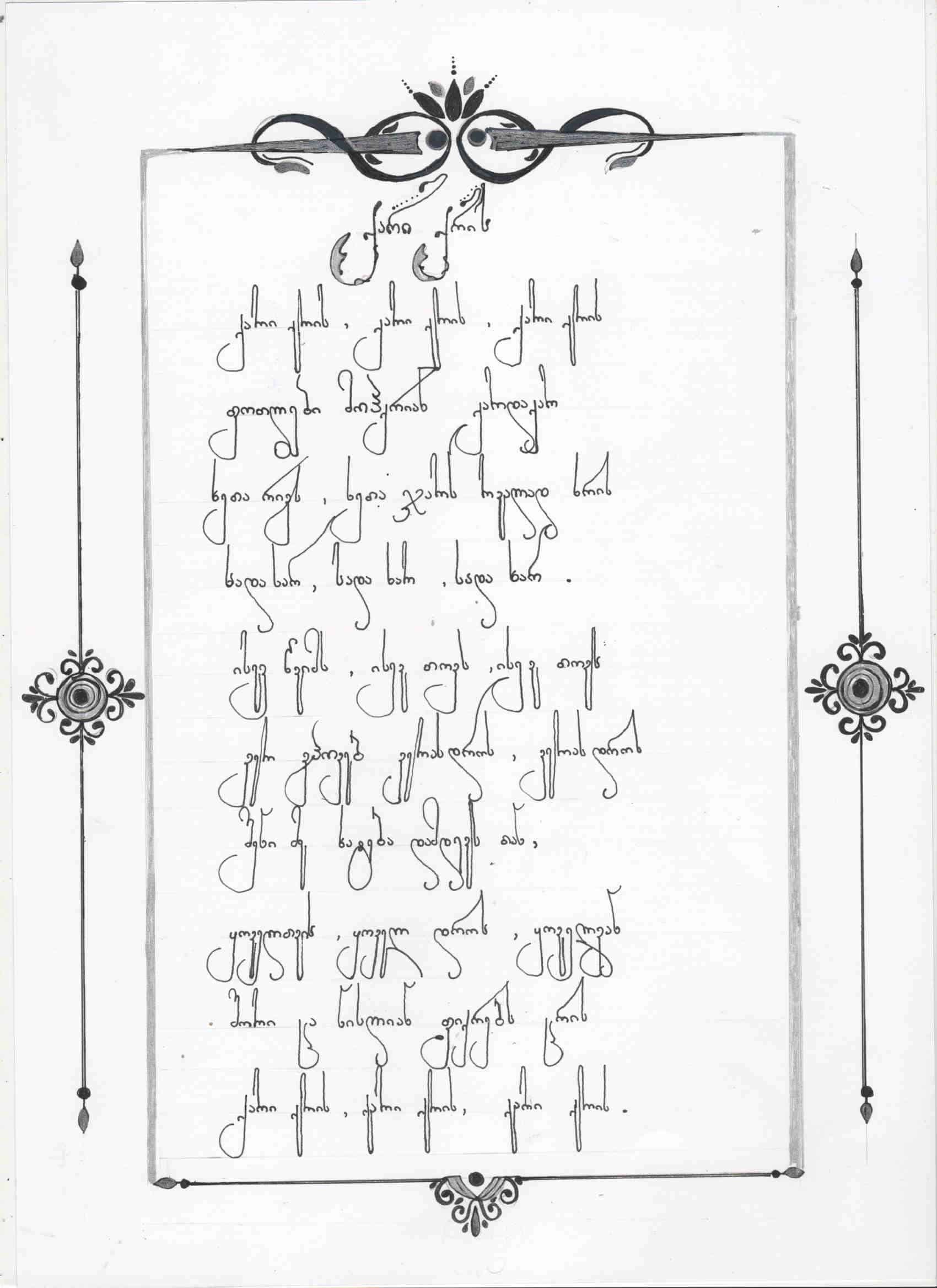
Calligraphy competition for students of Kvemo Kartli schools, 2018 - P. Omarova
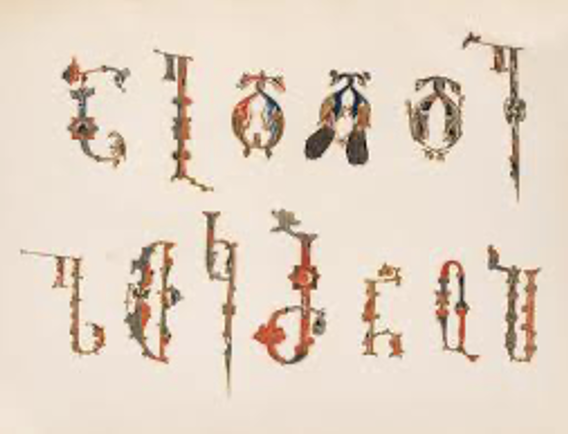
Asomtavruli letters
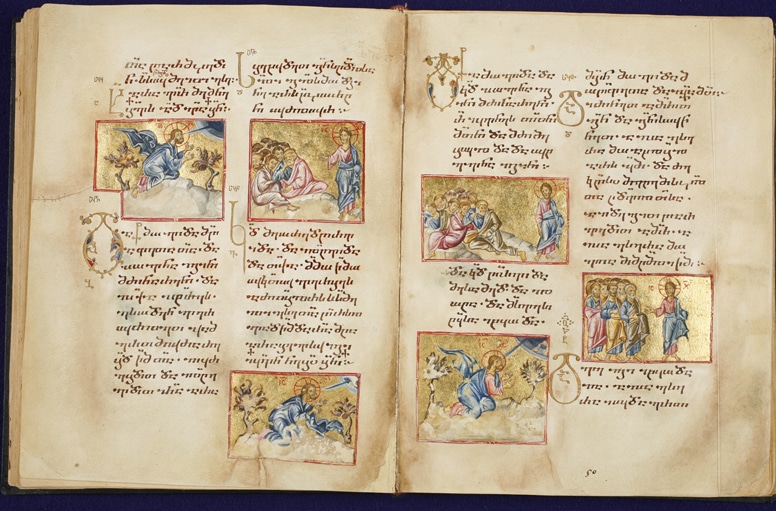
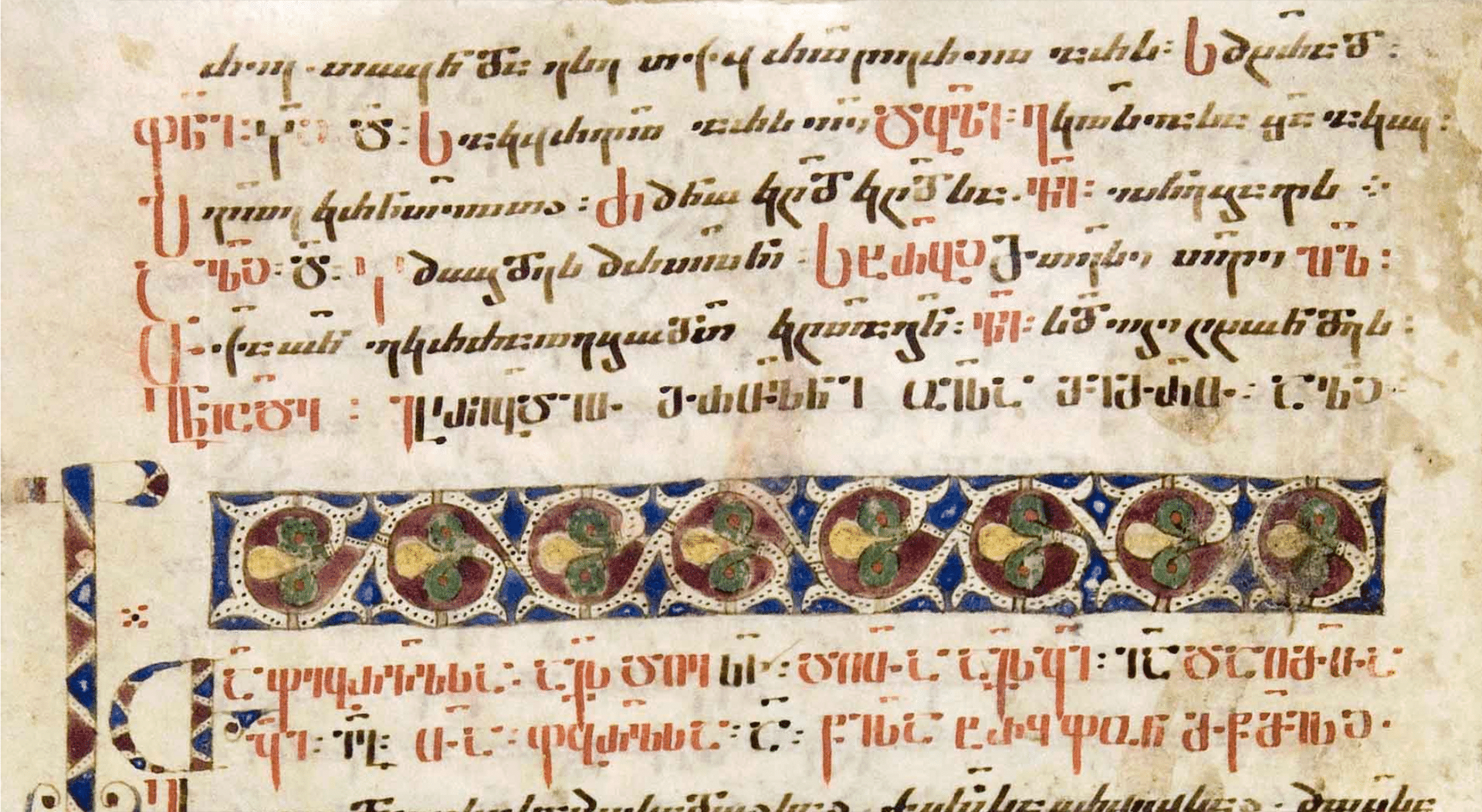
The Mokvi Gospels