


- Sort by
- Date
Feel free to add tags, names, dates or anything you are looking for



Feel free to add tags, names, dates or anything you are looking for
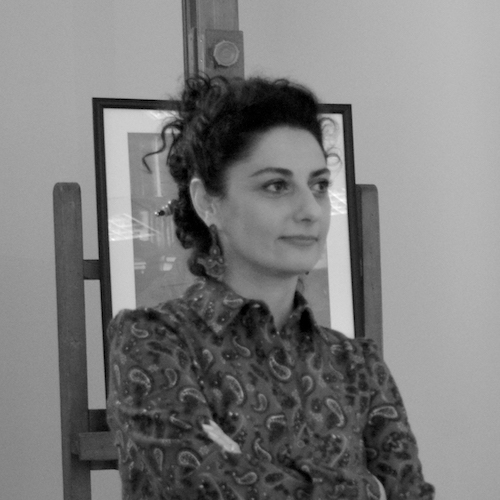
In the late 1950s, few knew who young Alexander (Shura) Bandzeladze (1927-1992) was. Indeed, they failed to realize that the painting that headed the renowned Galaktioni’s burial procession to the Mtatsminda Pantheon in 1959 was his: he had painted it a few years prior, in 1952.
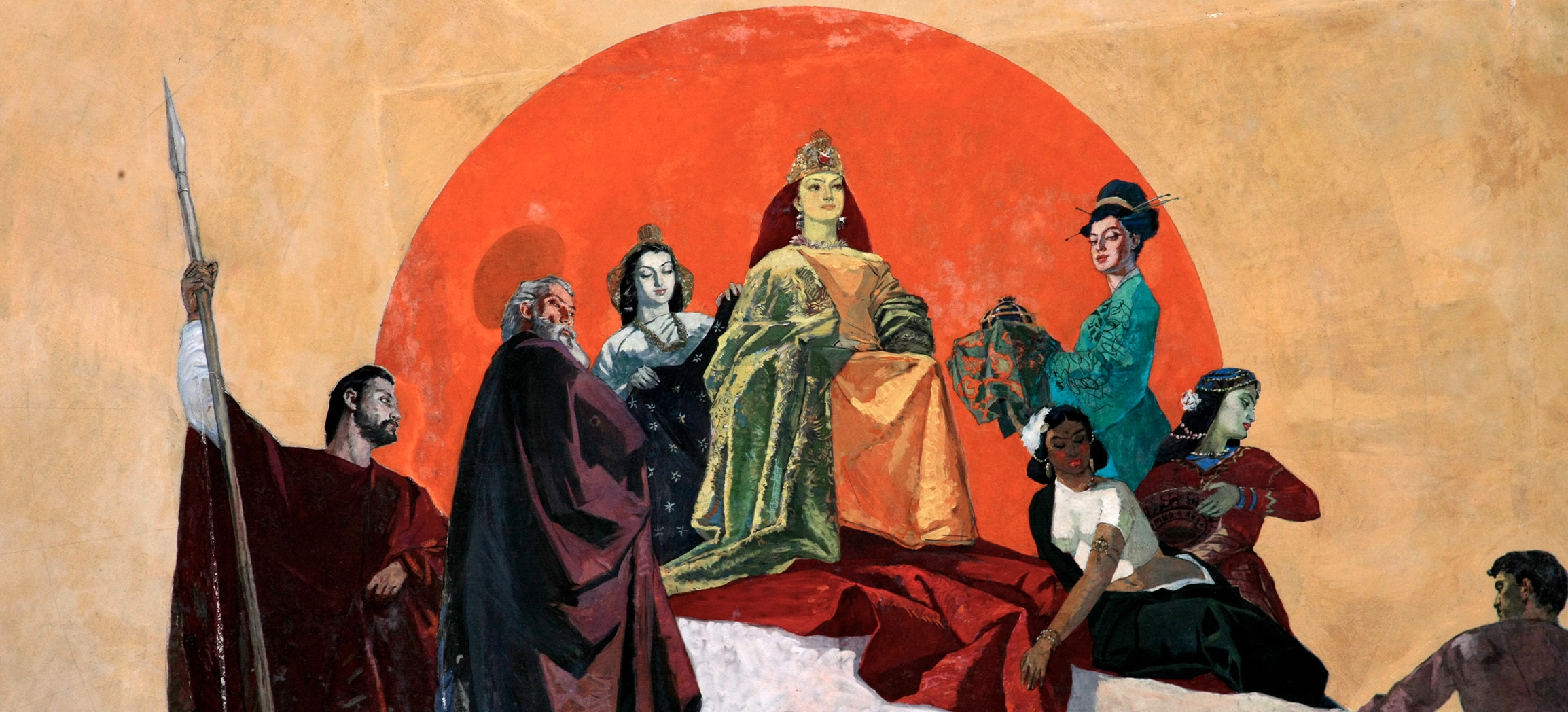
Robert Sturua (Senior, 1918–1982) left behind a remarkable creative legacy, distinguished by his contributions to both monumental and easel painting. While studying at the Tbilisi Academy of Arts, the upcom
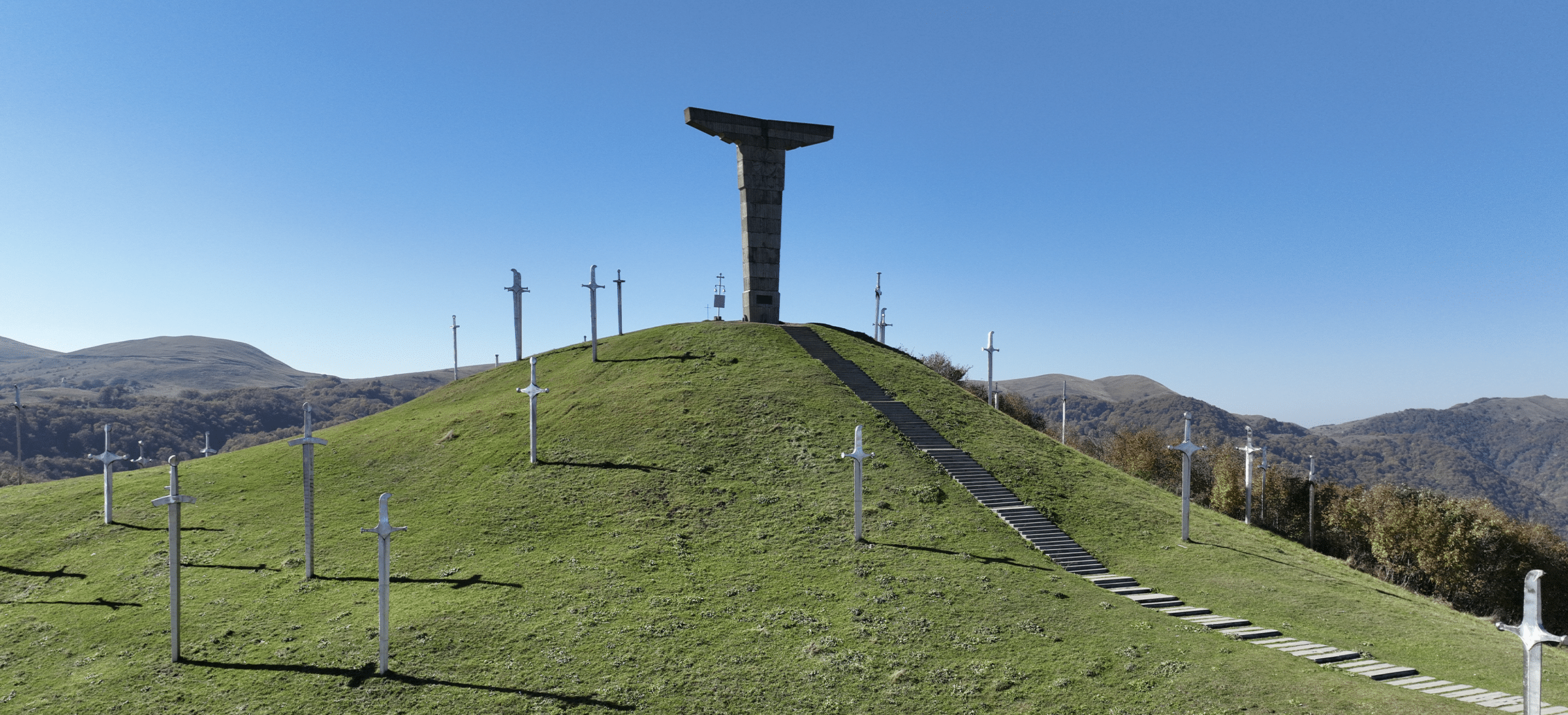
There are numerous statues by the sculptor Merab Berdzenishvili (1929–2016), both in Georgia and outside of it. Each of them, when considered separately, exhibits different aspects of the sculptor's individual handwriting, represents all of the indications of the time and era, and reveals the multitude of artistic trends, innovations, and changes that existed in the Georgian artistic space of the 20th century.
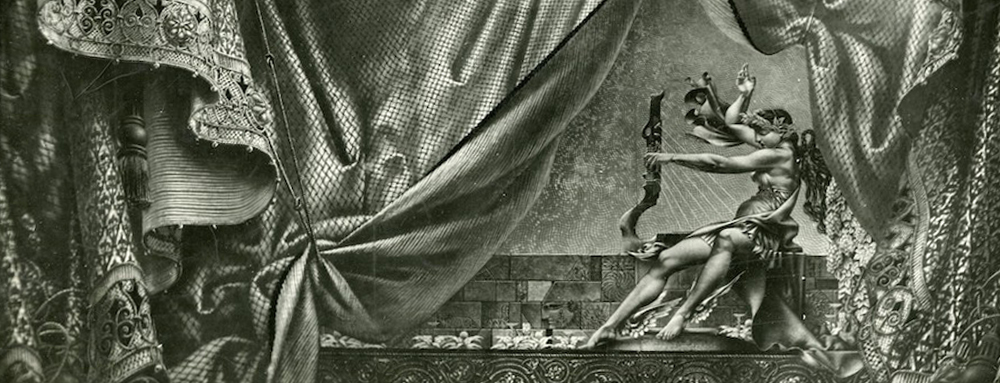
Sergo Kobuladze (1909-1978) began working on the curtain for the Tbilisi Opera and Ballet State Theater in around 1954-1956. The creation of the curtain in the theater space has always been of special importance. For the audience, the curtain is exceptional, festive, and magnificent. The curtain is not associated with any particular performance. It forms both a real and a visual-conditional boundary of the artistic world. It is most appropriate to consider such a curtain in the context of synthesis of the arts since while being an example of monumental painting corresponding to architecture, it is often also influenced by theatrical and decorative elements.