
.jpg)




- Sort by
- Date
Feel free to add tags, names, dates or anything you are looking for



Feel free to add tags, names, dates or anything you are looking for

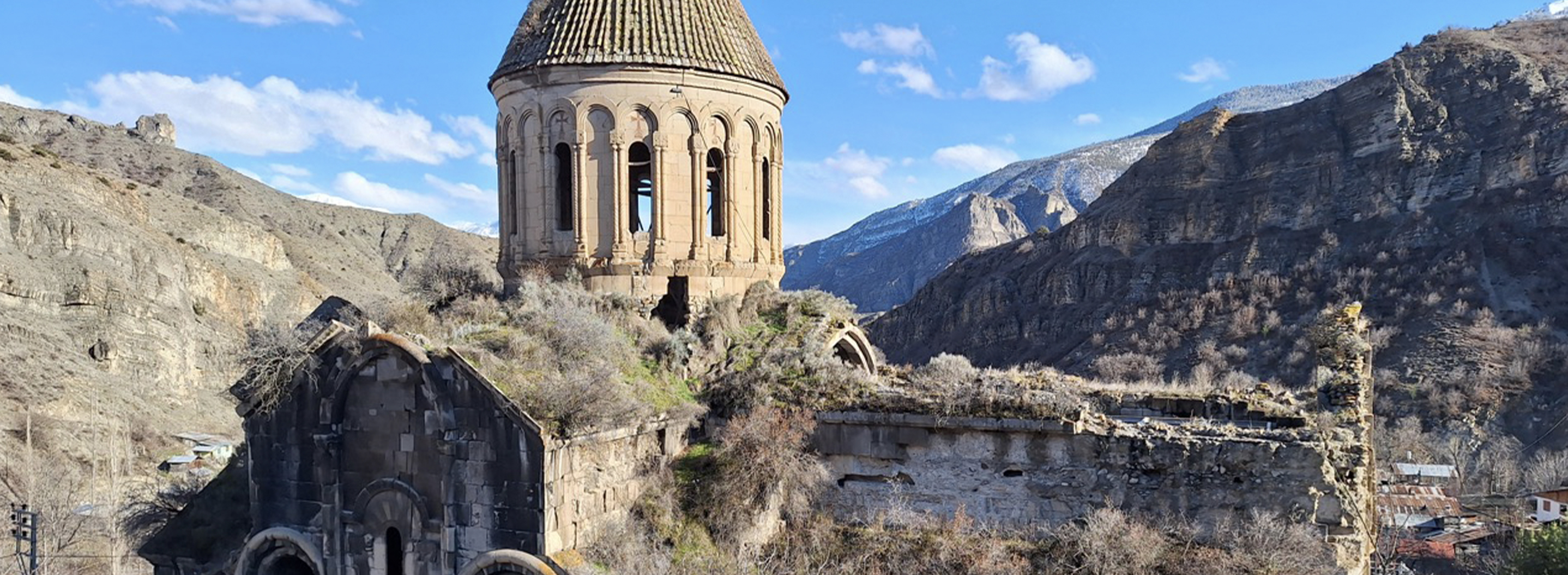
Oshki is one of the most significant medieval Georgian sites in Turkiye. It is located in the village of Çamlıyamaç, in the Uzundere District of Erzurum Province. Encircled by mountains and located atop a purposefully elevated platform, the main monastic church, which is dedicated to St. John the Baptist, dominates the surrounding area.
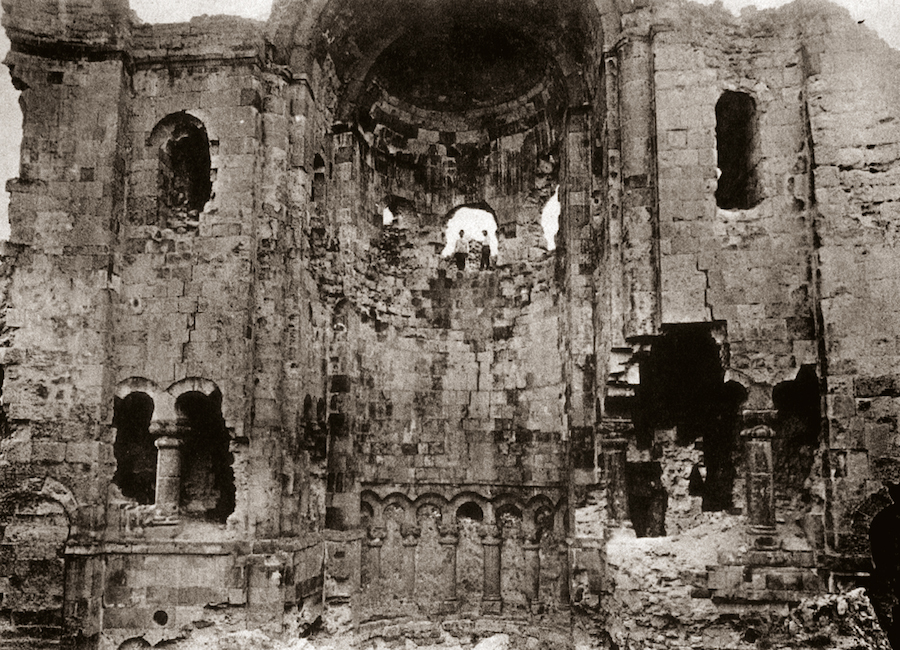
Bana Cathedral was one of two bishopric centers of the historic Georgian Tao region. Now all in ruins it is located on top of a small hill, near the village Penek (Erzurum) north-eastern Turkiye. The surroundings of the river Penek with its picturesque hillocks make a great impression on a viewer.
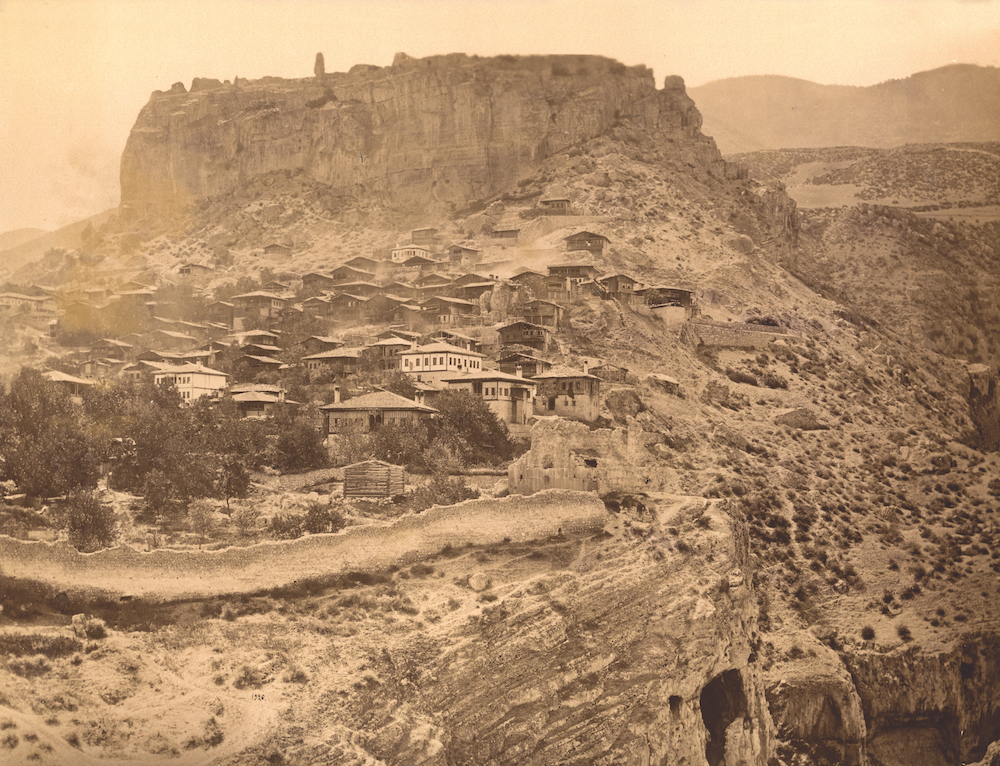
Tao-Klarjeti is a general name that was coined in the academic language of the 19th century to define the medieval Georgian heritage, movable and immovable, related to the “Georgian Kingdom” or the “Kingdom of Kartvelians”. Their Kingdom included the provinces of Erusheti, Artaani, Samtskhe, Shavsheti, Tao, Kola, and Klarjeti, which mainly comprised the basin of the River Chorokhi (Çoruh) and the headwaters of the River Mtkvari (Kura). Today it corresponds to the provinces of Erzurum, Artvin, Ardahan, and partially Kars in north-eastern Turkiye.