

- Sort by
- Date
Feel free to add tags, names, dates or anything you are looking for



Feel free to add tags, names, dates or anything you are looking for
.jpeg)
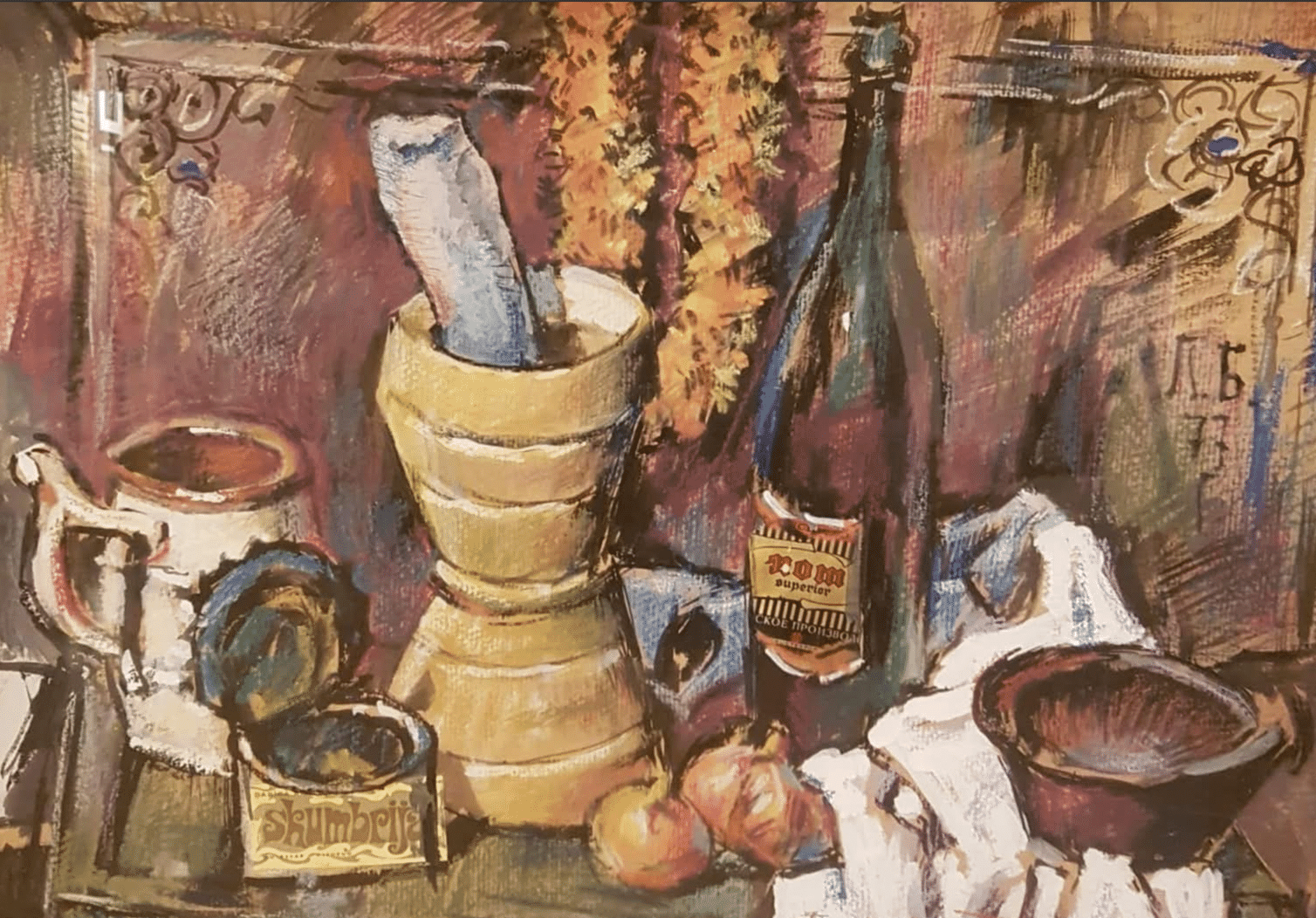
Lev Bayakhchev was an artist of the 1960s, a generation of artists that eagerly embraced the air of freedom leaking through the cracks of the "Iron Curtain" that had descended between the Soviet Union and the rest of the world in the aftermath of the post-Stalin liberalization of the 1950s. In doing so, this generation successfully assimilated many global cultural trends.
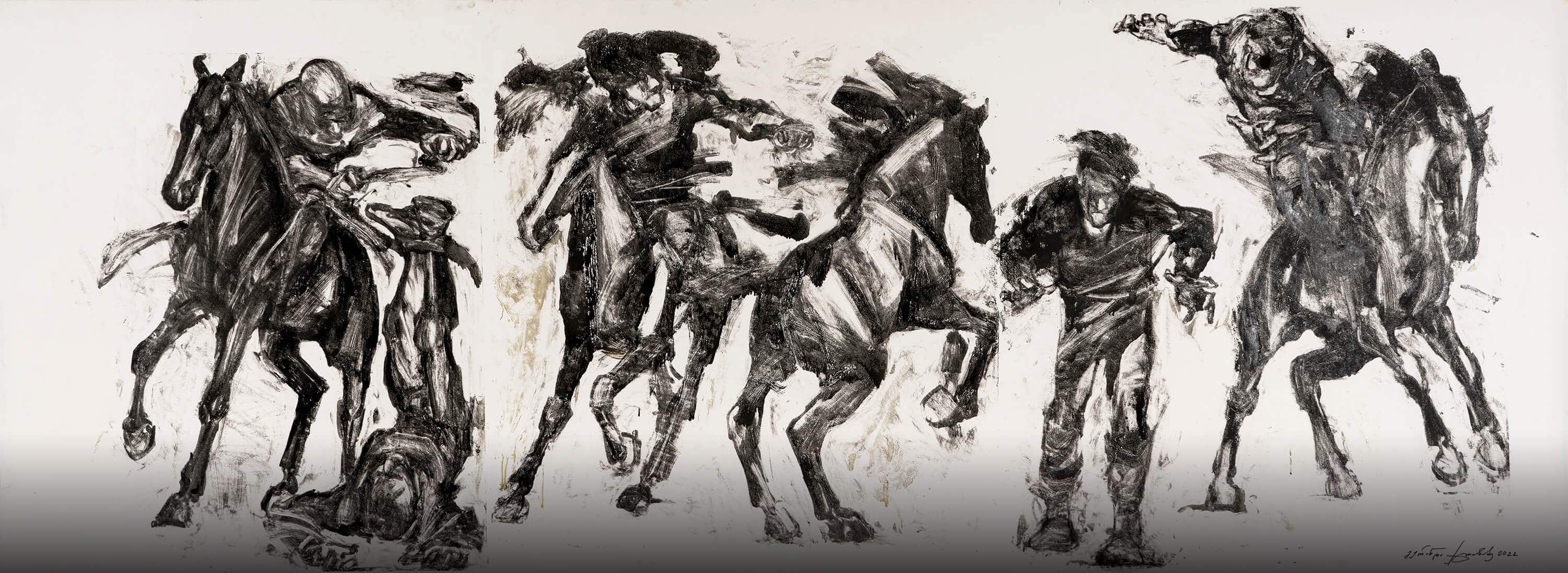
When Avto Varazi was first introduced to the writer Guram Rcheulishvili, Guram told his friend of his new acquaintance as they were saying goodbye: “This man is really a true artist.” Rcheulishvili, an outstanding writer, had recognized a kindred spirit in Varazi. Indeed, the word “true” perfectly captures Avto Varazi’s personality, as expressed in his art.
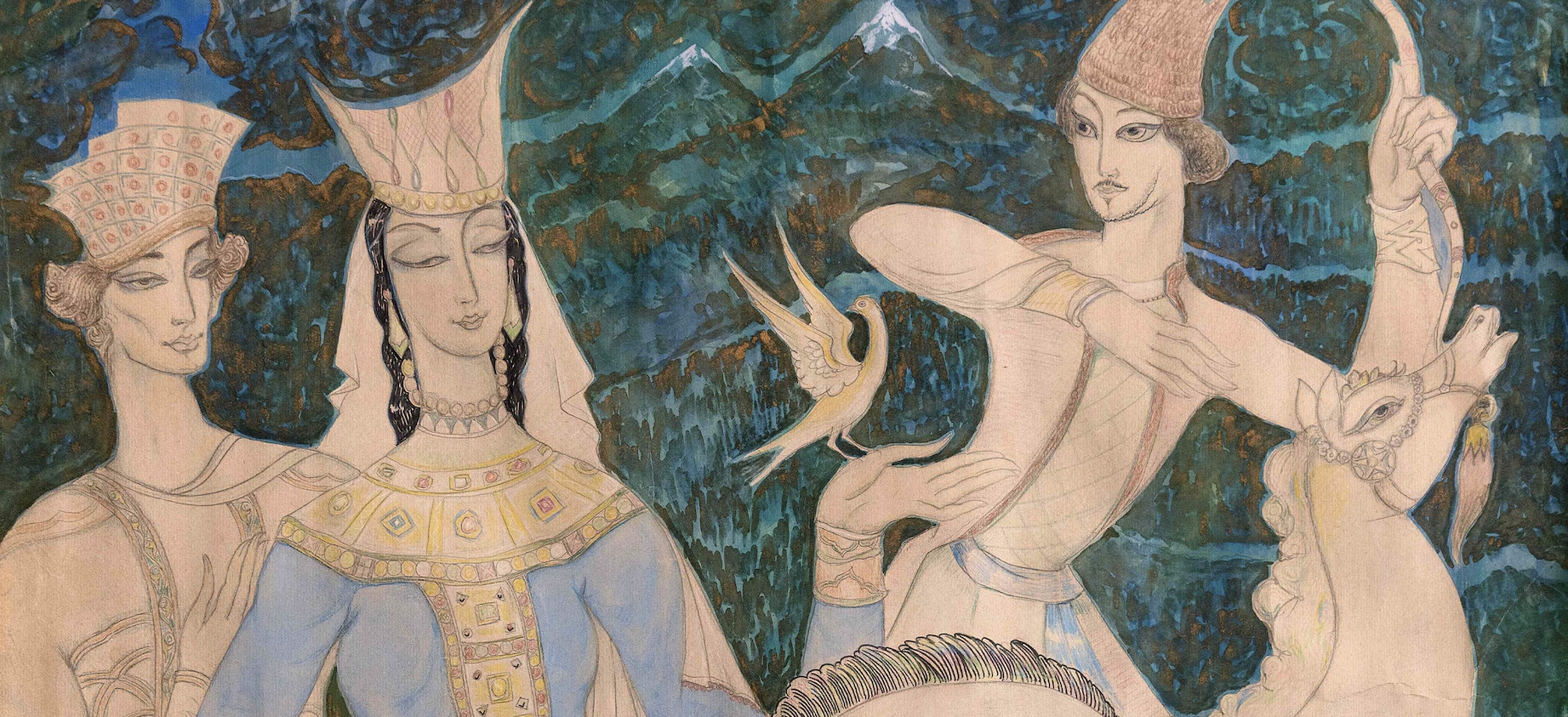
After Niko Pirosmanashvili, Lado Gudiashvili is arguably the most extensively discussed Georgian artist. Like Pirosmani, Gudiashvili's initial recognition came primarily from international art appreciators. Just as Pirosmani was a mythic figure in Georgian culture, Gudiashvili also gained significant admiration among Georgians.
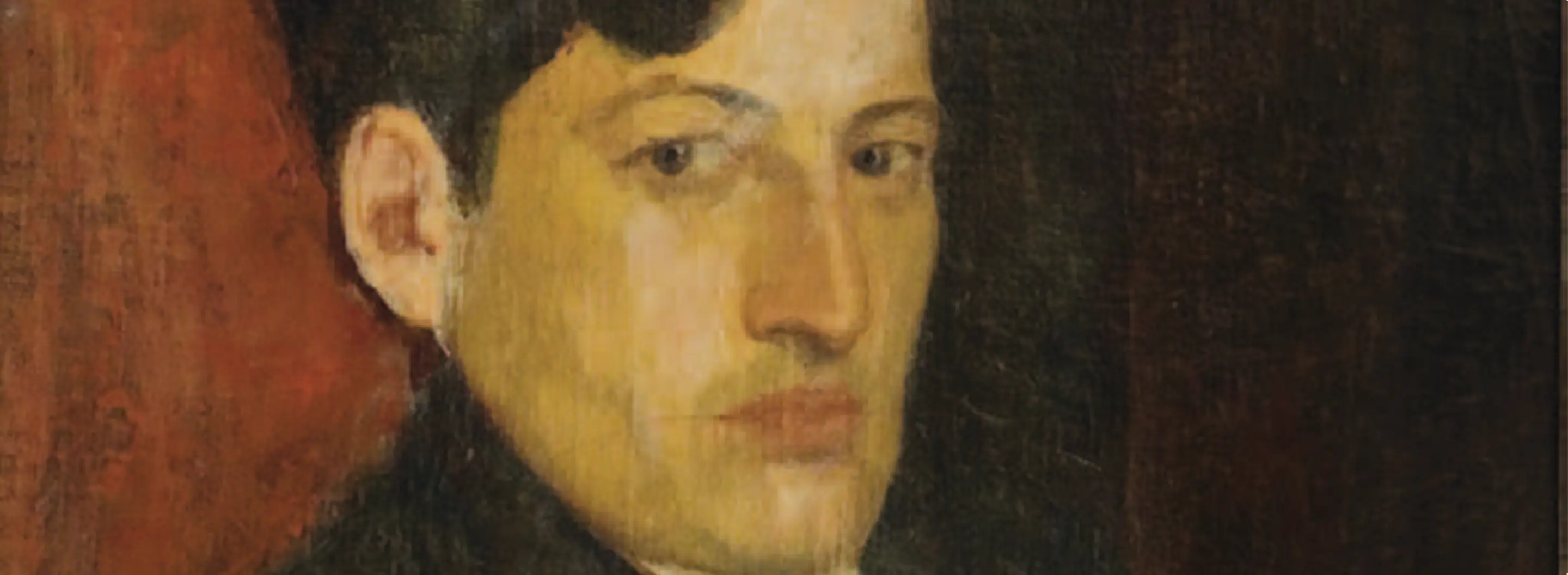
The history of Georgian fine arts has preserved the sad love story of two great artists. It was love with a tragic end that left an irreversible wound on Ketevan Magalashvili's noble soul and the entire cultural elite of Georgia. In 1938, Ketevan’s husband, Dimitri Shevardnadze, one of the most famous of Georgian artists, was labeled an "enemy of the people." Later, he was imprisoned and executed. They say that for a time afterwards, Ketevan refused to leave the house and locked herself in. According to her family members, she even stopped working, at a complete loss, asking again and again, "Why?" "What for?" No-one could answer these questions.
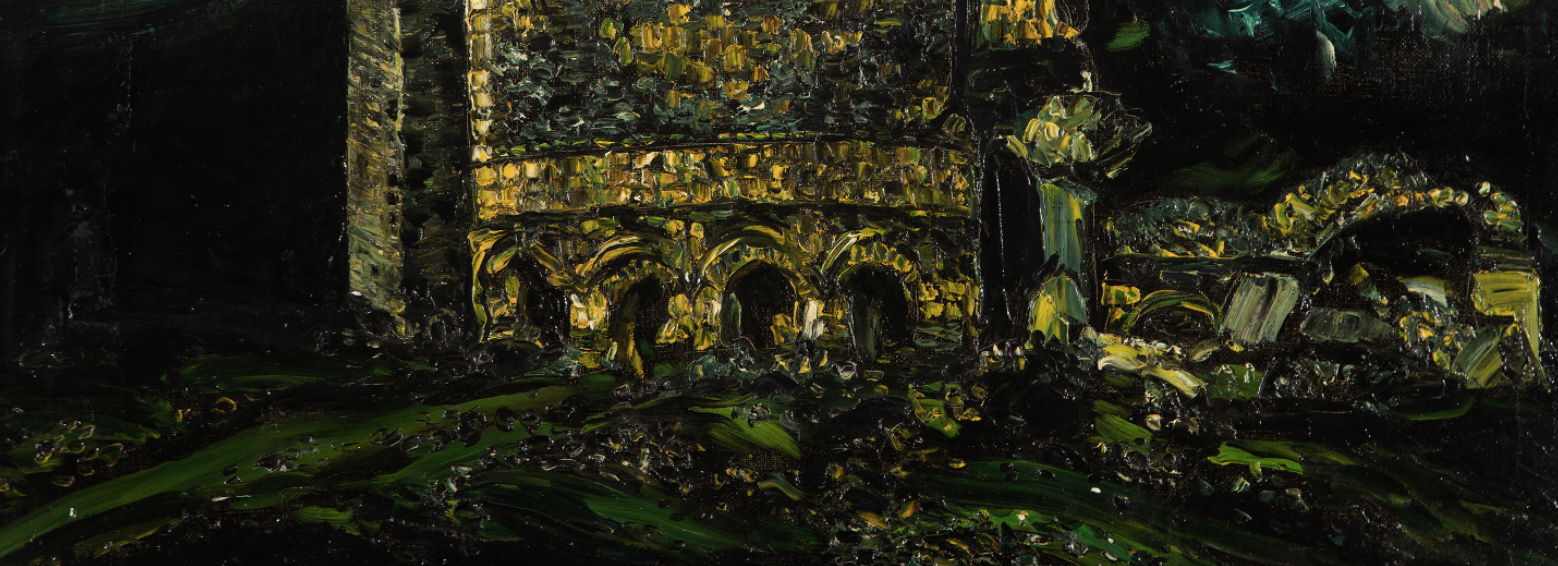
Natela Iankoshvili was an artist entirely absorbed in her creative work. Her paintings represent different stages in her life. She didn’t have a child of her own, and considered her paintings her children. In each of Iankoshvili's works, be it a portrait, a landscape, an easel graphic, or an illustration for a book, the artist's stubborn, bold, firm, and complex character seems fully embodied. Her husband, the writer Lado Avaliani, who studied with Natela Iankoshvili at the Tbilisi Art Academy, believed that her art carried existential importance for her. As proof of their unwavering love that began within the walls of the Academy, Lado Avaliani gave up painting and, with the income from his writing career, fully supported the development of his wife's extraordinary talent.
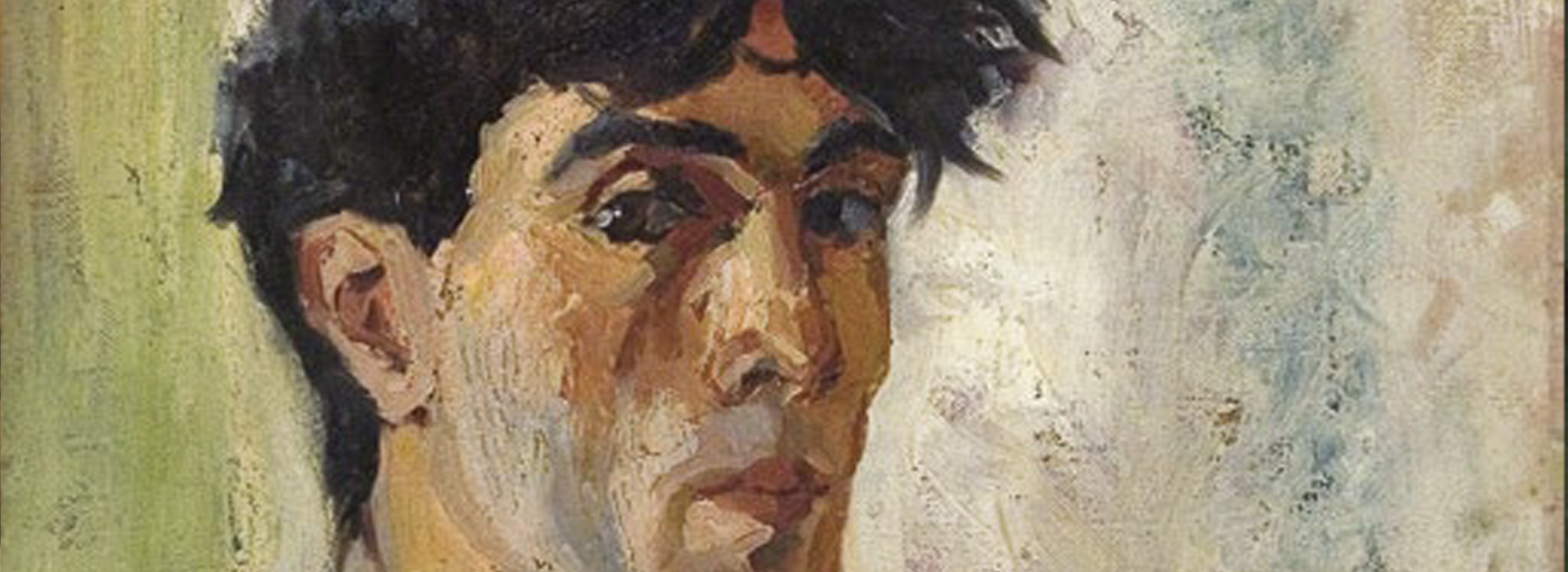
Shalva Kikodze’s emergence on the Georgian art scene was comparable to a meteoric phenomenon. The duration of his creative activity spans just fourteen years. In 1908, at the age of 14, his first caricature was published in the Georgian humorous magazine "The Devil's Whip." His final work appeared in October 1921 during an exhibition at "La Licorne" Gallery in Paris, featuring works by three Georgian artists — Lado Gudiashvili, Davit Kakabadze, and Shalva Kikodze.
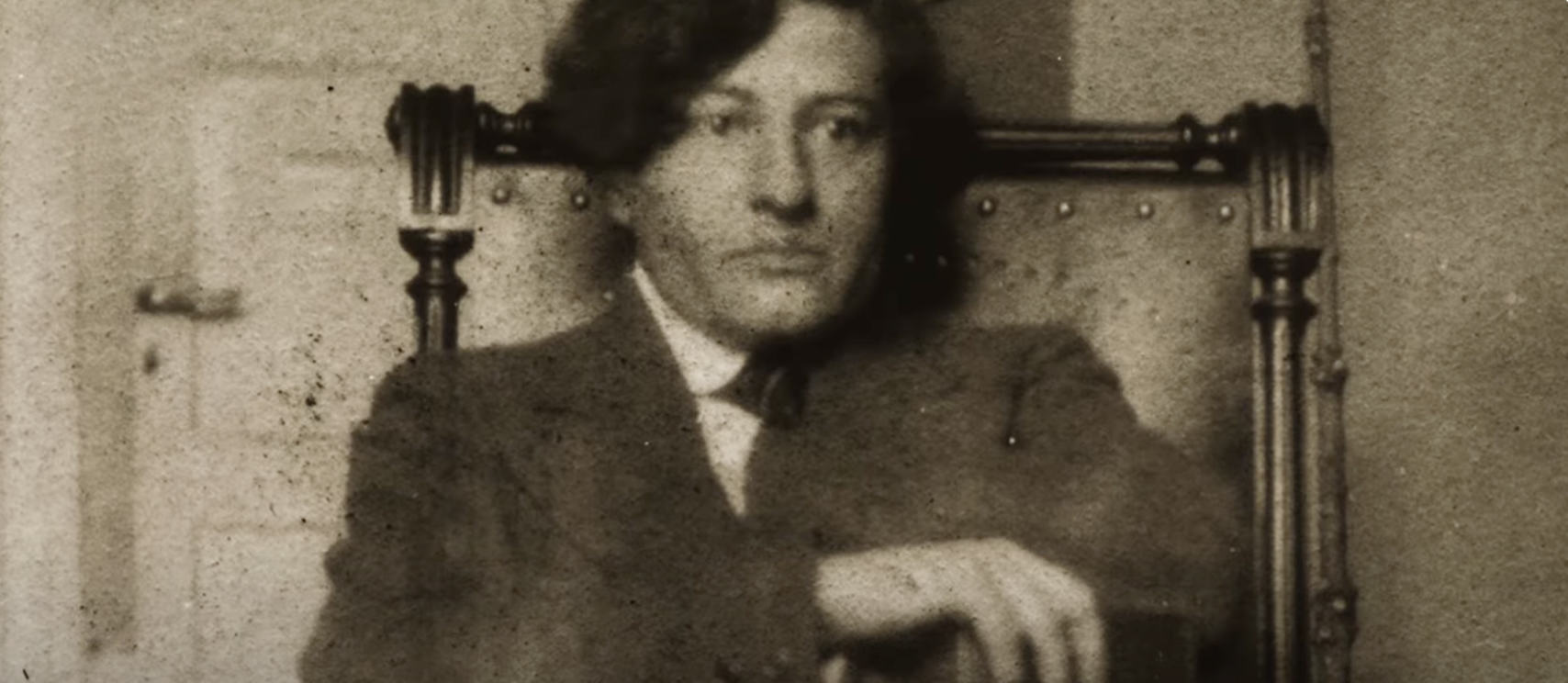
The notion that epochs are created by great individuals, giants who carry the enormous weight of an era’s destiny on their shoulders, is a widely held belief in our time. Although the 20th century did not lack thinkers and influencers, most of the distinguished people from this century encountered ordeals of different kinds. Included among these exceptional individuals is the flag-bearer of Georgian culture, Dimitri Shevardnadze.