




 Share this article
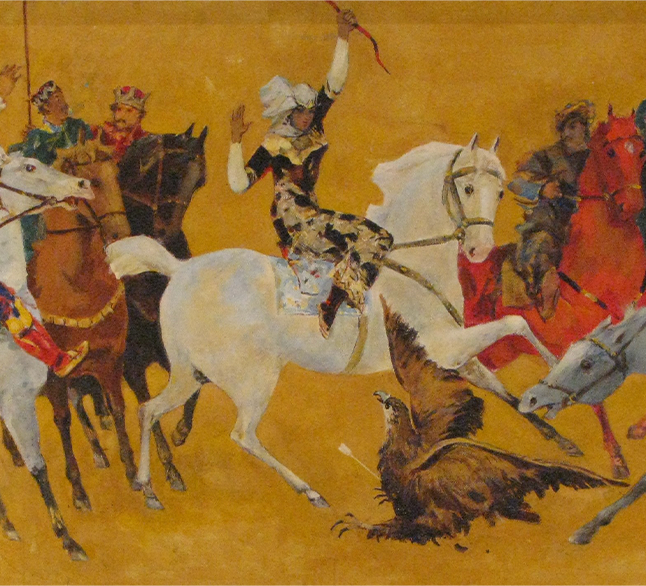
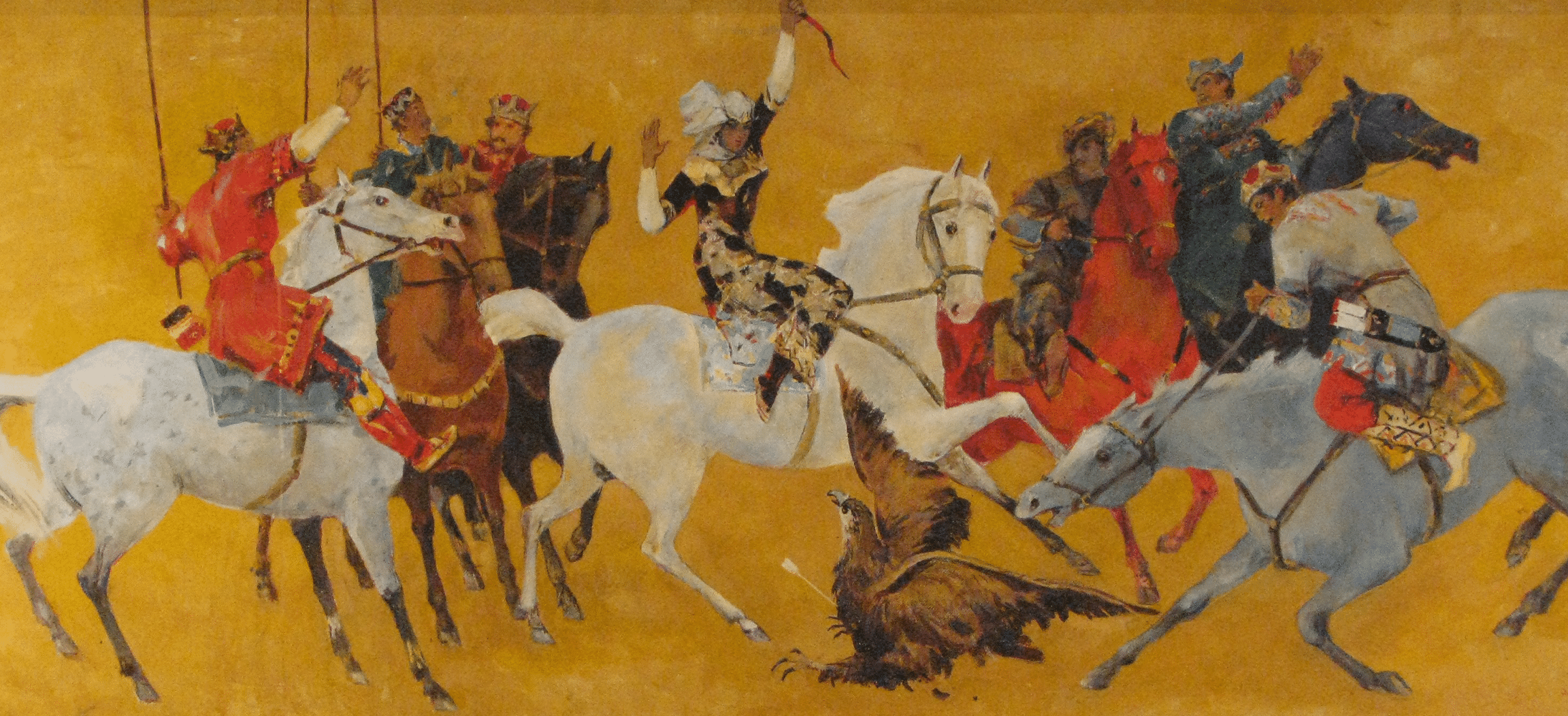
People's Artist of Georgia, Apollon Kutateladze was born on December 25, 1899, in the village of Ivandidi in Imereti, to Karaman Kutateladze and Barbara Gigiberia.
The name Apollon as perhaps symbolic, since he went on to commit his life to art and to contribute significantly to the development of contemporary Georgian fine art. His artistic legacy has been extensively acknowledged, appreciated, and honored with several titles and honorary orders.[1]
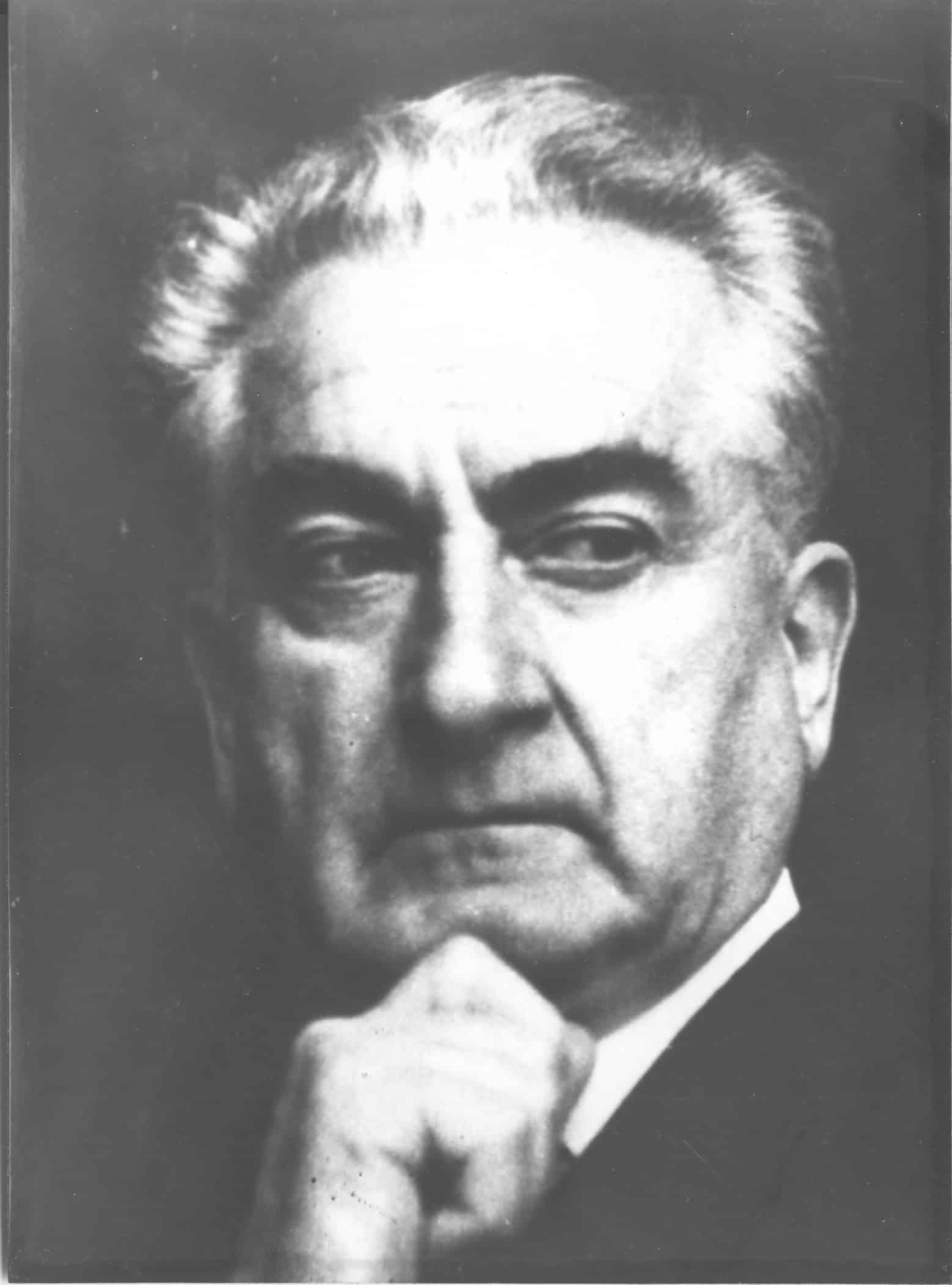
Apollon Kutateladze
Those who knew Apollon Kutateladze, whether through close friendship or a chance encounter, remember him with deep affection and tenderness. Gifted with both physical charm and an exceptional ability to connect with people, he left a lasting impression through his generosity, which he expressed with quiet dignity. Even when facing the most difficult obstacles, he responded with grace and a personal touch.
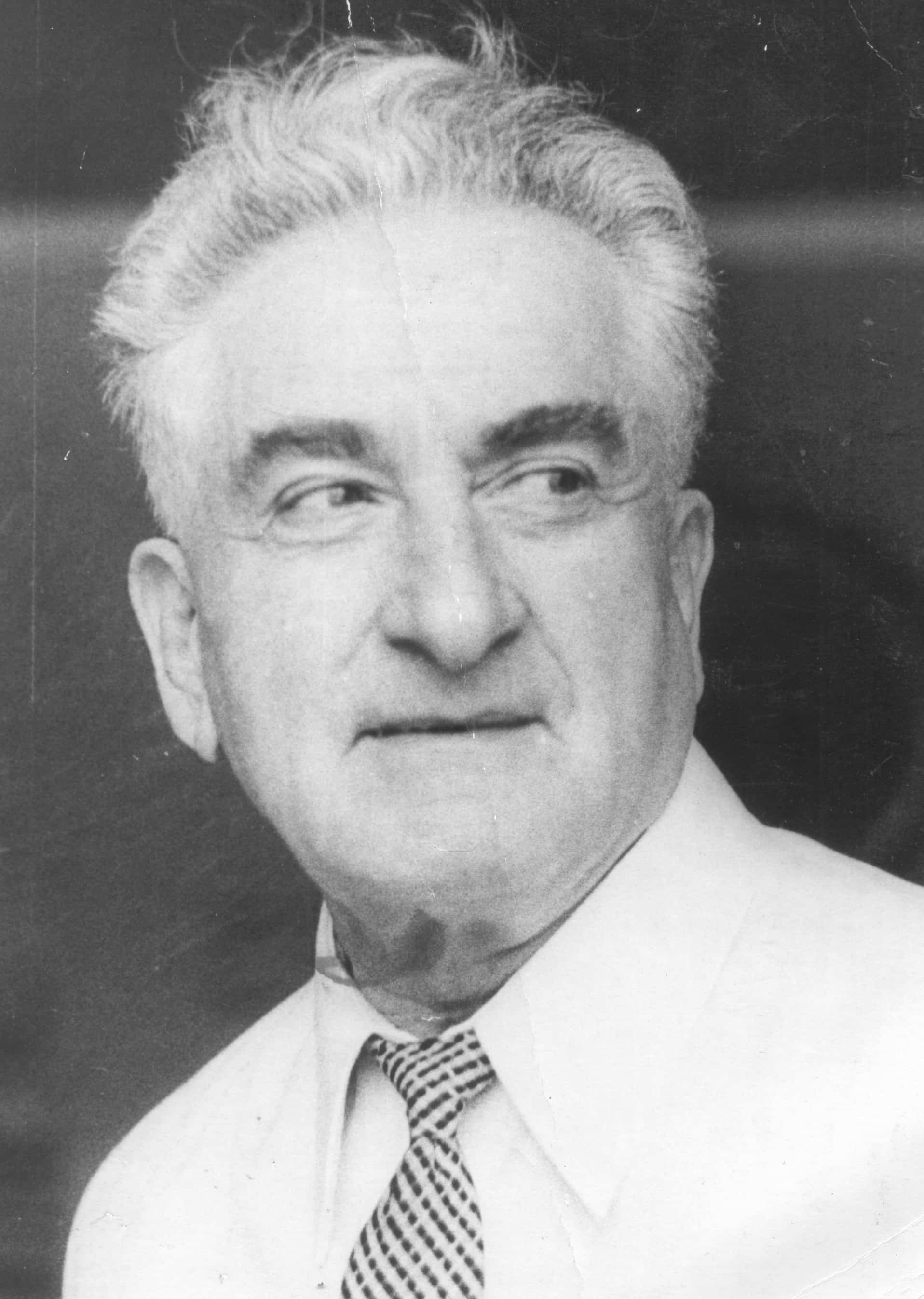
Apollon Kutateladze
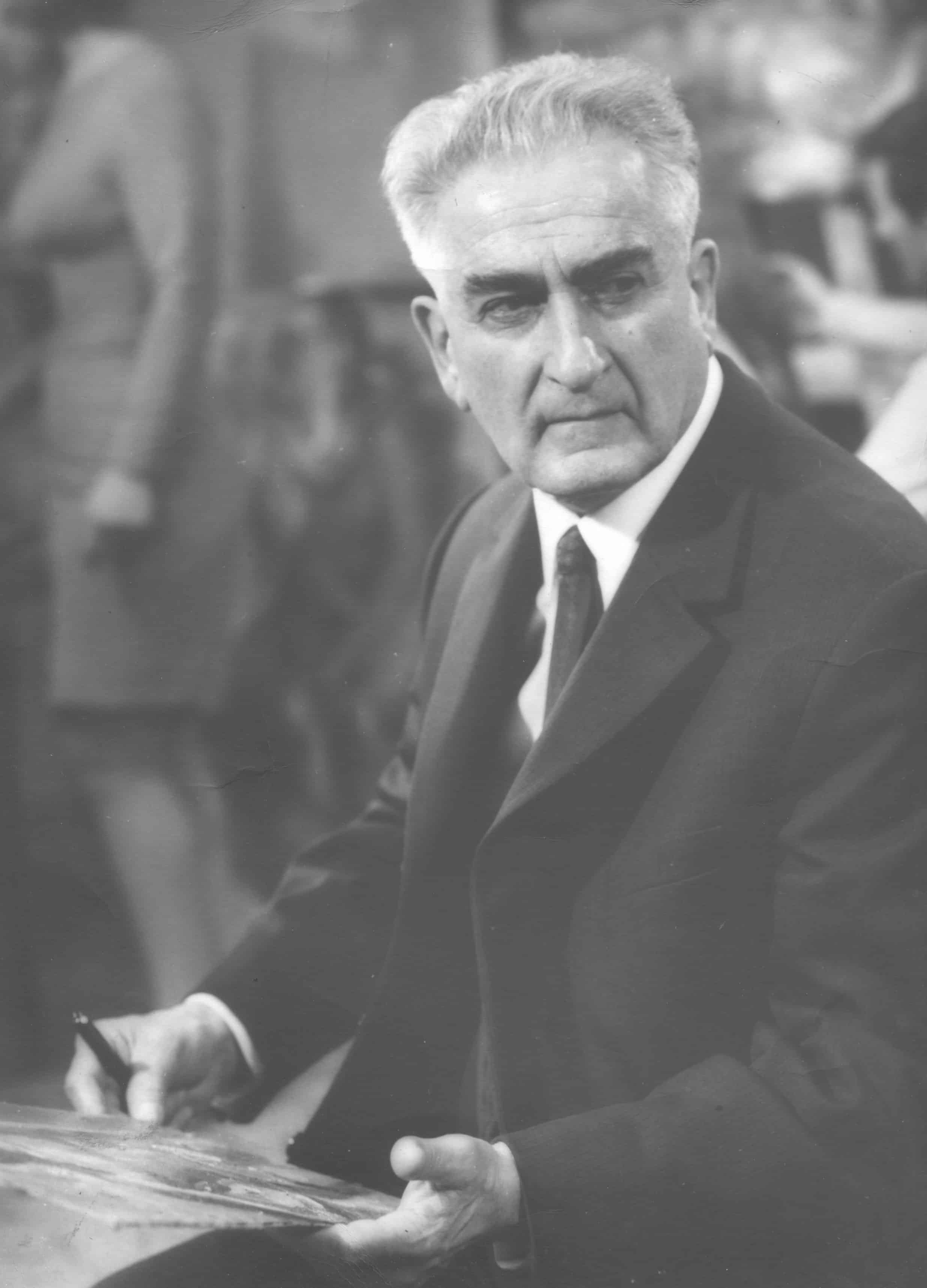
Apollon Kutateladze
Apollon began his education at the Poti Gymnasium in 1906. The Kutateladze family moved to Tbilisi in 1914, where Apollon started refining his drawing skills. He enrolled in the Nikoloz Sklifasovsky School of Painting in 1915, where he received instructions from Nikoloz Sklifasovsky himself, Boris Fogel, and Boris Shebuev, all of whom were outstanding artists. It was thanks to their great contribution that Apollon entered into the realm of art.
But in 1915, at the start of World War I, filled with young enthusiasm, he enlisted in the army, and went on to be a member of the independent Republic of Georgia's army from 1918 until 1921.
Apollon Kutateladze’s artistic journey was shaped not only by his personal dedication, but also by the profound challenges of his time, including military service and a turbulent political landscape. In the early 20th century, Tbilisi became a haven for artists who were escaping persecution brought on by the Russian Revolution. The development of Georgian Modernism also started at that time. Apollon didn’t, however, align himself with this group of modern artists, nor did he have a chance to study overseas.
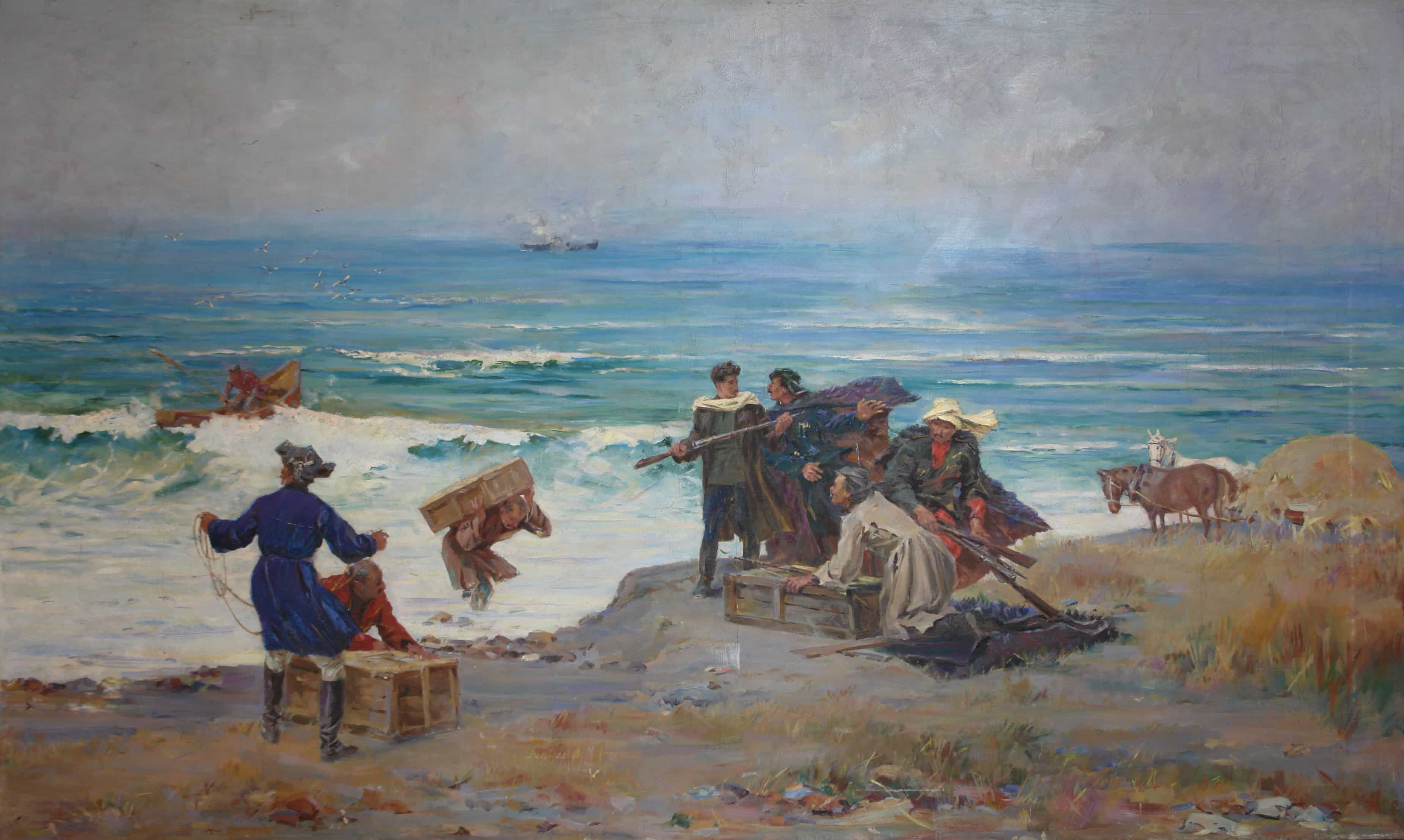
Apollon Kutateladze. Transfer of Weapons. Canvas, oil. 120x200. 1958
Apollon Kutateladze. The Sea. Cardboard, oil. 15,5x28,5. 1957
Georgia's political situation progressed identically to Russia's, culminating in the establishment of Soviet rule.
Amidst these upheavals, one significant development took place: the Georgian Academy of Arts was established in Tbilisi on May 14, 1922, following years of preparatory work. Apollon Kutateladze was among the first students to enroll in the fine arts department at this higher art institution when it opened. He actively participated in the Academy’s creative life, and played a key role in shaping its direction. In 1929, the Association of Revolutionary Artists of Georgia (SARMA) was established under his direct leadership.
Among the teachers, Gigo Gabashvili had a particularly strong impact on Apollon throughout his studies, reflecting itself in his passion for the theme of war in his paintings. He also maintained a strong bond with Eugene Lanceray, collaborating with him on numerous projects: The Rebels - a painting for a pub in the village of Mathkhoji (1928), and posters: Raising Qualifications through Education (1924) and The Call of the Party (1929).
In the early 1920s, Apollon Kutateladze's work focused mostly on graphics. He worked as a book illustrator, decorating samples of Georgian classical literature, folklore, and children's books.
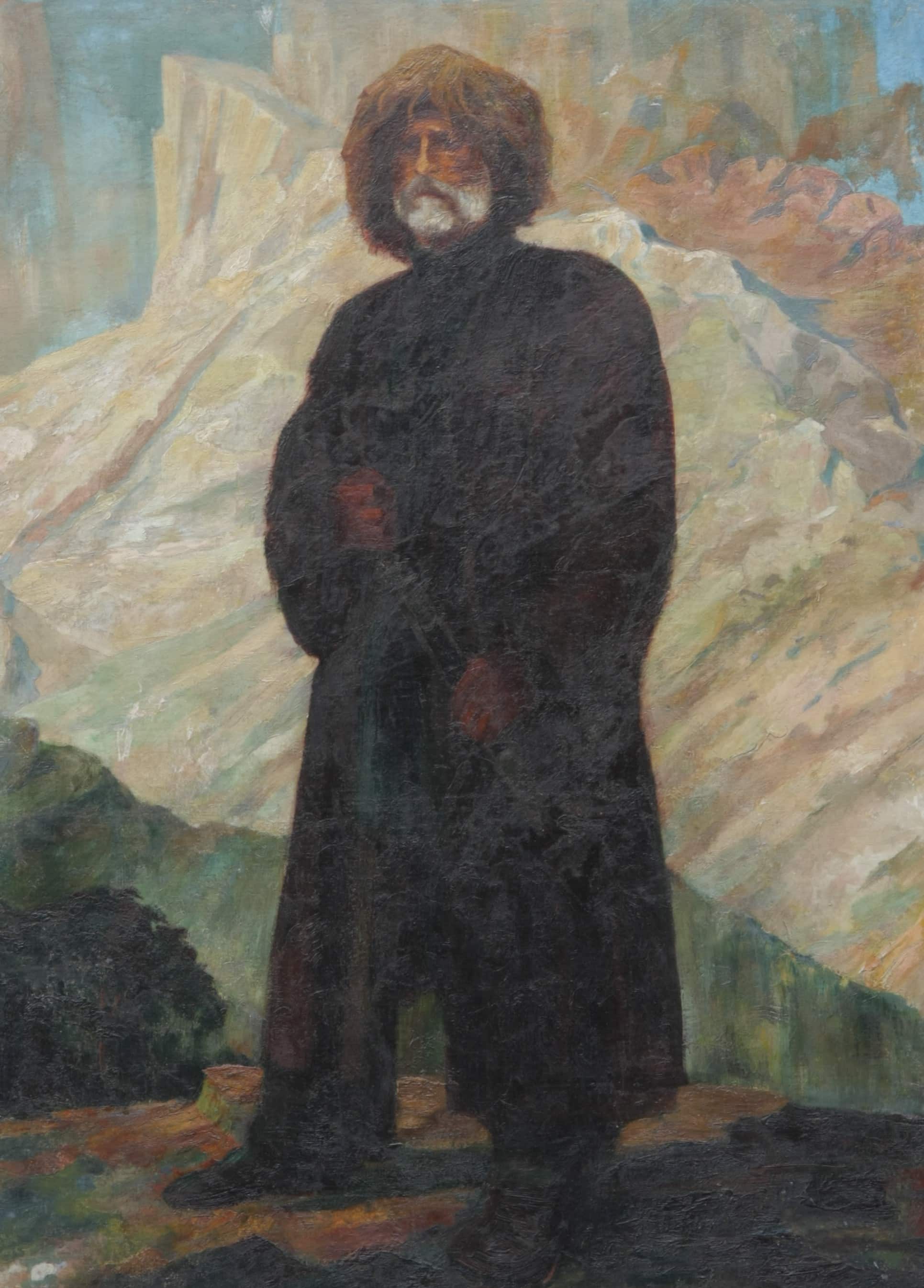
Apollon Kutateladze. Portrait of Vazha-Pshavela. Canvas, oil. 70x50. 1926
In 1922, he helped decorate one of the earliest Georgian Soviet illustrated books, Volume I of Egnate Ninoshvili's Works (1924). He provided illustrations and flytitles for the stories Moses the Writer and Wife and Husband.
He produced political posters during the same decade after joining the revolutionary poster workshop Gruzkavrost, which was the Georgian equivalent of the Russian Telegraph Agency. He worked with both Georgian and Russian language newspapers and periodicals. After graduating from the Academy, he actively collaborated with the magazine Nyangi, serving as its art editor from 1923 to 1924.
In the same years, Apollon Kutateladze worked with young sculptors, painters, and graphic designers to adorn parades, build large panels, and paint the coaches and cars of the agitation train.
Works such as 1905 in Guria (1923), Red Flag (1924), and Shooting in Alexander's Garden (1925) are examples of revolutionary art that emerged during this time. However, he also depicted the most important moments in Georgian history, Shah Abbas's Invasion of Kakheti (1923). Throughout his work, he often touched on the theme of Queen Tamar.
After moving to Moscow at the end of 1929, Apollon Kutateladze began working as an illustrator for the OGIZ[2], a publishing house for children's literature. Additionally, he served as the head artist for the State Museum of the Art of the Peoples of the East. His works included both monumental panels and easel paintings that depict battle scenes, frequently emphasizing themes of historical-revolutionary importance. Examples include The First Commune and Radio in Svaneti. He paid homage to Georgia's tragic past with pieces like The Turkish Invasion of Western Georgia and The Battle of Rukh. Museums often commissioned compositions from him, in which he portrayed scenes from the struggle for Soviet power in the North Caucasus. He also painted numerous monumental portraits of Stalin. The majority of the pieces created during this time were specifically for the exhibition of Museum of the Revolution.
Also noteworthy is Apollon Kutateladze's role in developing the portrait genre. While still in his early stages as an artist, he finished a graphic portrait of Karlo Kaladze (1930), painted a portrait of artist Tamar Abakelia (1930), and drew his own "self-portrait" in 1930. His second portrait of Tamar Abakelia was completed in 1942. Portrait of the Musician Nino Meskhi-Bagrationi is also from that time.
Additionally, in 1957, he designed sketches for the Ozurgeti Drama Theater's plafond.
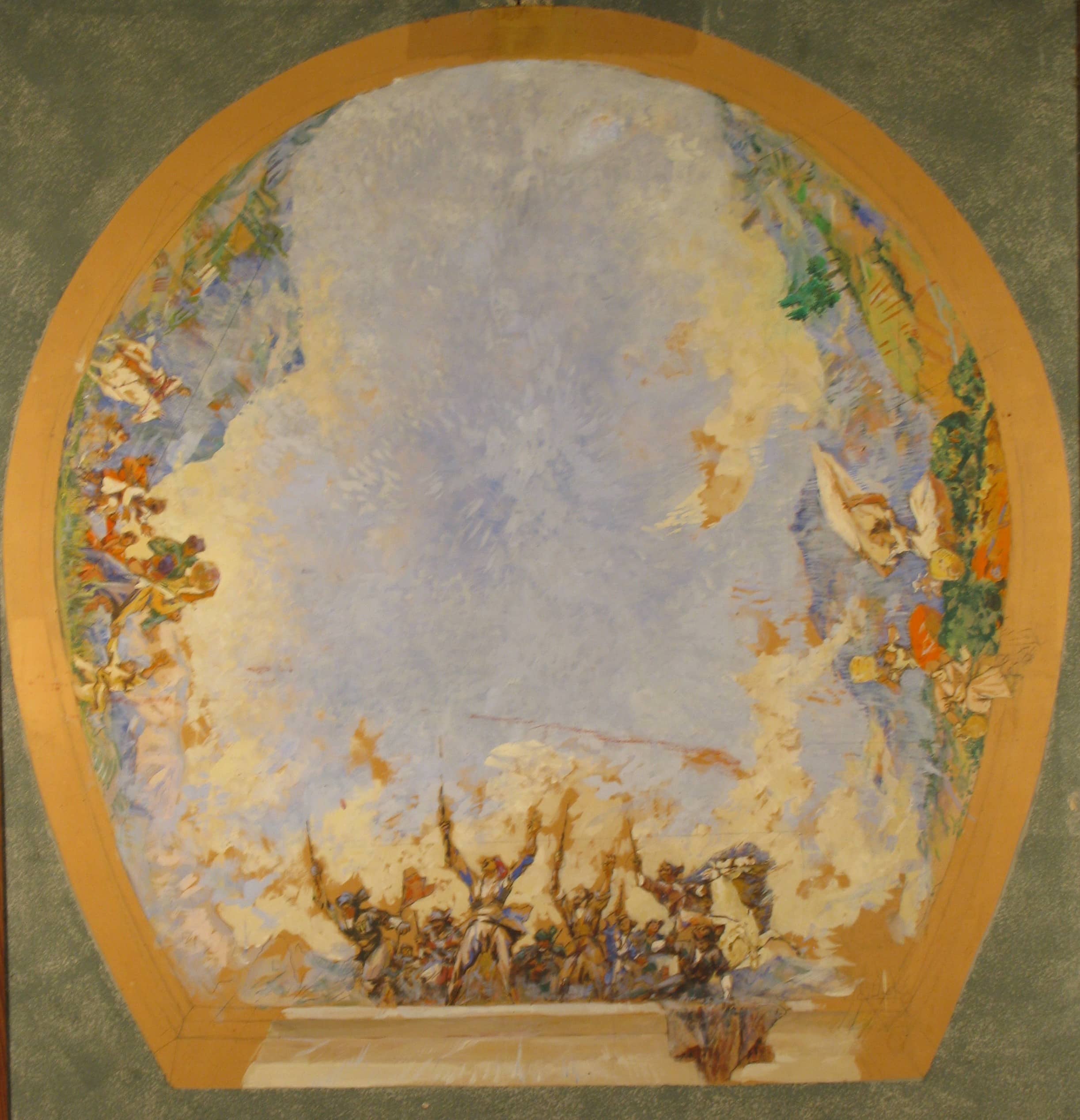
Apollon Kutateladze. Sketches for the Ozurgeti Drama Theater's plafond. Paper, tempera. 100x79,5. 1957. Collection of Georgian Museum of Fine Arts.
Tea Picking (1957), Harvest (1957), Transferring Weapons (1958), Vintage (1959), Comrade Ordzhonikidze in Lesser Kabardino (1970), are just a few of the works that the artist created in the 1950s and 1970s that portray what was supposedly the Soviet reality. Lermontov in Georgia (1959), Appointment (1966), and Nestor Kalandarishvili with Lenin (1968) are examples of the artist's figurative genre creations. Painted in a realistic manner, they are distinguished not only by their technical mastery, but also by their emotional depth and expressive power.
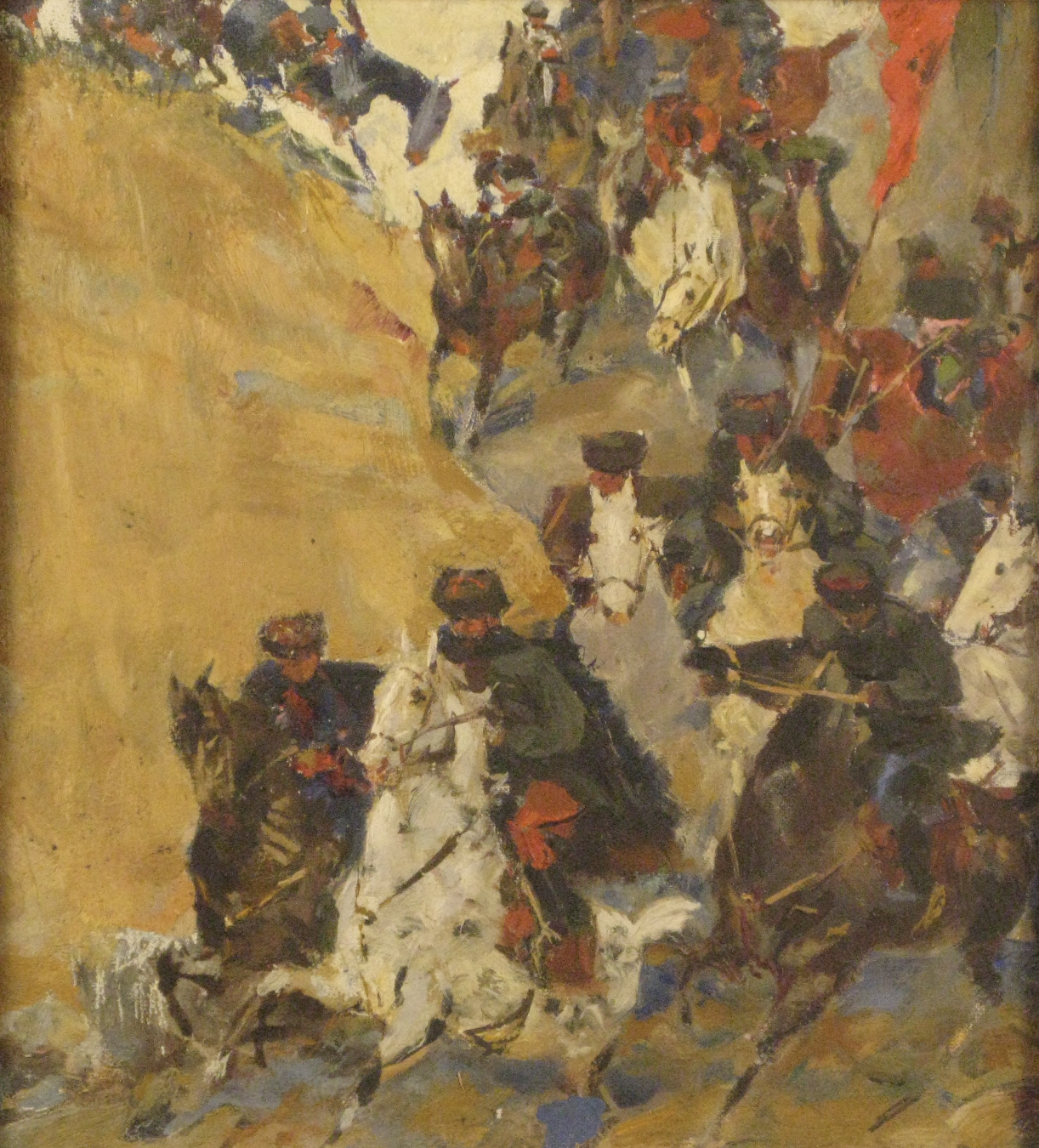
Apollon Kutateladze. Comrade Ordzhonikidze in Lesser Kabardino. Canvas, oil. 95x87,5. 1970. Shalva Amiranashvili Museum of Fine Arts, Tbilisi. #3308
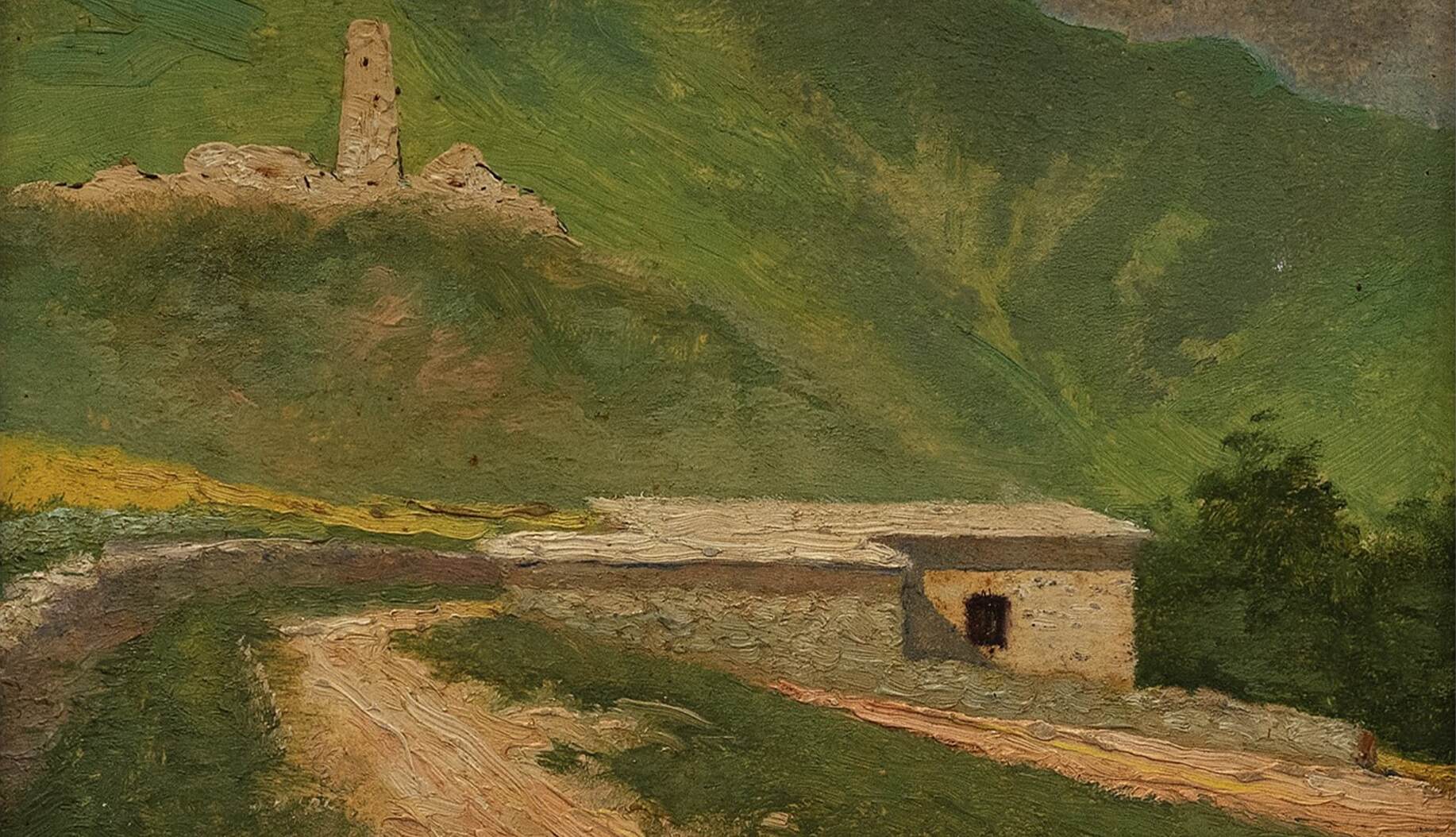
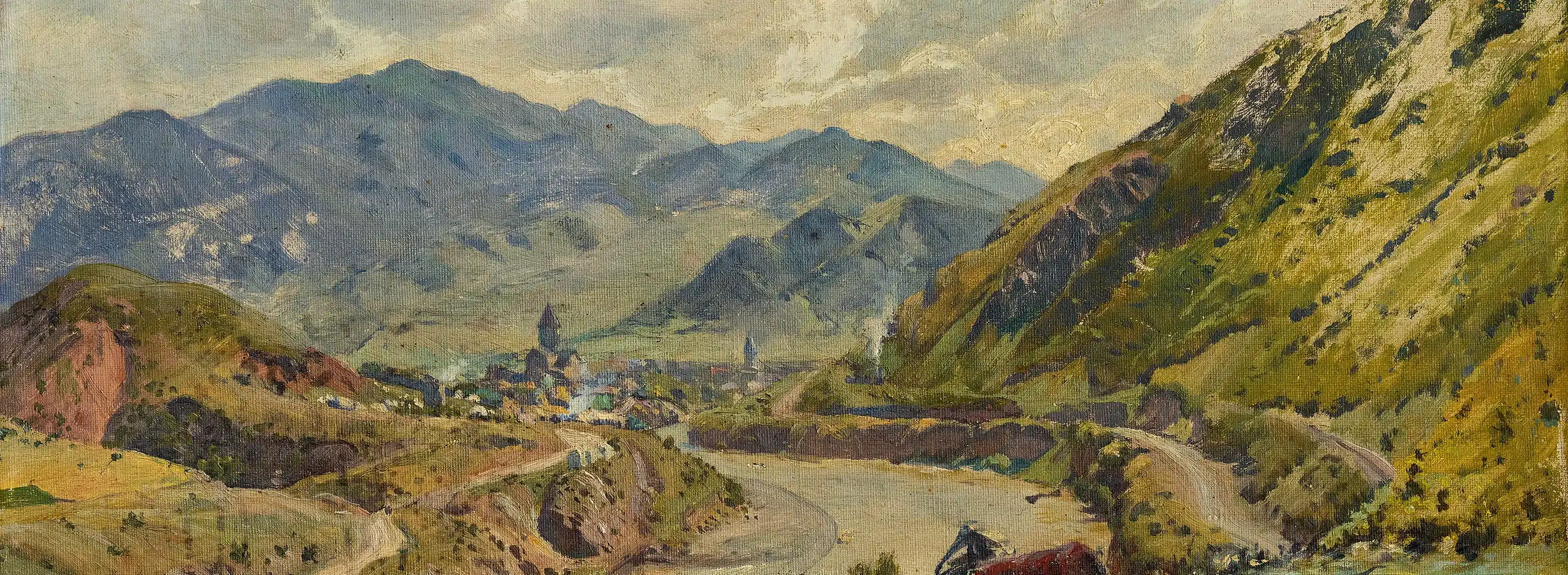
Apollon’s impressionist landscapes from the 1950s and 1960s are truly captivating. At first glance, they reveal a poetic sensibility, and yet, despite their modest dimensions, they evoke a striking sense of monumentality. Some of these works include At the Black Sea Coast (1956), Sea Wave (1958), and Sea (1957). Other notable paintings from this period are Alazani Valley (1965), Evening in the Village (1969), and Khosta (1970). These paintings have become an essential addition to the collection of Georgian easel painting due to their creative and graphical excellence. The artist's solemn demeanor, knowledge of Georgian history, and devotion to his motherland were all clear to see.
Despite spending a significant portion of his life away from Georgia, Apollon Kutateladze was actively involved in the country's cultural and public life.
After returning to Georgia, he began working in the faculty of Fine Arts at the Tbilisi Academy of Arts (1942). Monumental paintings depicting battles and similar genre themes were part of the curriculum in the courses he supervised. Students started working in the workshops in their third year, and remained there until they graduated. The teachers participated in the workshop alongside the students. Tank Battle, Giorgi Saakadze, General Konstantine Leselidze in the Mountains, and Portrait of the Artist Tamar Abakelia are among the paintings Apollon created here.
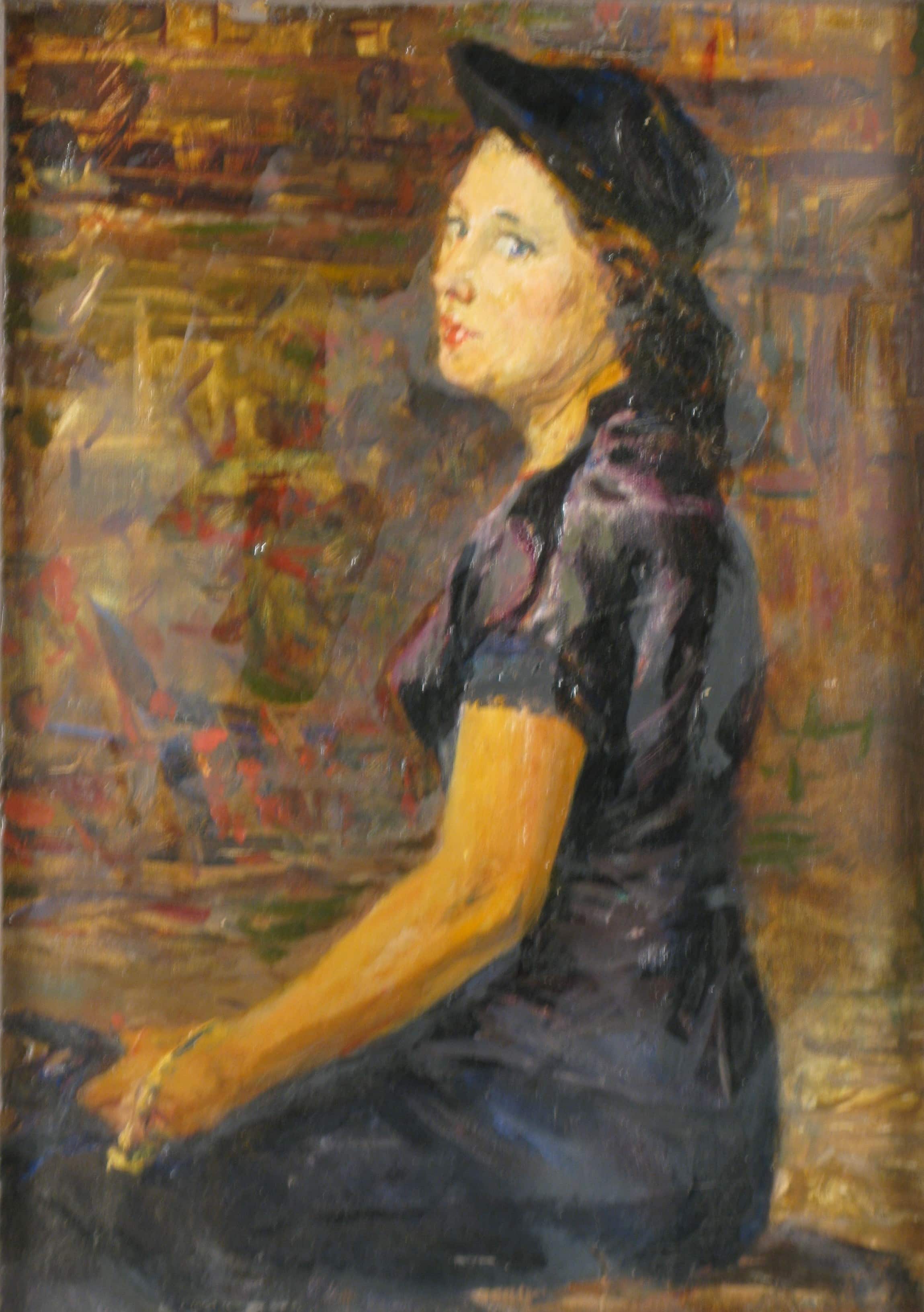
Apollon Kutateladze. Portrait of wife, Mirel Zdanevich. 1940's
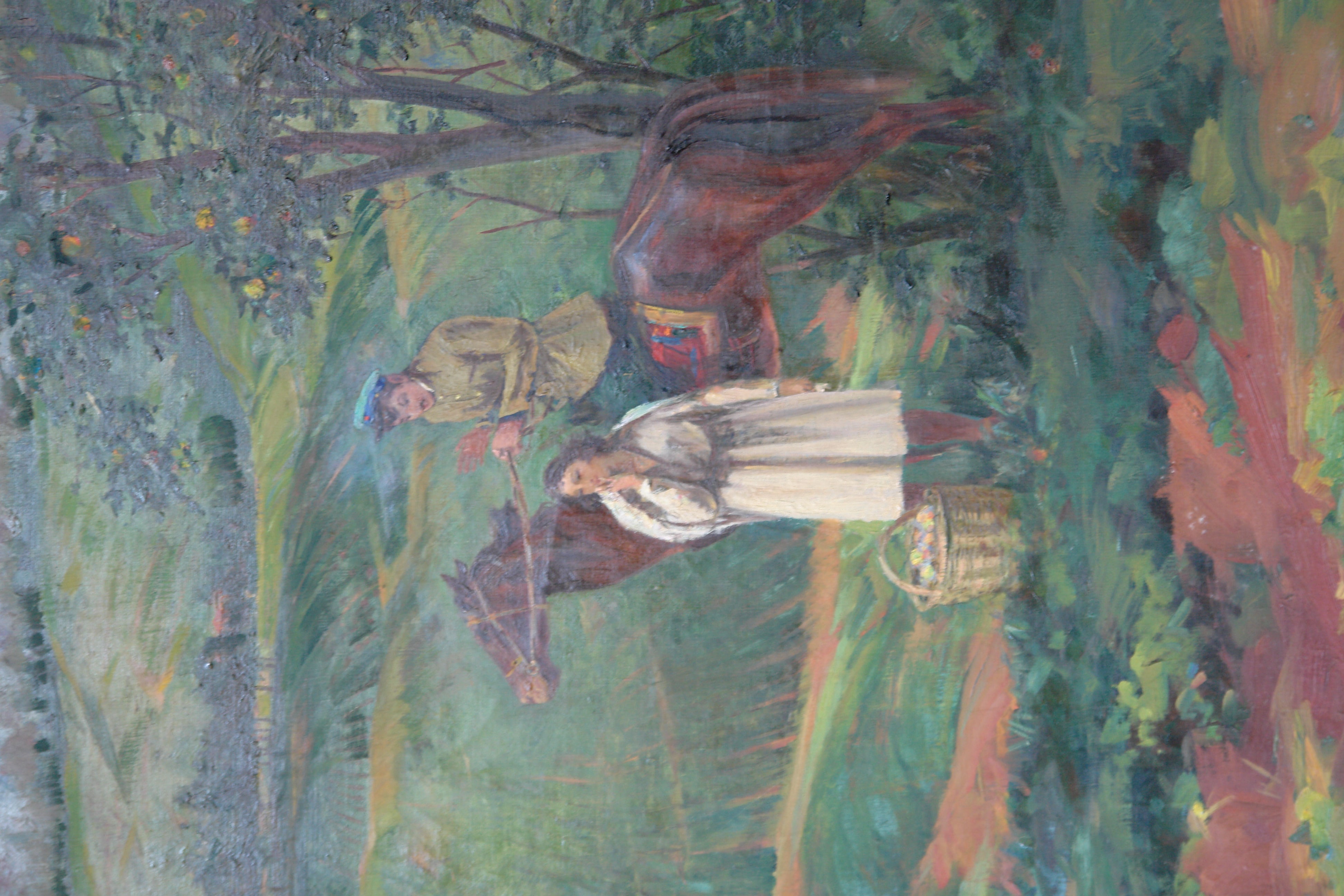
Apollon Kutateladze. Date. Canvas, oil. 100x80. 1966. National Gallery, Tbilisi
In 1959, Apollon Kutateladze was appointed rector of the Tbilisi Academy of Arts. During his tenure, the very existence of the Academy came under threat. With determination and diplomatic skill, he undertook an immense effort to preserve the institution, persuading the Soviet leadership that the Academy should not be shut down, but rather expanded to include the decorative and applied fields. The branches of industrial arts, wood and metal items, artistic modeling of garments, and the artistic embellishment of textiles were all founded because of this altruistic endeavor.
“The Tbilisi Academy of Arts became home to several new ventures, including a ceramics factory, a school, metal and woodworking workshops, an experimental bureau for architecture, decorative arts, and more. At the same time, he was also the man in charge of supervising massive building projects. The ancient structure [of the Academy] [U1] [M2] was repaired, bringing back its lost artistic and historical significance, and a new multi-story educational facility was constructed under his direction,” a 1972 television broadcast declared.
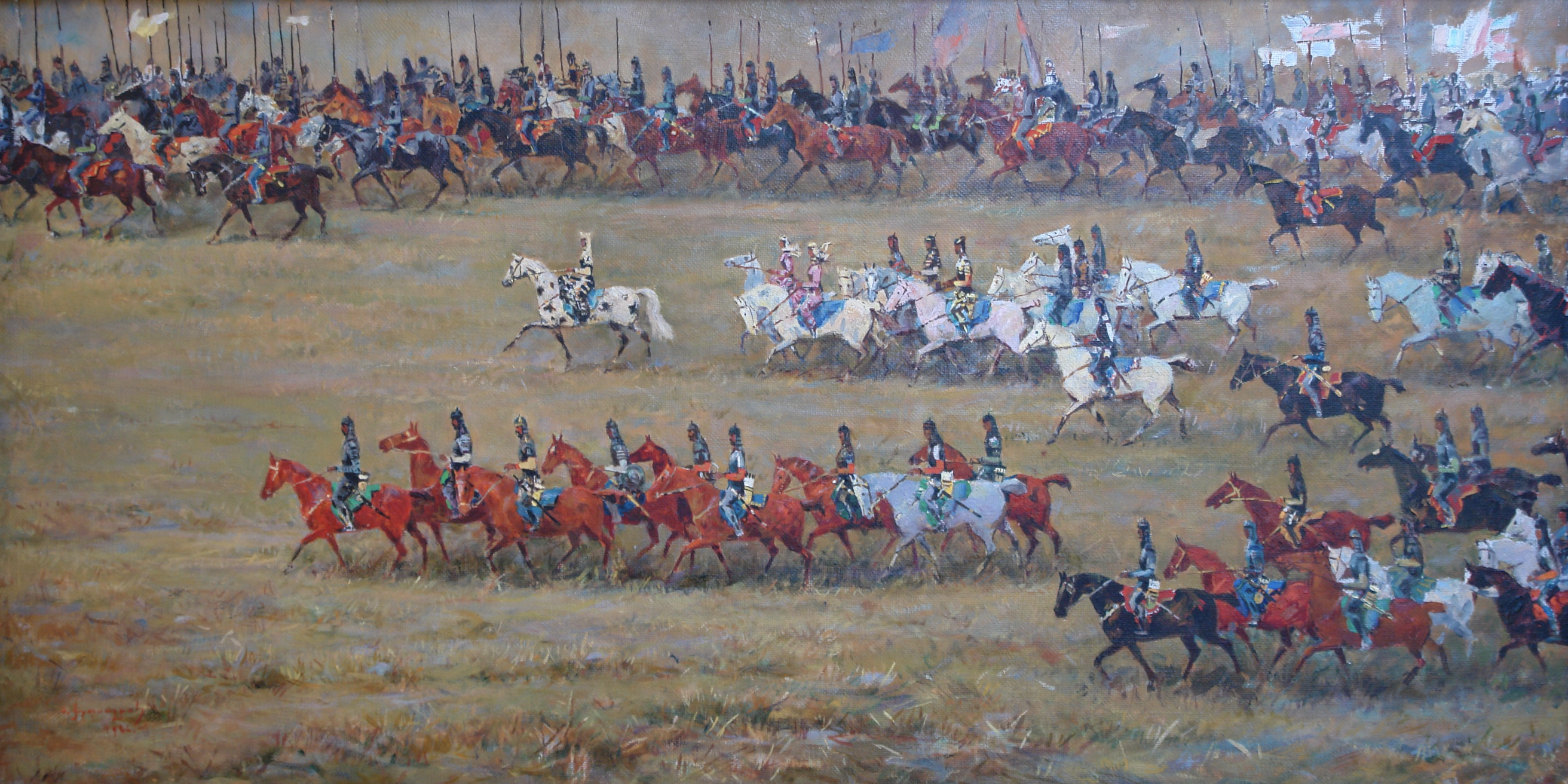
Apollon Kutateladze. Tamar's Battle. Paper, oil. 32x65,5. 1970. National Gallery, Tbilisi
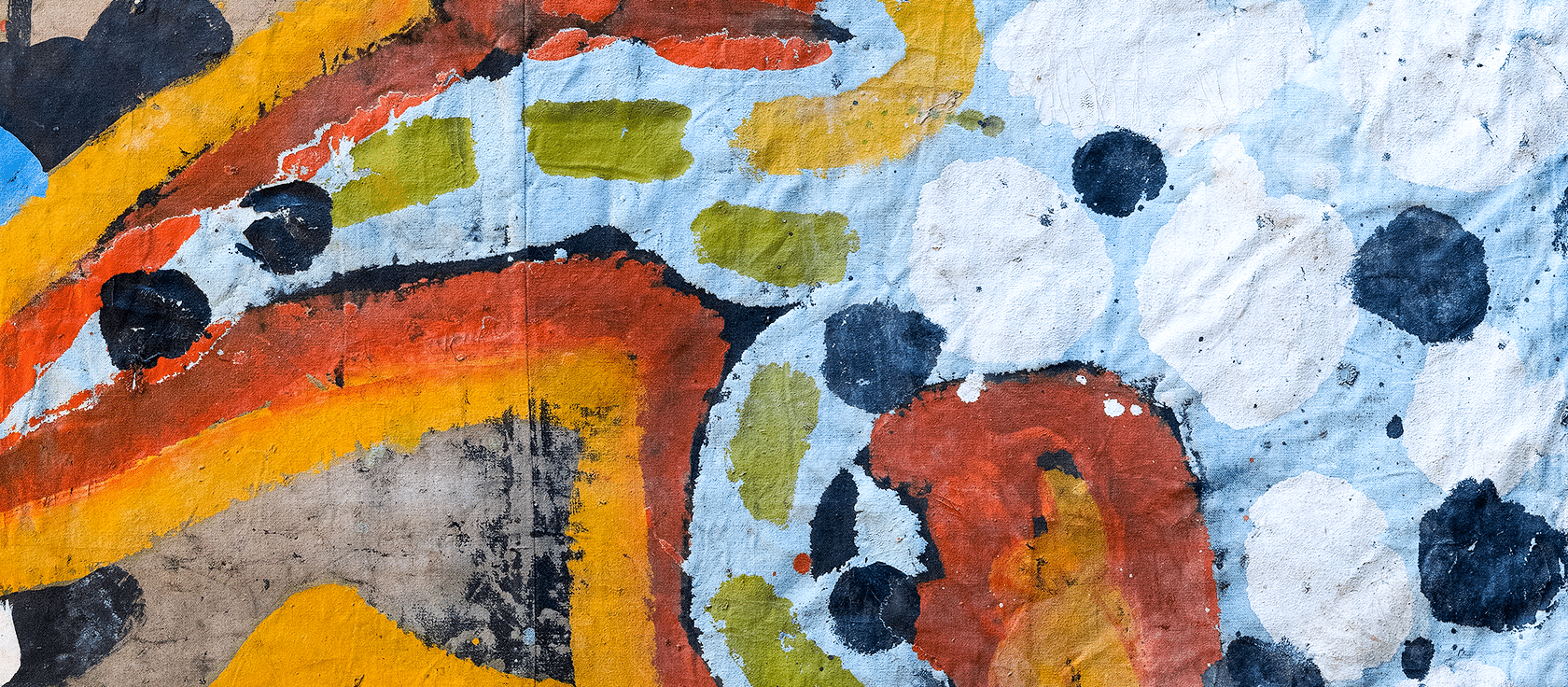
Even though the artist's creative output was somewhat suppressed by the rector's selfless and responsible work, Apollon managed to produce a number of significant and remarkable works in his final years, including Tamar's Battle, Hunting of King Tamar, and the abstract piece Decorative Motif.
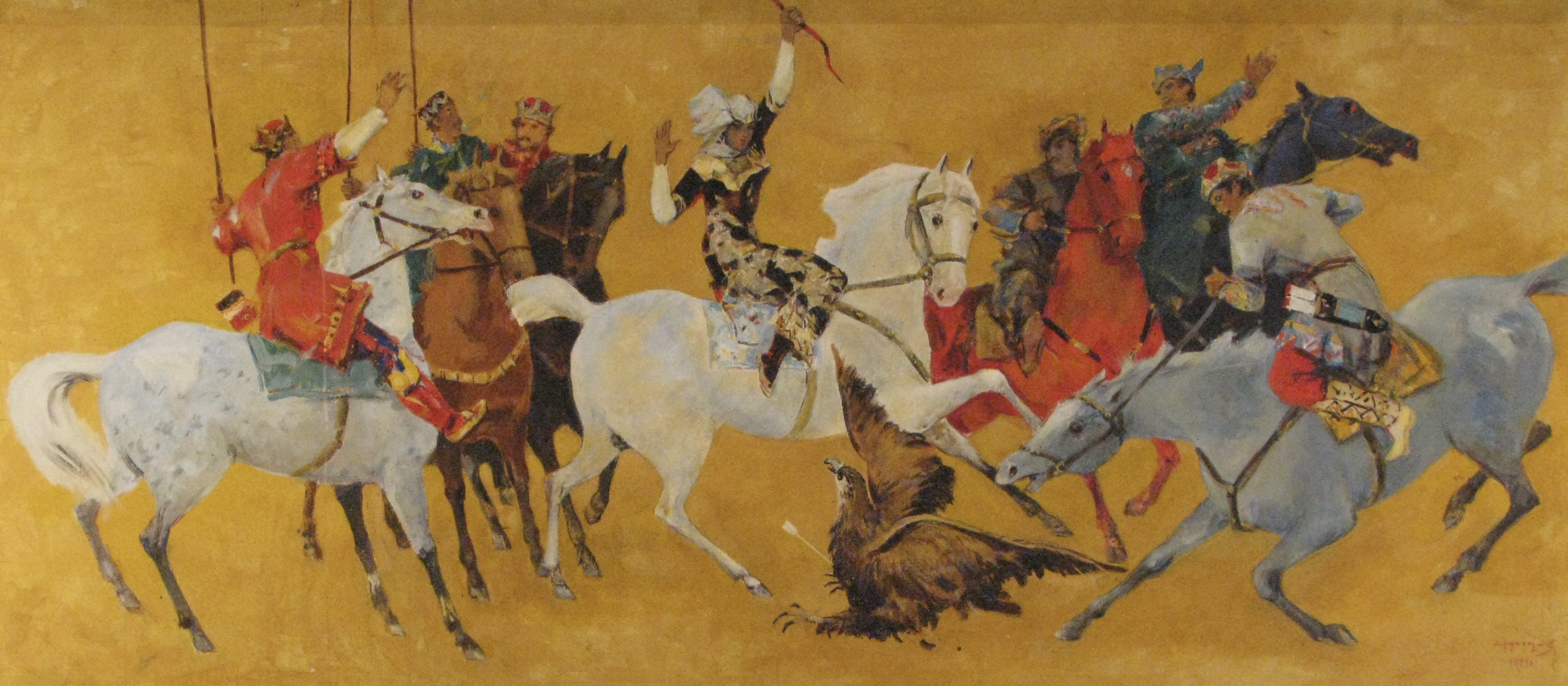
Apollon Kutateladze. Hunting of King Tamar. Canvas, oil. 60x136, 1971. Collection of Georgian Museum of Fine Arts.
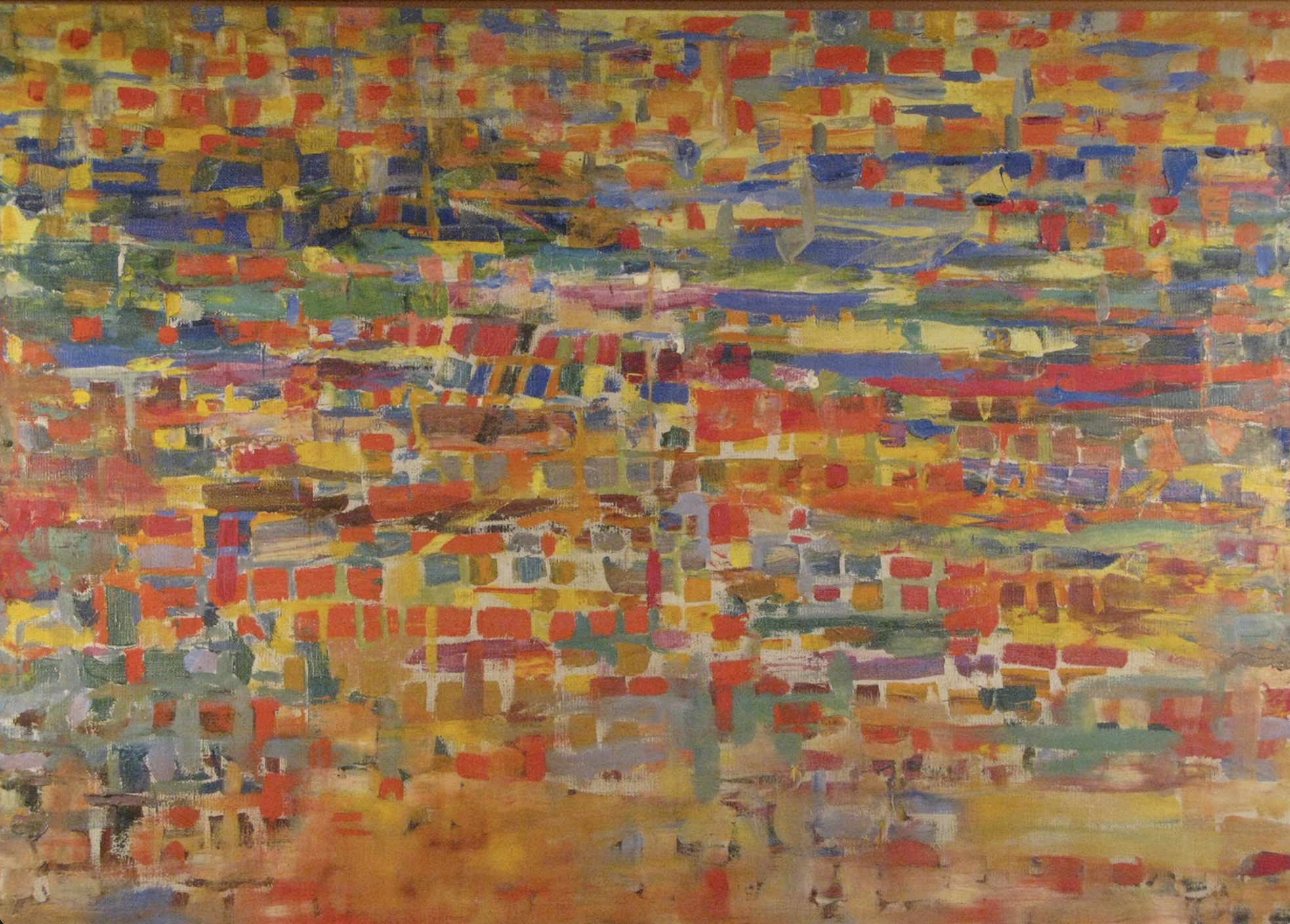
Apollon Kutateladze. Decorative Motif. 1970
Apollon Kutateladze died on June 25, 1972. He is buried in the Didube Pantheon of Writers and Public Figures.
[1] From 1929 onward, he was one of the founders and head of the Artists' Union Sarma.
From 1942, he headed the Battle and Genre Studio of the Faculty of Painting of the Academy of Arts. From the same year, he served as Chairman of the Art Foundation of the Union of Artists of Georgia.
In 1943, he was awarded the title of Honored Artist of Georgia. From the same year, he was a member of the governing bodies of the Union of Artists of the former Soviet Union and the Board of the Union of Artists of Georgia.
From 1956 to 1972, he served as the rector of the Tbilisi State Academy of Arts.
From 1958, he was a corresponding member of the USSR Academy of Arts.
From 1967, he was a member of the Board of the Union of Artists of the USSR.
In 1970, he was awarded the title of People's Artist of the USSR.
In 1972, he was awarded the title of People's Artist of Georgia. The same year, he was awarded the title of Honored Artist of the Abkhazian ASSR.
[2] The Union of State Book and Magazine Publishing Houses was established in July 1930.