.jpg)






 Share this article
The artistic and cultural life of Tiflis¹— the capital of independent Georgia between 1918 and 1921 — represents a distinctive chapter in the history of modern Georgian art. During this period, Georgian artists actively embraced emerging Western trends, successfully transplanting them into the local cultural context. As a result, a rapid evolution took place—moving from academic art, which arrived in Georgia relatively late, to modernist forms of expression.
Although Georgian modernism did not give rise to a large number of tendencies, it was marked by a remarkably high degree of individualism. Its diversity was conditioned by the unique individuality of each artist rather than a variety of movements. Kakabadze, Kikodze, Gudiashvili, Akhvlediani, Sidamon-Eristavi, Otskheli, Gamrekeli, Zdanevich, Gordeziani, and others together created the varied artistic kaleidoscope known as Georgian Modernism.
When the October Revolution and the Civil War dismantled the foundations of Russia’s bohemian life, a significant part of the Russian intelligentsia and aristocracy — “shrouded in shattered dreams and a haze of uncertainty”² — made their way from the cold expanses of Russia to free Georgia. At that time, Tiflis also became a refuge for Russian Futurists, among them Vasily Kamensky, Aleksei Kruchenykh, Igor Terentiev, and many others, who, together with the Zdanevich brothers, became actively involved in the city’s artistic life. For them, Georgia embodied the “beautiful East” about which Russian avant-garde artists wrote as early as 1913: “Long live the beautiful East! We are uniting to work alongside modern Eastern artists…”³
Emerging from within Georgian Modernism, a free environment for artistic experimentation was formed, shaped by the creative collaboration of different national forces and the integration of diverse national elements into a shared artistic system. Within this system, despite the strong individual voices and distinct national identities of the artists, a unified artistic language emerged. These qualities became defining features of the intercultural and international art form known as the Tiflis Avant-Garde.
In the late 1910s, a vigorous artistic and literary life flourished in Tiflis. A number of artistic circles were active in the city, including the Caucasian Society of Fine Arts, the Maly Krug (Small Circle) association, the Georgian Society of Artists, the Union of Armenian Artists, and a group of Tbilisi avant-garde artists who embraced Futurism. The Futurist movement was led by the Zdanevich brothers, who adopted avant-garde ideas in the early 1910s. During the same years, David Kakabadze produced his first avant-garde works — Funeral in Imereti (1913) and Cubist Self-Portrait (1914) — alongside Ziga Valishevsky’s Moving Houses (1912). These works prove that young, talented artists in Georgia were actively seeking new forms of expression, striving to creatively engage with contemporary European and Russian art, and to reinterpret it within a Georgian cultural context.
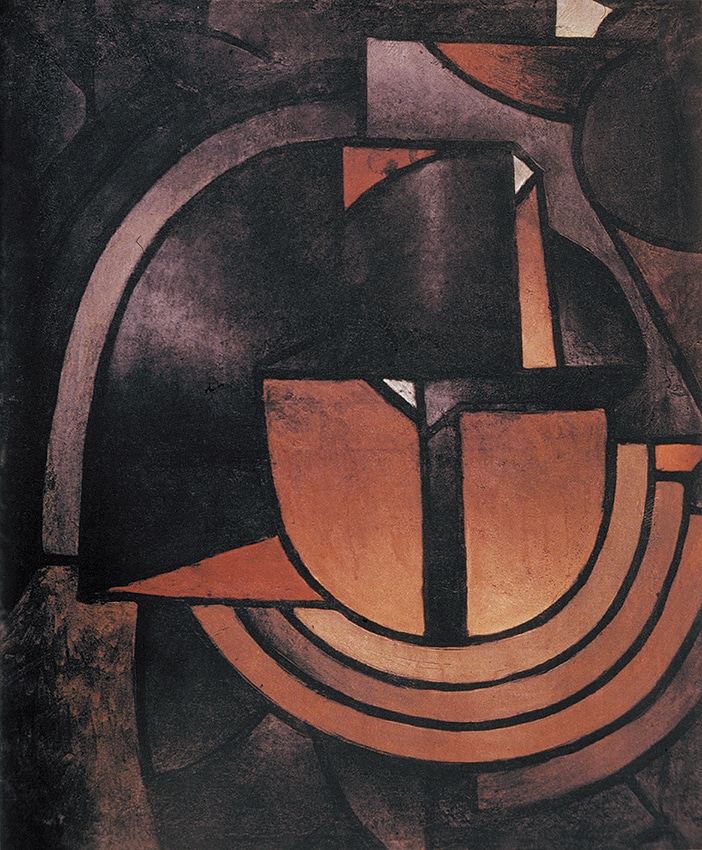
At that time, Georgia’s cultural life was led by the Tsisperqantsebi (the Blue Horns). In their pursuit of the “blue temple,” they were inspired by Symbolist poetry, yet they maintained close ties with representatives of other artistic movements. In their temperament, drive for renewal, and commitment to active cultural intervention, The Blue Horns closely resembled the Futurists. Once, their leader Paolo Iashvili wrote: “We want Georgia to become a boundless, dreamlike city, where the vibrant noise of living streets will replace the emerald stillness of flowering fields.”⁴
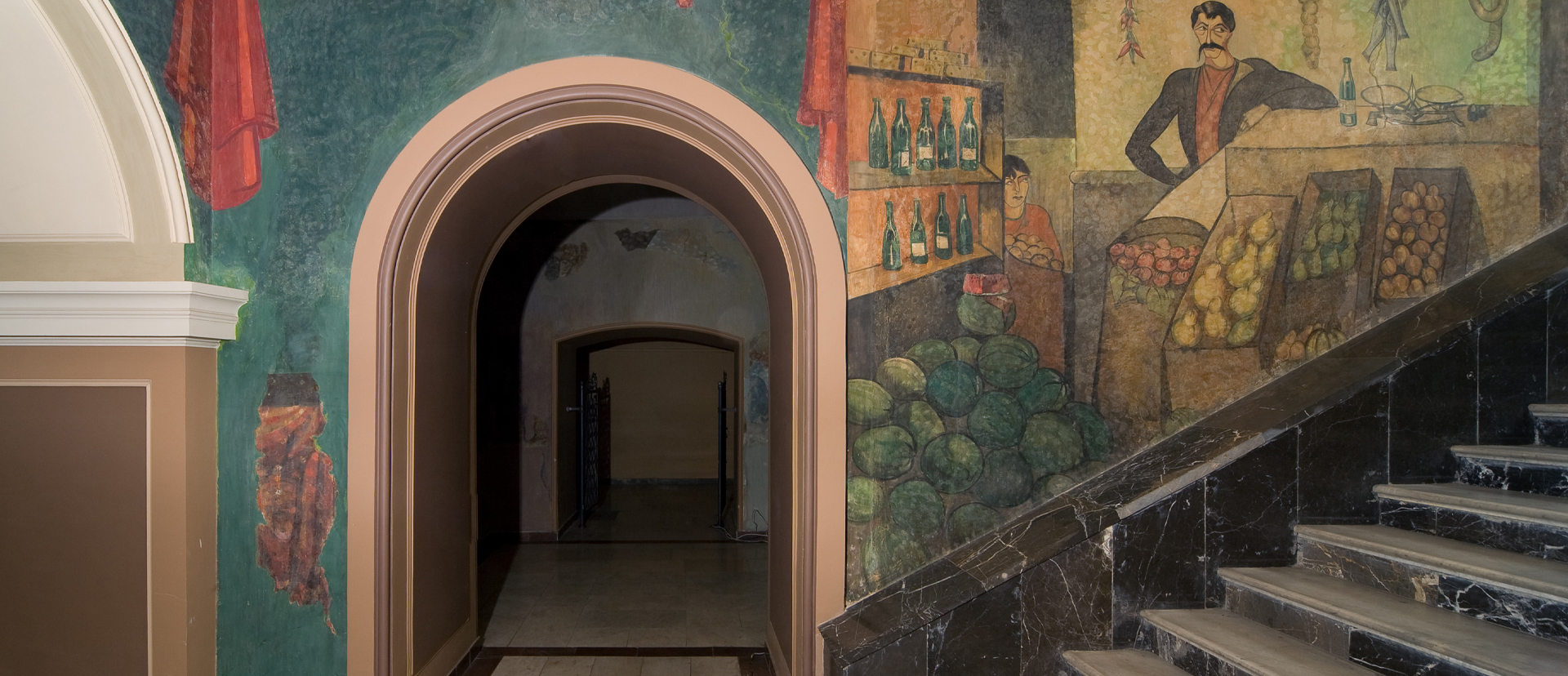
Together with artists, poets, and actors, the Blue Horns frequently gathered in literary cafés and clubs, where Tbilisi’s bohemian life reached its peak. The majority of artistic cafés were decorated with wall paintings. Here, actors, singers, and dancers gave performances; writers and poets read their works; lecturers presented their ideas; and discussions, concerts, ballet performances, theatrical and literary evenings, charity events, and benefit performances were held. It was in Tiflis’ cafes that the idea of artistic unity—long envisioned by the founders of St. Petersburg’s café-cabarets—was most fully realized. Here, the distinction between performer and audience dissolved: events frequently unfolded around the tables, and spectators actively participated in the course of the evening. In these spaces, a true synthesis of the arts was achieved. Music, theater, dance, painting, poetry, and prose converged, and it was precisely here that each new artistic utterance first found its voice.
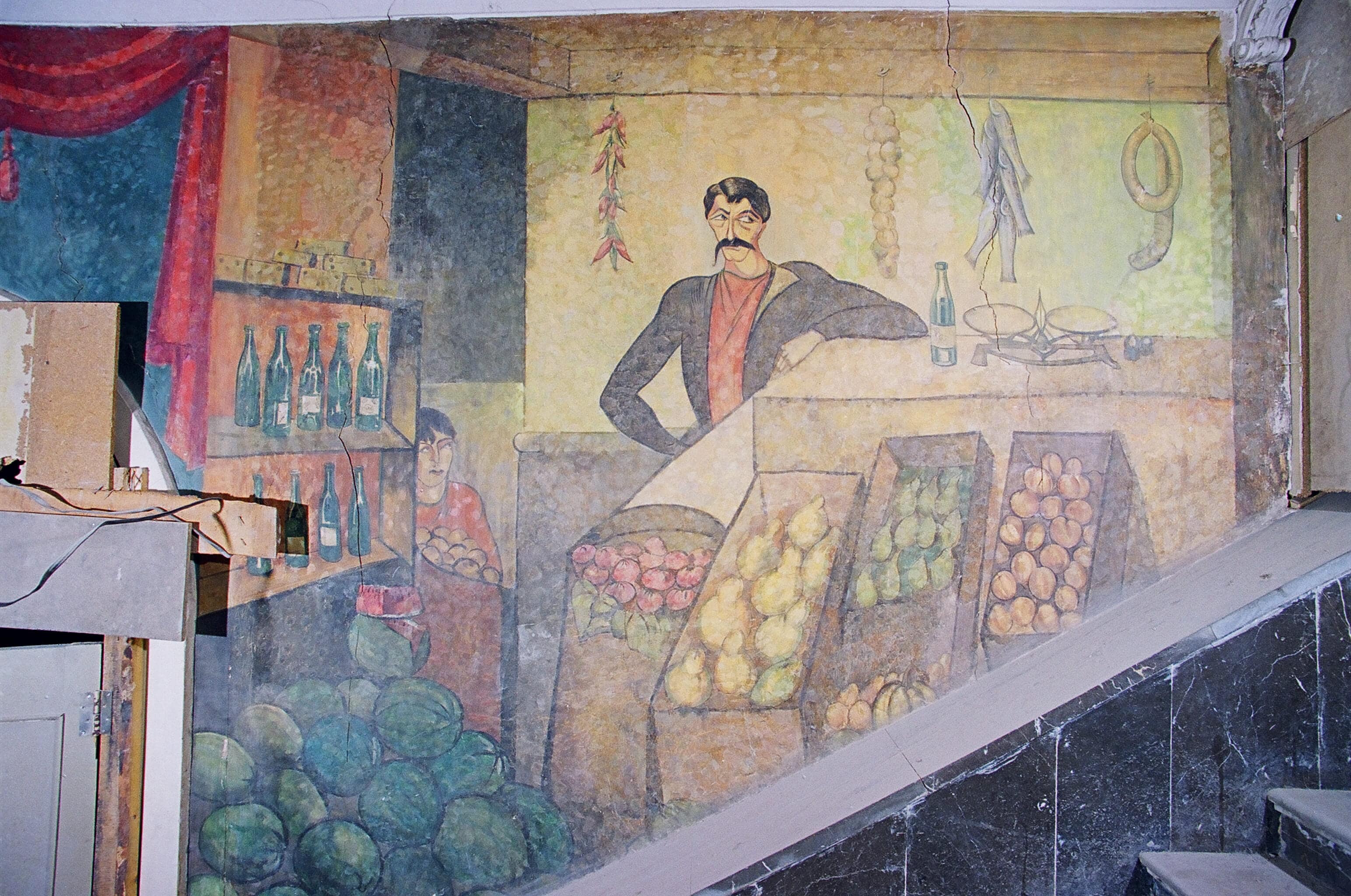
The literary cafés of Tiflis emerged in the wake of the café-cabarets of Paris, St. Petersburg, and Moscow. The first café-club, Fantastical Tavern, was founded in 1917 on the initiative of the poet Yuri Degen, together with artists and poets. Its interior design involved the participation of several painters, sculptors, and poets. In 1918, another popular bohemian-style studio, The Argonauts’ Boat, opened in Tiflis. Decorated with frescoes by Lado Gudiashvili and Kirill Zdanevich, it became the main meeting place of the Acmeists—the Tbilisi Guild of Poets.
Alongside these venues, the café Peacock’s Tail operated in Tiflis as a gathering place for Acmeists, Symbolists, and Futurists. Its walls were adorned with paintings by Kirill Zdanevich and Ziga Valishevsky. The city was home to numerous other cafés as well—Brotherly Solace, A Cup of Tea, International, Imedi, Georgian Club, Café-Hall, and the halls of the Artistic Society, among many others—where artistic circles gathered and immersed themselves in the vibrant bohemian life of the capital.
The Blue Horns became the standard-bearers of this bohemian lifestyle. In 1919, they founded the artistic café-club Kimerioni, which became one of the most significant phenomena in the artistic life of Tbilisi—despite existing for only two years. “There is probably no café in the entire world that contains as much inspiration and creativity as Kimerioni,”⁵ wrote Titsian Tabidze.
The decoration of Kimerioni was directed by the renowned Russian artist Serge Sudeikin, who executed the majority of the frescoes. Prior to this, Sudeikin had already designed several cafés in Russia. Georgian artists Lado Gudiashvili and David Kakabadze joined him to complete the Kimerioni project, resulting in an organic merging of modern Russian and Georgian painting. Although the individual artistic styles of the participating artists were clearly discernible, the wall painting obeyed a unified ensemble, creating an overall theatrical atmosphere imbued with a subtle sense of mysticism.
Public speeches and lectures on a wide range of topics were regularly delivered in Tiflis, reflecting the diversity of subject matters and artistic ideologies of the speakers. For example, the magazine ARS (1918) reported that, within a short period, lectures were presented on subjects such as: Russian Symbolism by S. Gorodetsky; Andrei Bely by G. Robakidze; and Cézanne and the fourth dimension in painting by M. Khristoganov. There were also multiple talks on The Blue Horns by Robakidze, Iashvili, and Arsenishvili.
Lectures were also held within the framework of the “Futurvseuchbishe” lecture series—a Futurist educational initiative. Among the speakers were Ilya Zdanevich, who presented lectures entitled Zaum Poetry and Poetry in General and Internationalism and National Art, and Aleksei Kruchenykh, who spoke on The New Language and The Word as Such. Excerpts from Futurist literary works were also read during these sessions. At the Fantastical Tavern, alongside representatives of “Vseuchbuch,” speakers included Yuri Degen, Kharazov, Robakidze and Katanian.
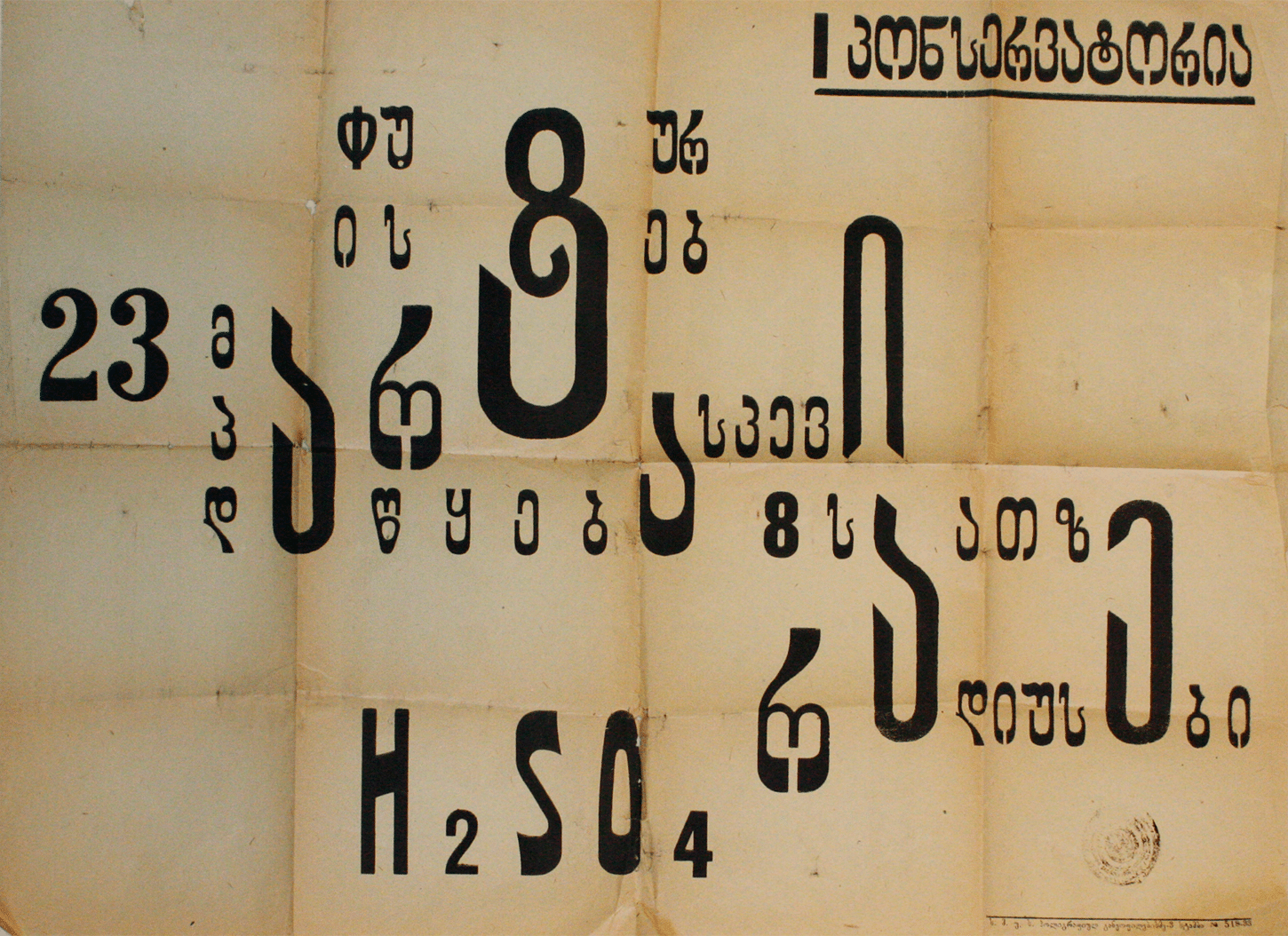
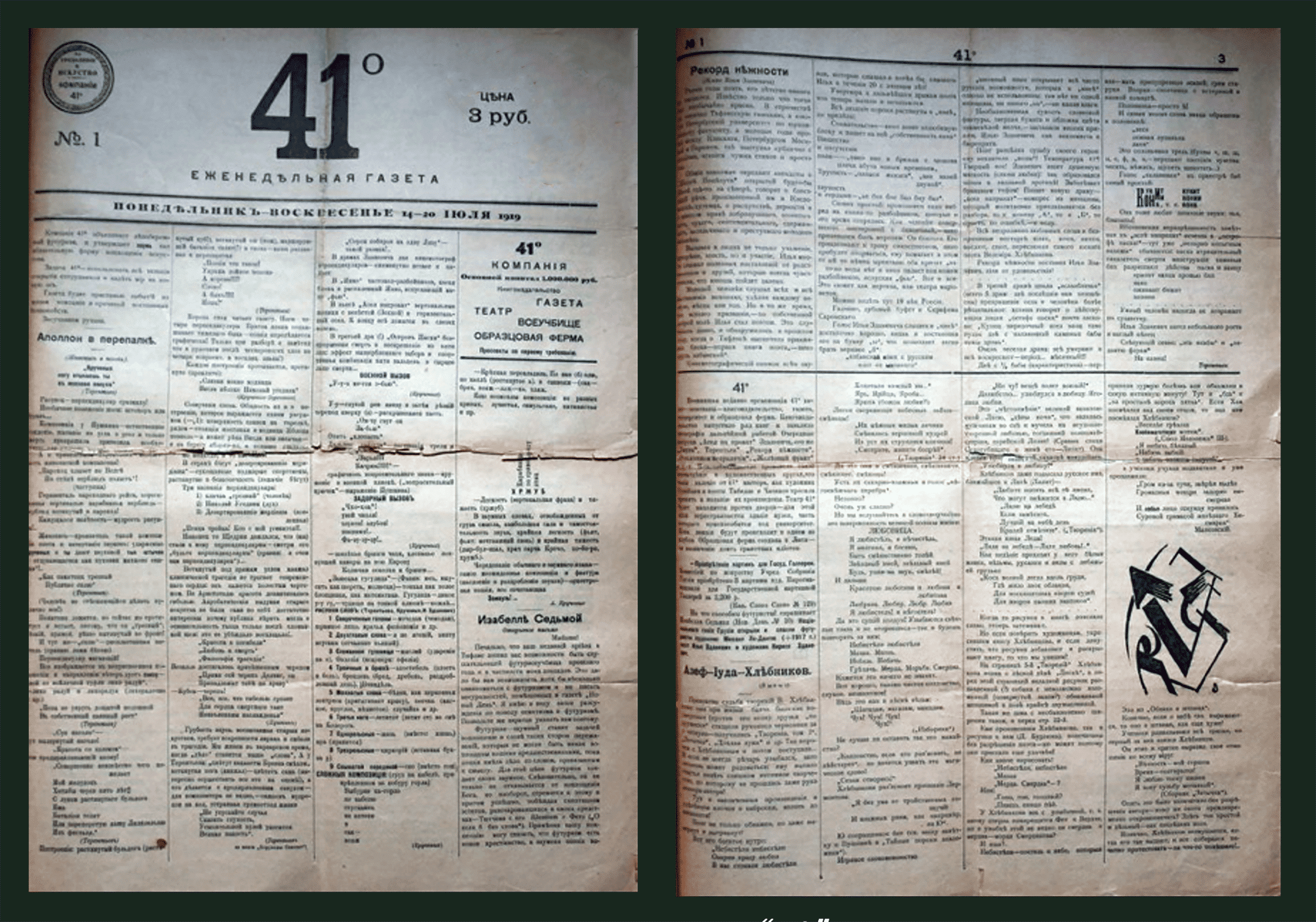
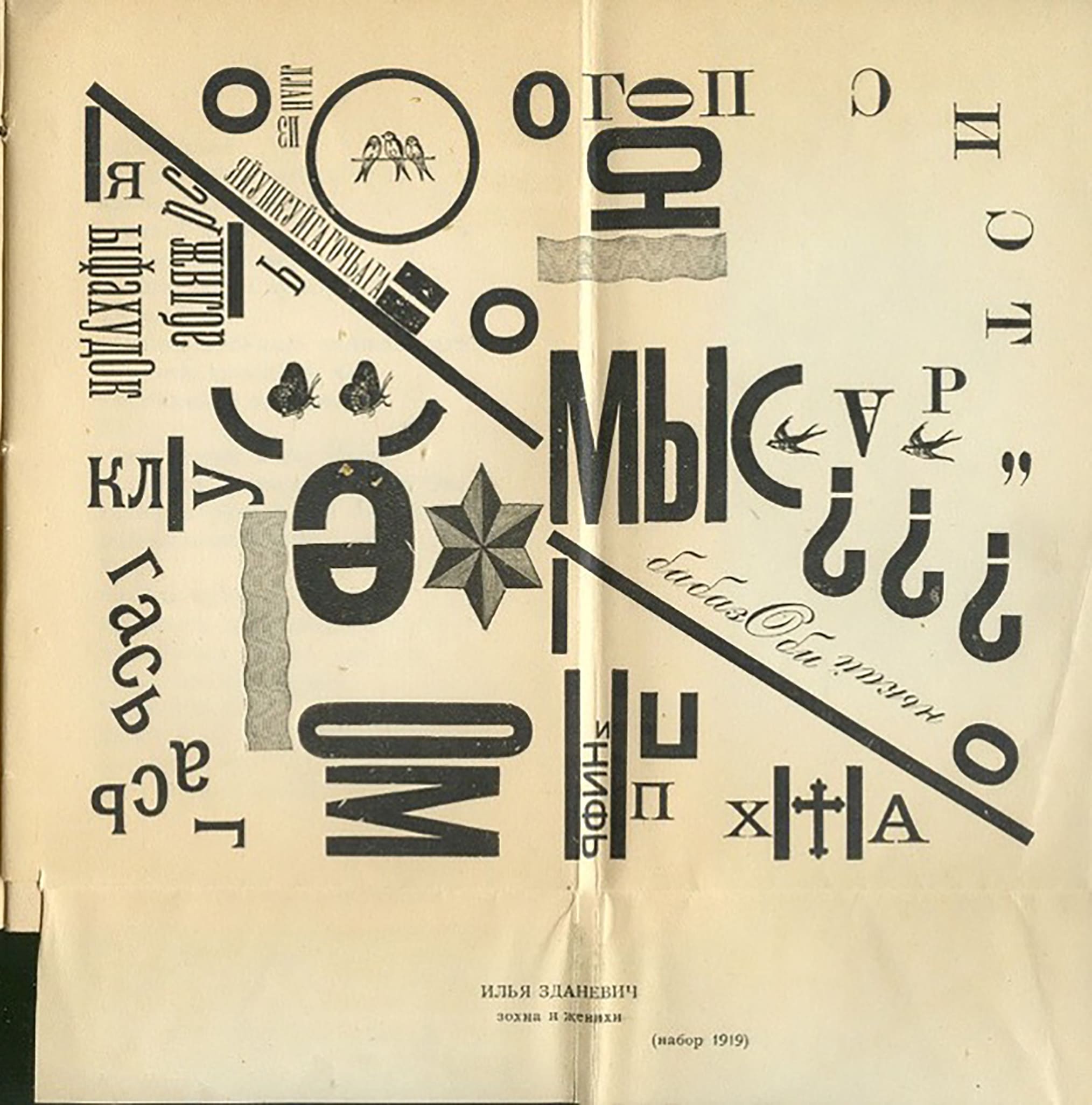
One of the most compelling examples of intercultural exchange was the collaboration between local and foreign artists and avant-garde poets. In 1918, Futurist poets and artists—including Ilia and Kirill Zdanevich, Kara-Darvish, Aleksei Kruchenykh, Chernyavsky, and Lado Gudiashvili—founded an organization known as the Futurists’ Syndicate in Tiflis, which soon fragmented into several groups. One of them formed the association “Futurvseuchbishche,” while Ilia Zdanevich, Kruchenykh, and Igor Terentiev established a new group called 41°. The avant-garde poet Ilia Zdanevich played a pivotal role in the founding of this group and in the development of avant-garde poetry overall—first in Tiflis and later in Paris. He is also regarded as the founder of Dada in Georgia. It was precisely the radical linguistic, poetic, and typographic experiments carried out by Ilia Zdanevich and the group 41° within the context of the Tiflis avant-garde that make it possible to speak of a Dadaist movement in Georgia.
At that time, Tiflis lagged behind the pace of Western modernization, yet its cultural and historical background gave it a distinct sense of phantasmagoria. The city resembled a Persian carpet woven of many colors, in which every element occupied its proper place and contributed to a larger harmony. The Asian–European city of Tiflis was saturated with diverse sounds, scents, clothes, languages, and traditions. Here, East and West truly converged, giving rise to a city of unique character and atmosphere.
As noted, during the second half of the 1910s, Russian and Georgian avant-garde artists emerged in Tiflis, further enriching its cultural diversity with their innovative visions. The city was often referred to as “Little Paris,” and, in many ways, it played a comparable role in the Caucasus to that of Paris in Europe at the beginning of the century. Tiflis became a cultural hub for both Russia and the Caucasus, attracting an elite artistic community where creative energies found vibrant expression in the city’s unique cultural life. In this “fantastic city,” the leading figures of avant-garde art were the Zdanevich brothers, who served as a vital bridge between the Russian and Georgian avant-garde movements.
At the beginning of the twentieth century, Tiflis hosted a number of remarkable exhibitions. In 1919, an exhibition organized by Maly Krug included works by, Bazhbeuk-Melikov, Valishevsky, Gudiashvili, Sudeikin, Sorin, Salzmann, Lansere, and others. In 1918, the Futurists’ Syndicate held the Exhibition of Moscow Futurists, presenting 145 works by David Burliuk, Natalia Goncharova, Nikolai Kulbin, Kirill Zdanevich, Olga Rozanova, Kazimir Malevich, Pavel Filonov, Aleksandr Shevchenko, Lado Gudiashvili, Vladimir Tatlin, and others. the journal Phoenix reported, another exhibition featuring works by Lado Gudiashvili and Aleksandr Bazhbeuk-Melikov was also organized that same year.
Modernist artists were exhibited both in small clubs and in large-scale group exhibitions. For instance, nearly all artists active in Georgia were represented at the exhibition organized by the Society of Georgian Artists in May 1919. It was at the Society of Georgian Artists’ Spring Exhibition of 1919 that David Kakabadze, Shalva Kikodze, and Lado Gudiashvili were selected as the most outstanding artists and sent to Paris to engage directly with European art and to further develop their artistic skills. The Parisian period in the careers of these artists played a decisive role in the formation and advancement of Georgian modernism.
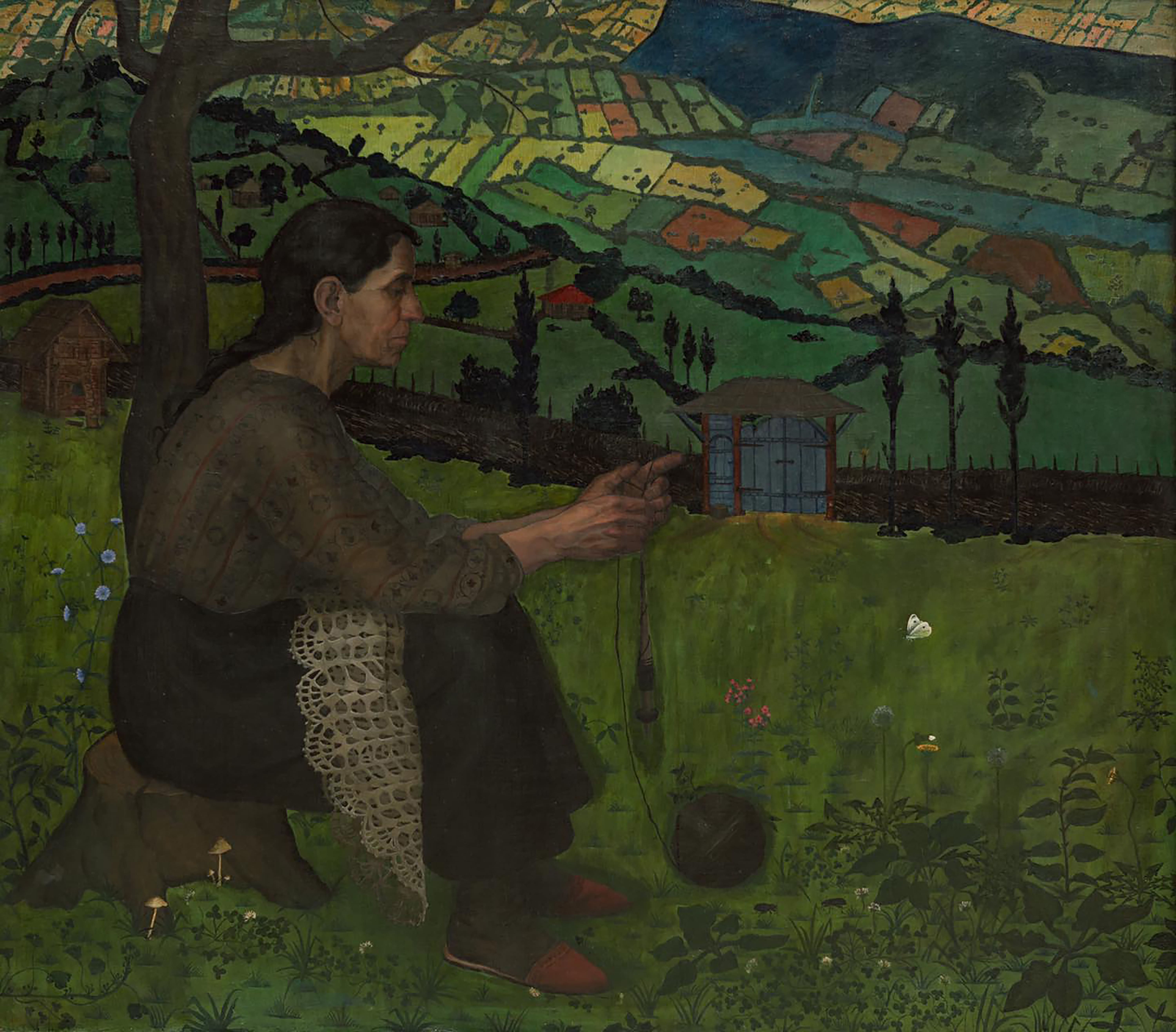
A close examination of the works presented at the exhibition reveals that Kikodze was already developing a pronounced interest in German Expressionism and the French avant-garde. Lado Gudiashvili appeared here as a fully formed artist with a clearly defined personal style. His stylized linearity and the overall musical–plastic rhythm of his compositions reflect both his fascination with Persian miniature painting and the influence of Georgian mural traditions. In David Kakabadze’s Imereti – My Mother (1918), one of the most significant works he exhibited, the portrait of the artist’s mother still bears the imprint of academic painting. Yet the overall pictorial conception—particularly the treatment of the background—reveals Kakabadze’s aspiration for avant-garde. This trend becomes even more pronounced in his contemporary Imeretian landscapes, where, although he had not yet fully embraced non-objective art, his use of Cubist geometricism clearly reveals this tendency.
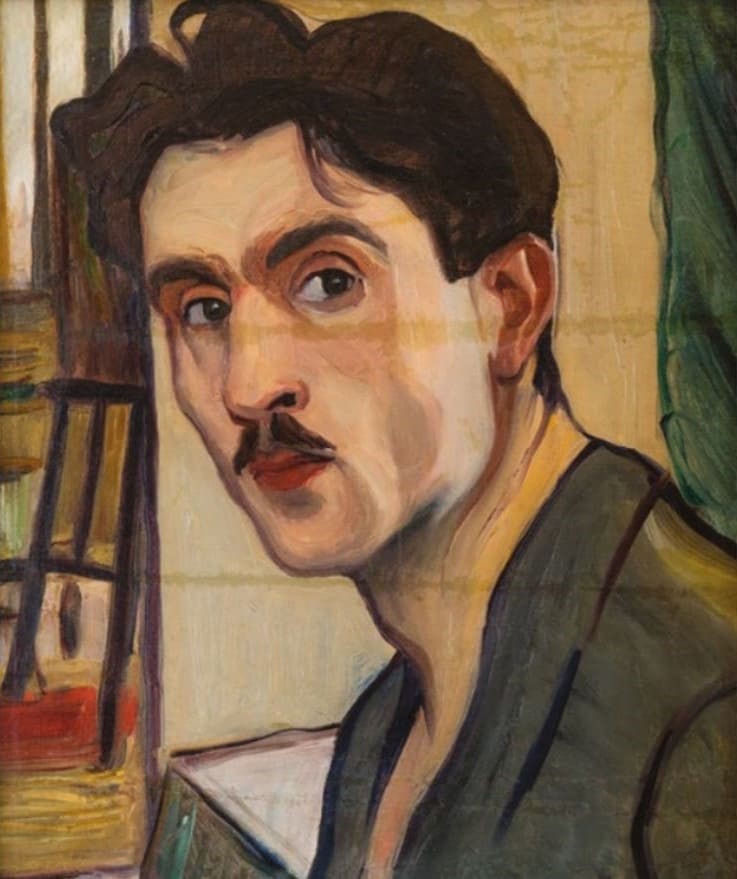
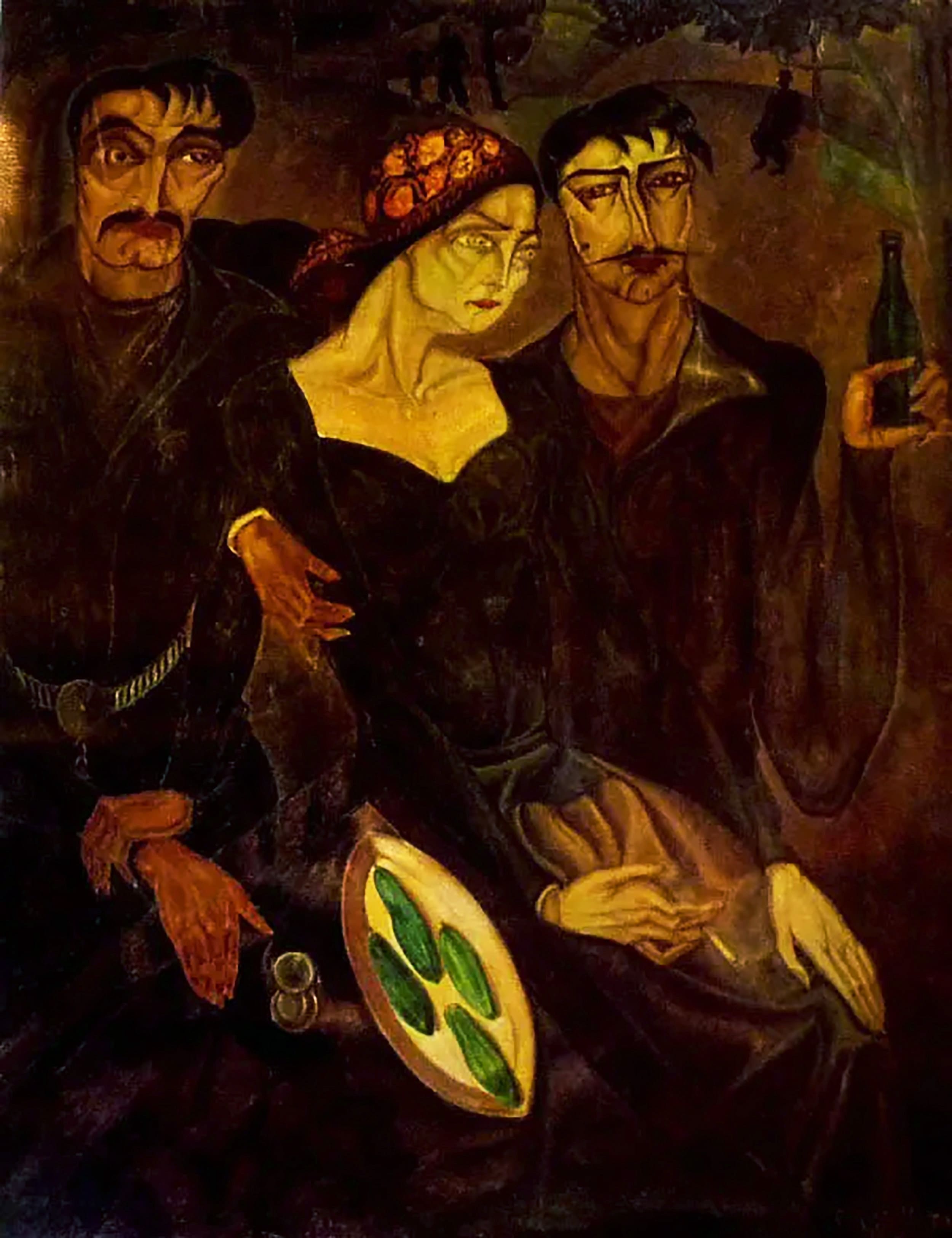
In 1918, the Futurists’ Syndicate organized an exhibition of works by Kirill Zdanevich dating from 1912 to 1916. The exhibition catalogue opened with an introductory essay by Aleksei Kruchenykh and Eli Eganbyuri (Ilia Zdanevich). In the text, the authors described Kirill Zdanevich’s painting as “orchestral painting” and, comparing him to Mikhail Larionov—an artist known for working in a variety of styles—argued that Zdanevich went even further. In their view, he succeeded in combining multiple stylistic languages within a single canvas,⁶ thereby creating truly orchestral “new forms of beauty.”⁷
In 1924, Georgian writers, poets, and artists published the Futurist Almanac H2SO4⁸ . This publication was another attempt to break through the established boundaries of literature, poetry, and painting, and to construct a new artistic “reality” in which experimentation and play assumed a central role.
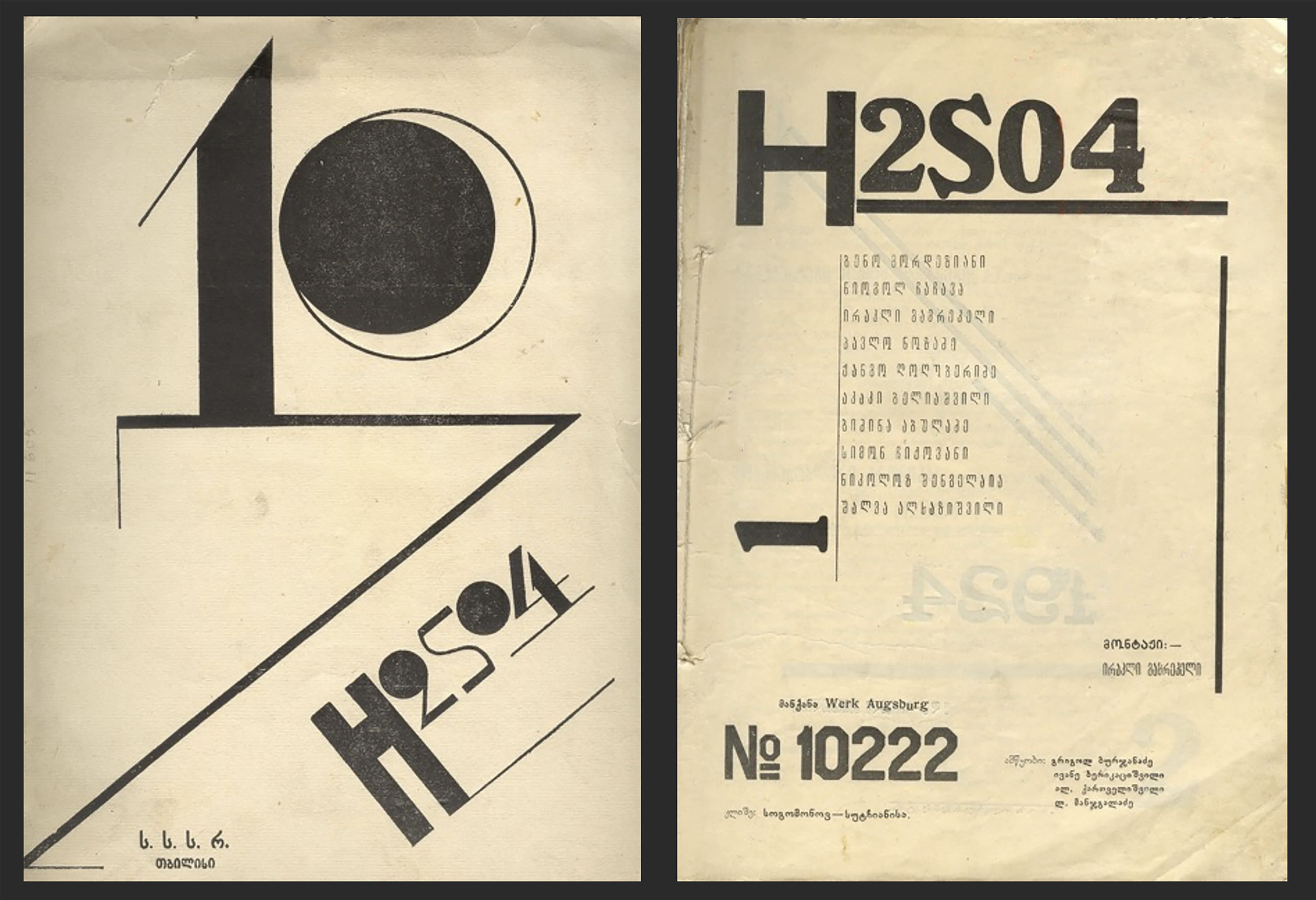
The almanac clearly reveals the Georgian avant-garde’s turn towards Dadaism. One of its principal authors, Simon Chikovani, wrote: “A Dadaist fog was drifting in from Paris and Moscow. During this season, Productivist Futurism and Constructivism emerged […] We found ourselves on the front line of poetry—between Productivist Futurism, Constructivism, and Dada. …We opened a new laboratory of speech, where the possibility of several experiments was decisively posed. After the epochs of revolution, a need for a new mode of speech arises. In this sense, our Dada, while serving to destroy the past, also adopts a method of creative practice…”⁹
Avant-garde explorations were reflected in the paintings and graphic works of Mikheil Gotsiridze, Beno Gordeziani, Irakli Gamrekeli, Ema Lalaeva, and others during the 1920s. Under increasing political pressure, the further development of the Georgian avant-garde was soon stopped.
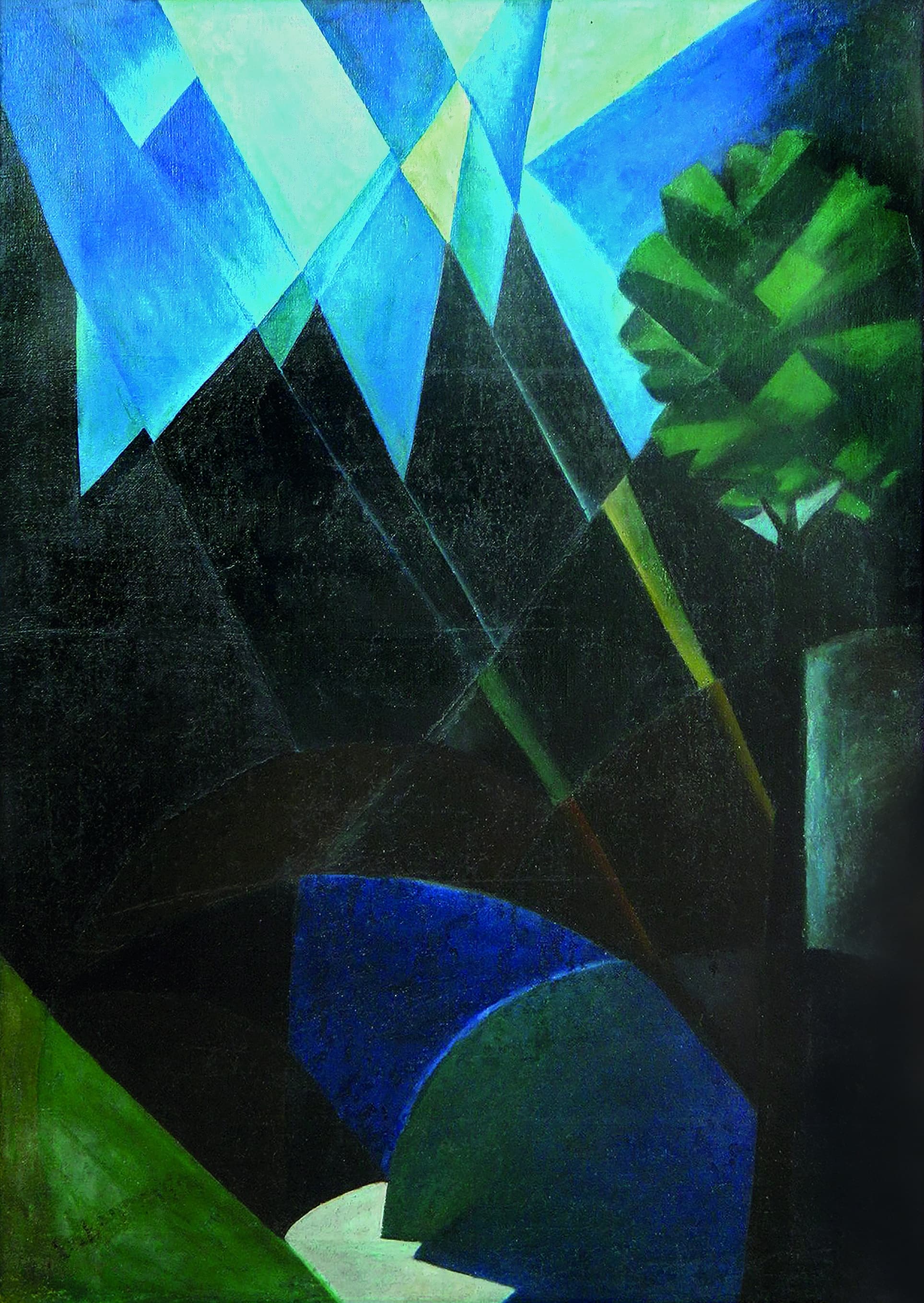
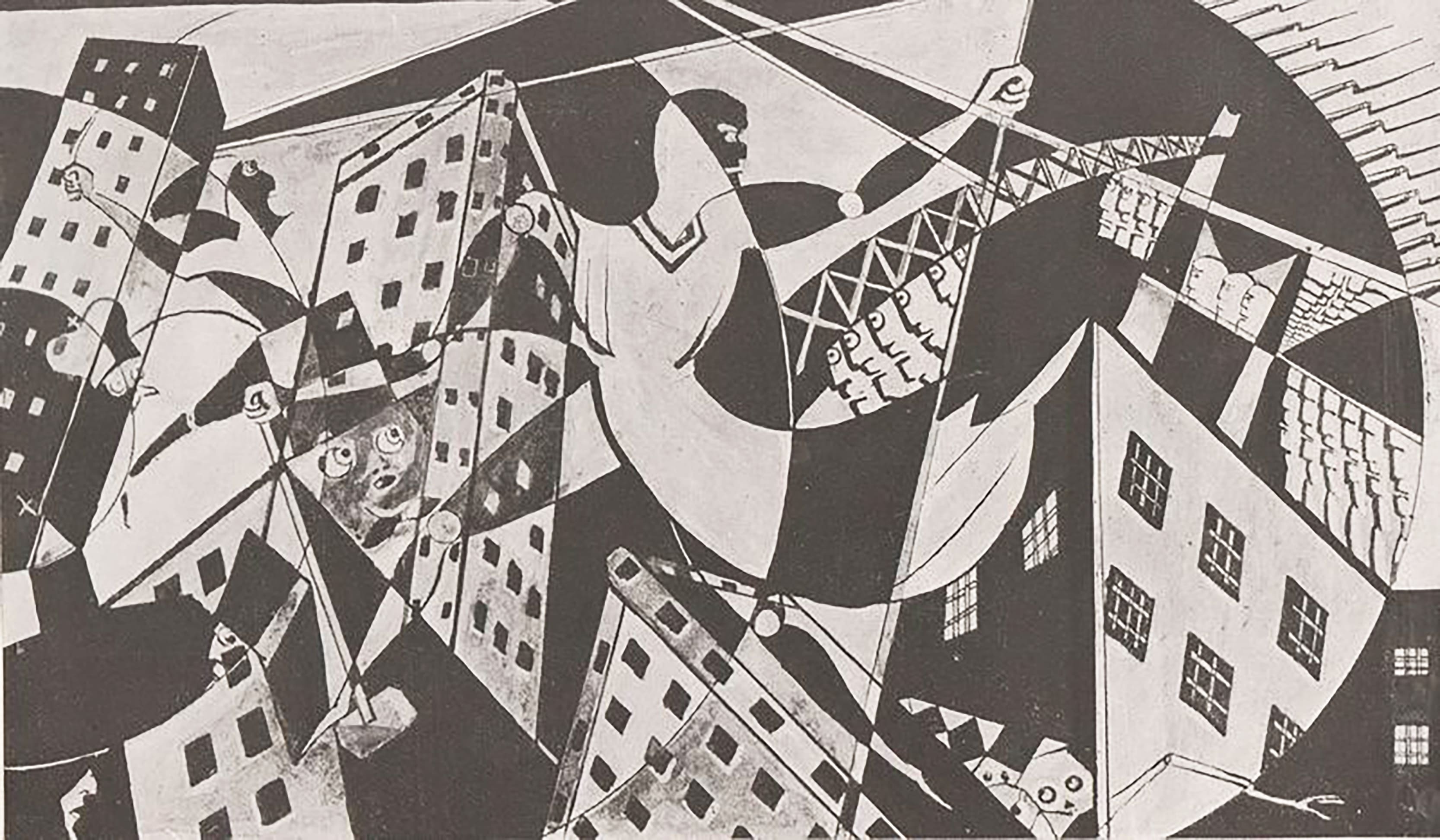
Nevertheless, until the late 1920s, avant-garde experimentation in Georgia continued largely by inertia, particularly in theater and cinema.¹⁰ One reason for this lies in the nature of these media, which were grounded in the art of action, where the semantic and ideological content of performances played a decisive role. As a rule, productions of the period were characterized by leftist or patriotic themes (Anzori, The Robbers, Hoppla, We’re Alive!, Gas, Man–Mass, Maelstrom, Breakthrough, Lamara, etc.). Consequently, the emphasis was placed more on content than on form, which, for a certain period, allowed theater artists and directors to continue artistic and formal experimentation.
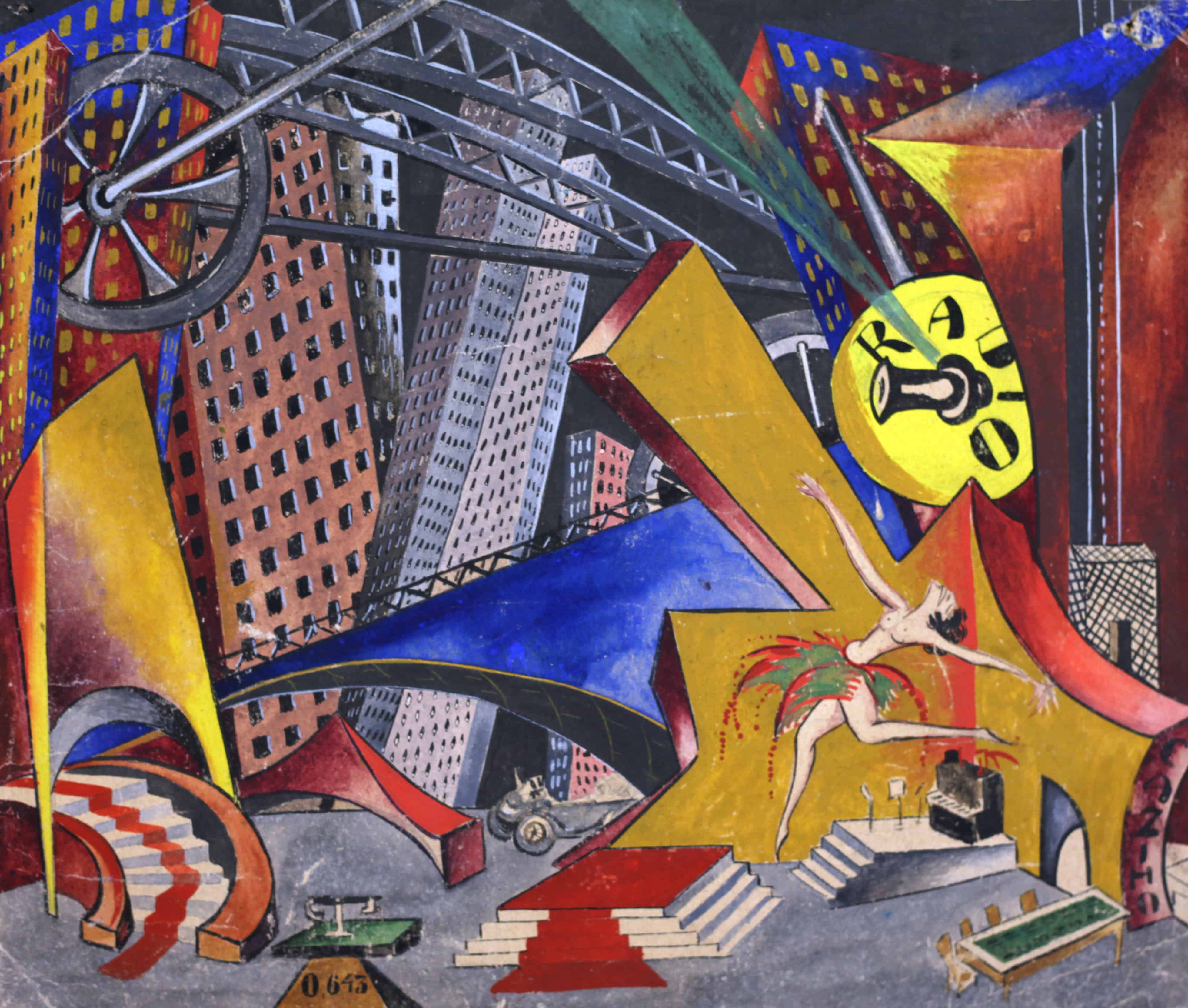
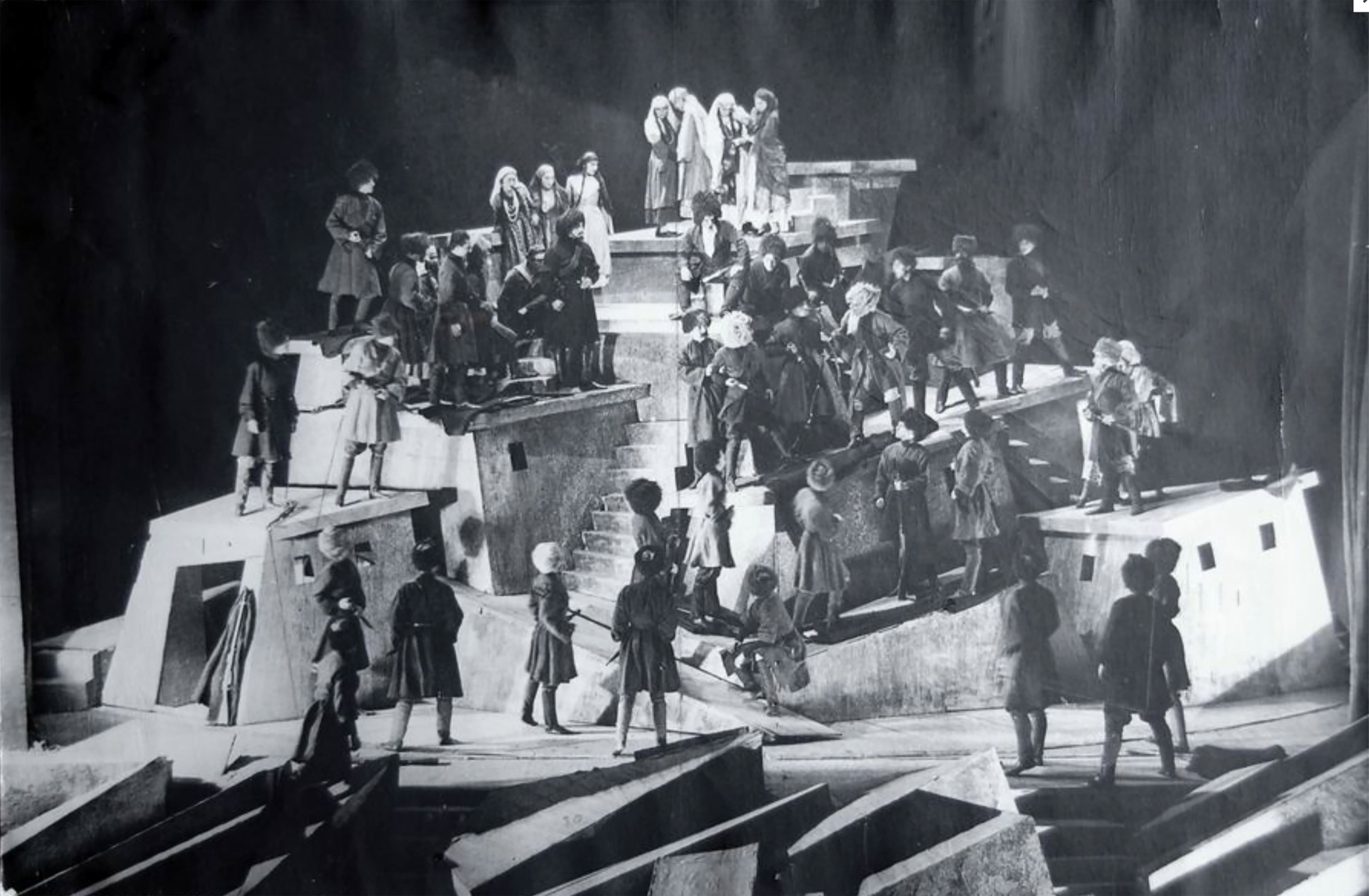
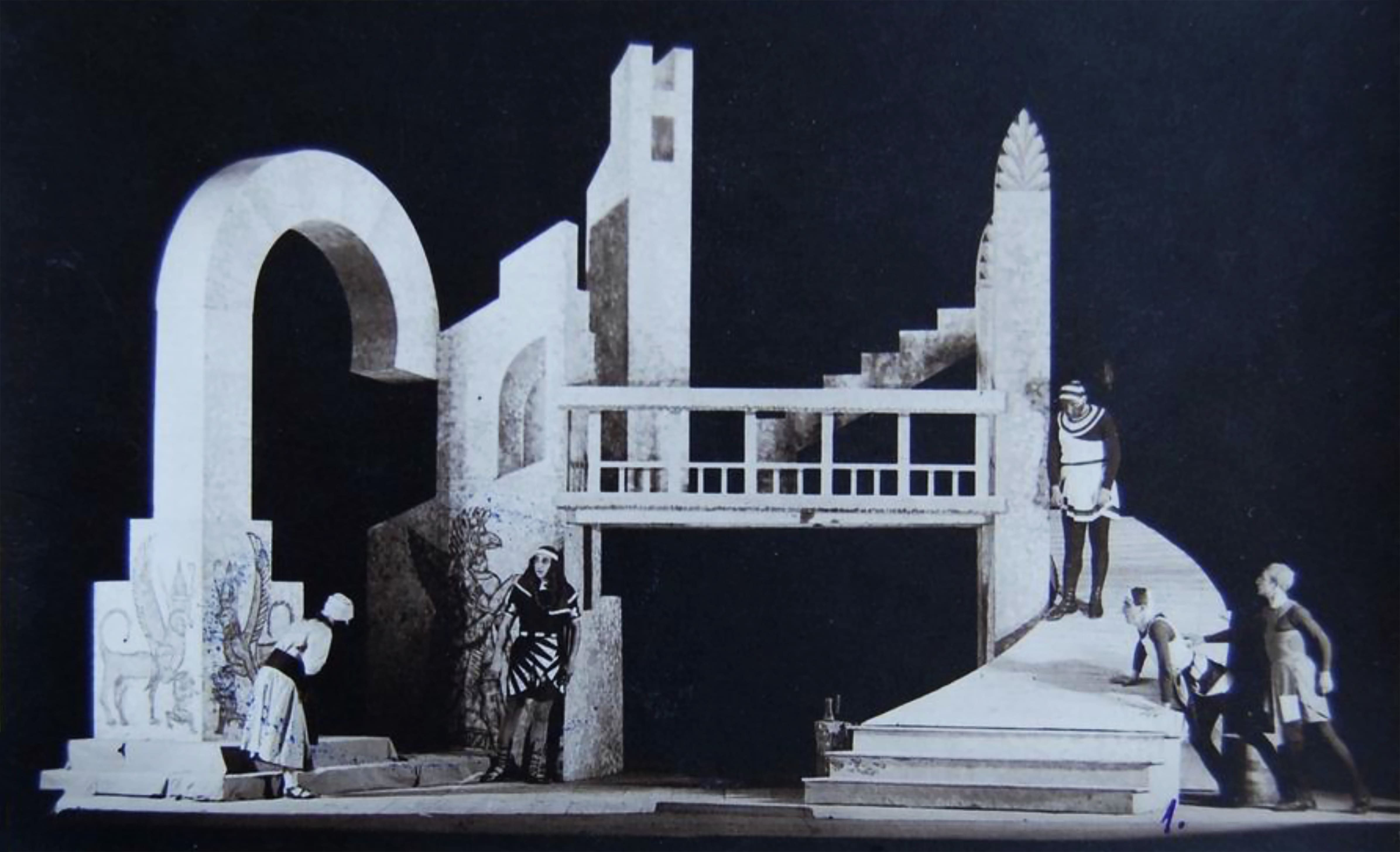
Notable examples of theatrical art of this period are found in the works of Irakli Gamrekeli, Petre Otskheli, David Kakabadze, Lado Gudiashvili, Kirill Zdanevich, Elene Akhvlediani, and others. Their artistic language encompasses minimalism, futurism, constructivism, and a range of other avant-garde experiments.¹¹
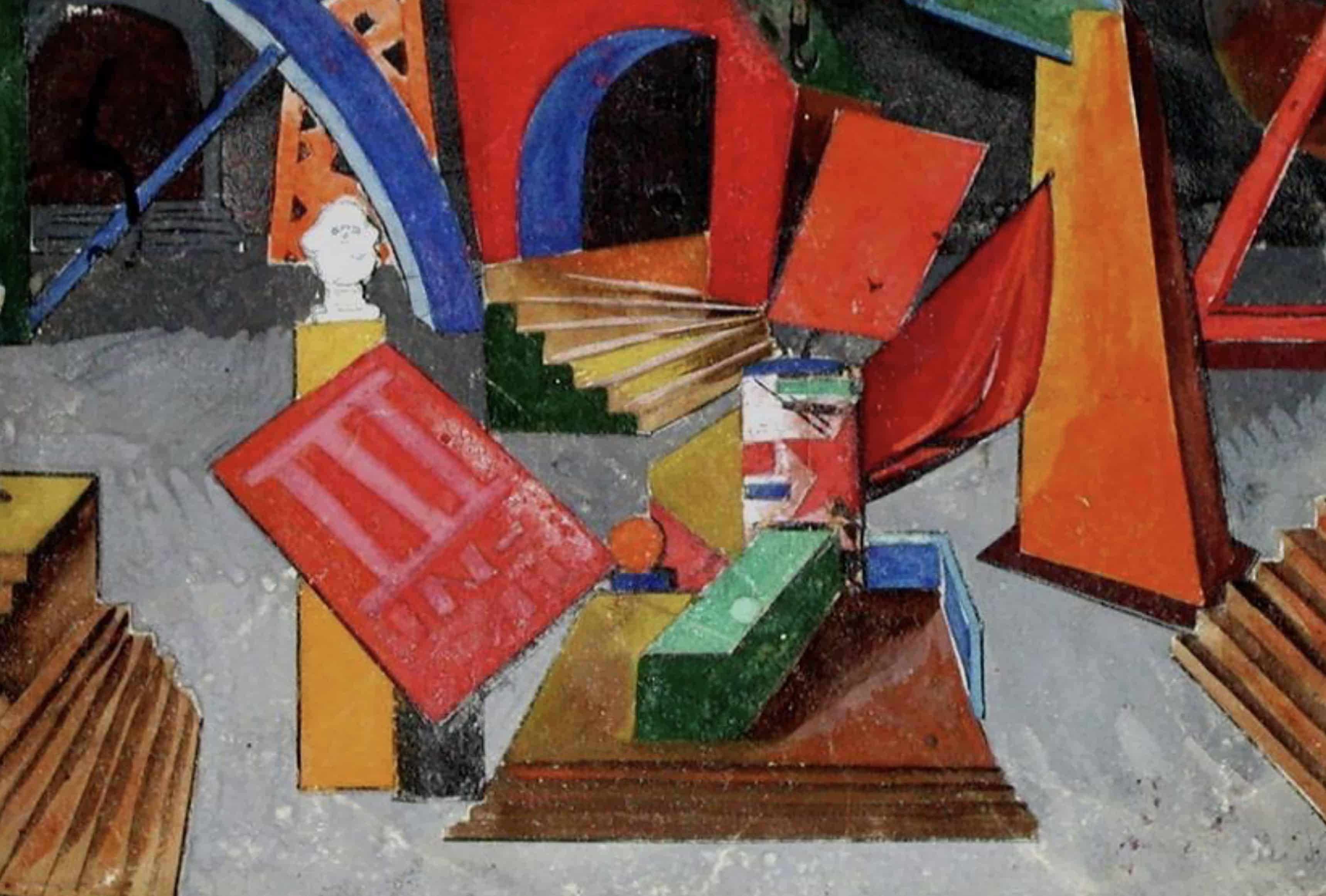
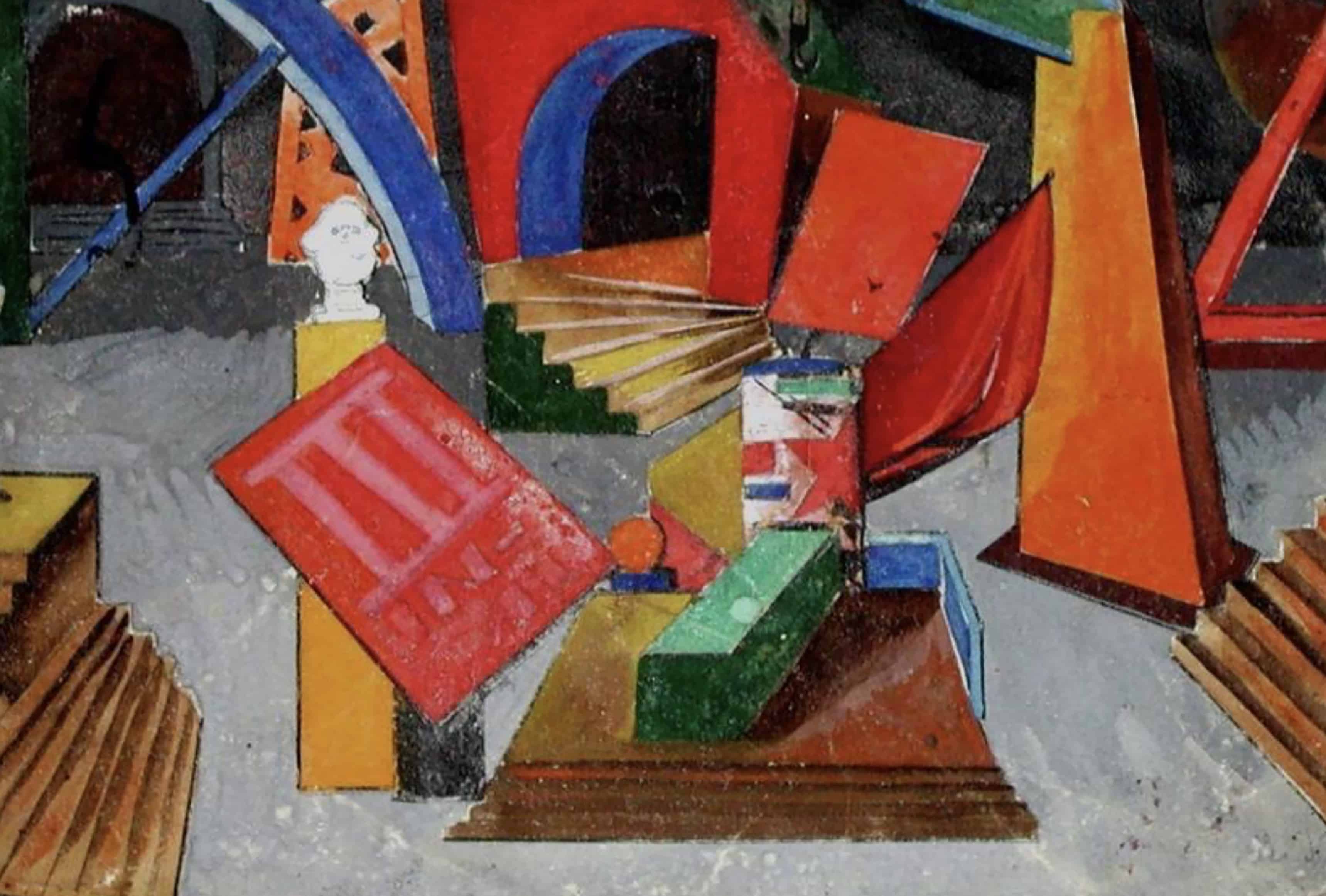
Particular attention should be paid to Irakli Gamrekeli, who left a significant mark on avant-garde theatrical design. Among his futurist works, the stage designs for Maelstrom (based on a work by Grigol Robakidze), staged at the Rustaveli Theater in 1923; Londa (also based on Grigol Robakidze’s work), staged there in 1926; and the design for Ernst Toller’s Man–Mass, staged at the Rustaveli Theater in 1923. Avant-garde experimentation accompanied Gamrekeli’s work throughout his career; however, in these performances, he replaced the principles of minimalism and constructivism with Futurist elements.
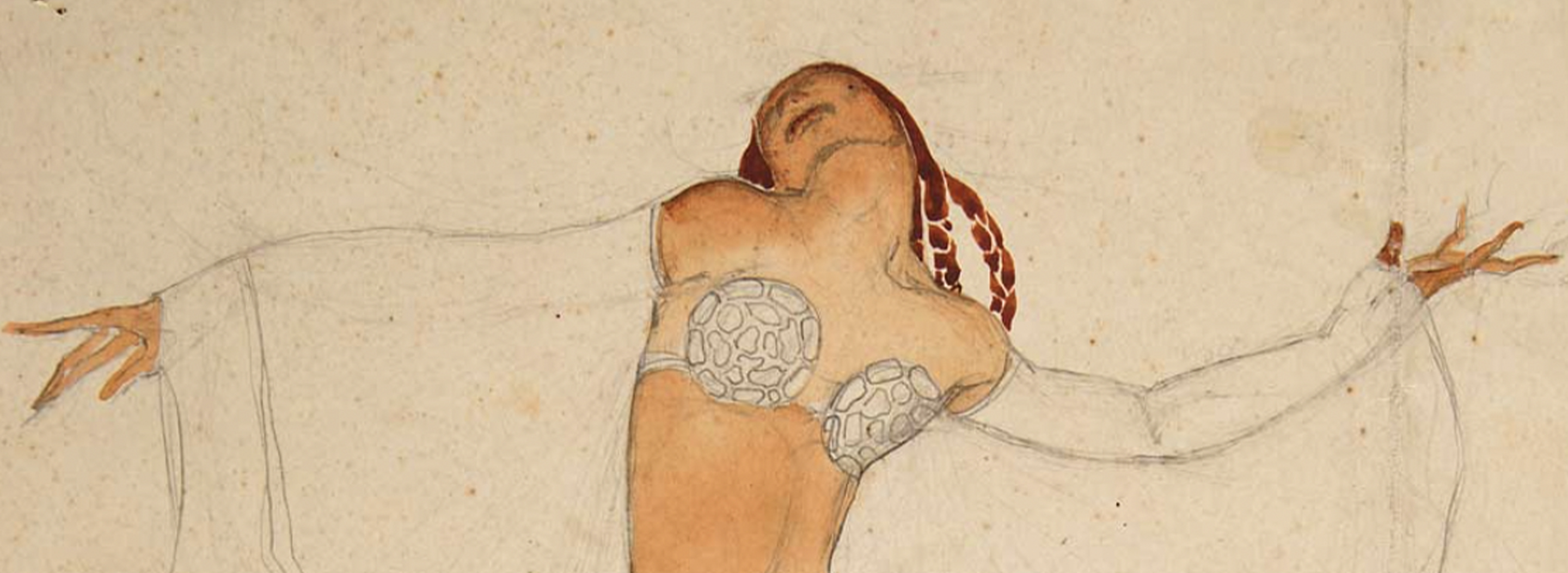
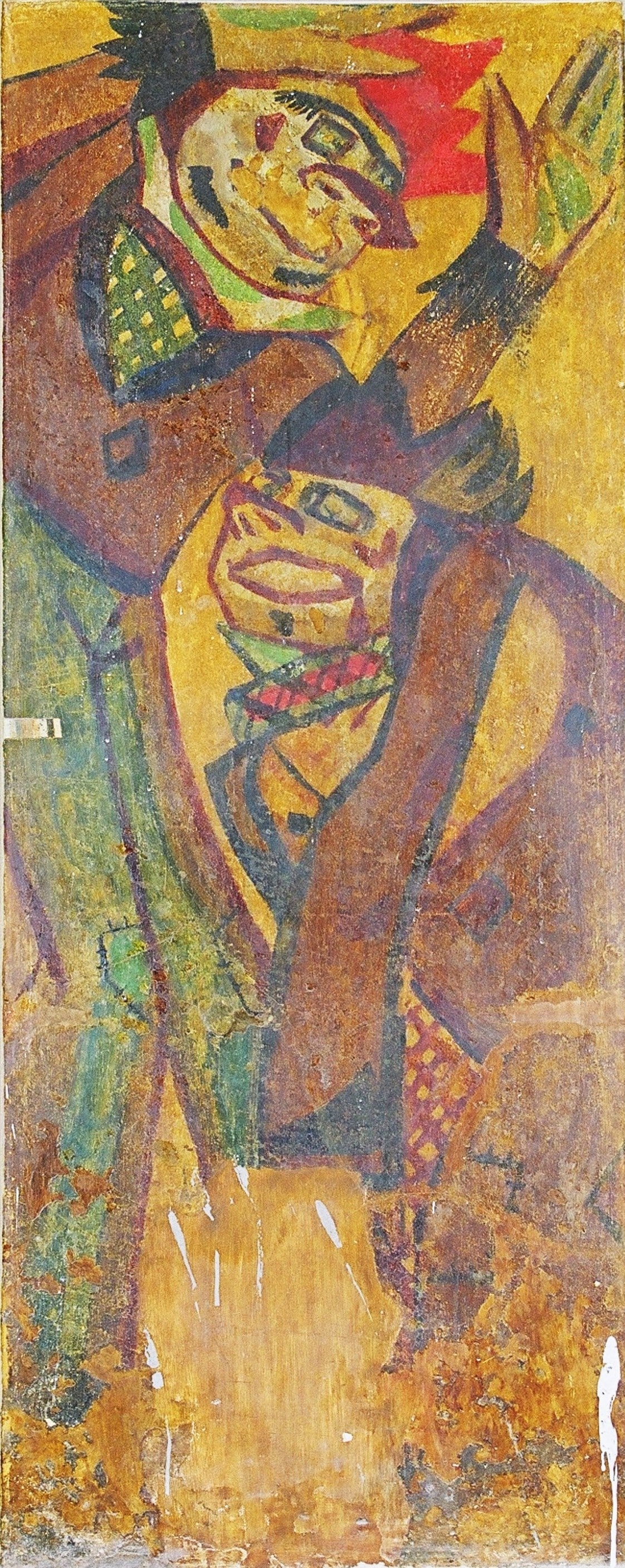
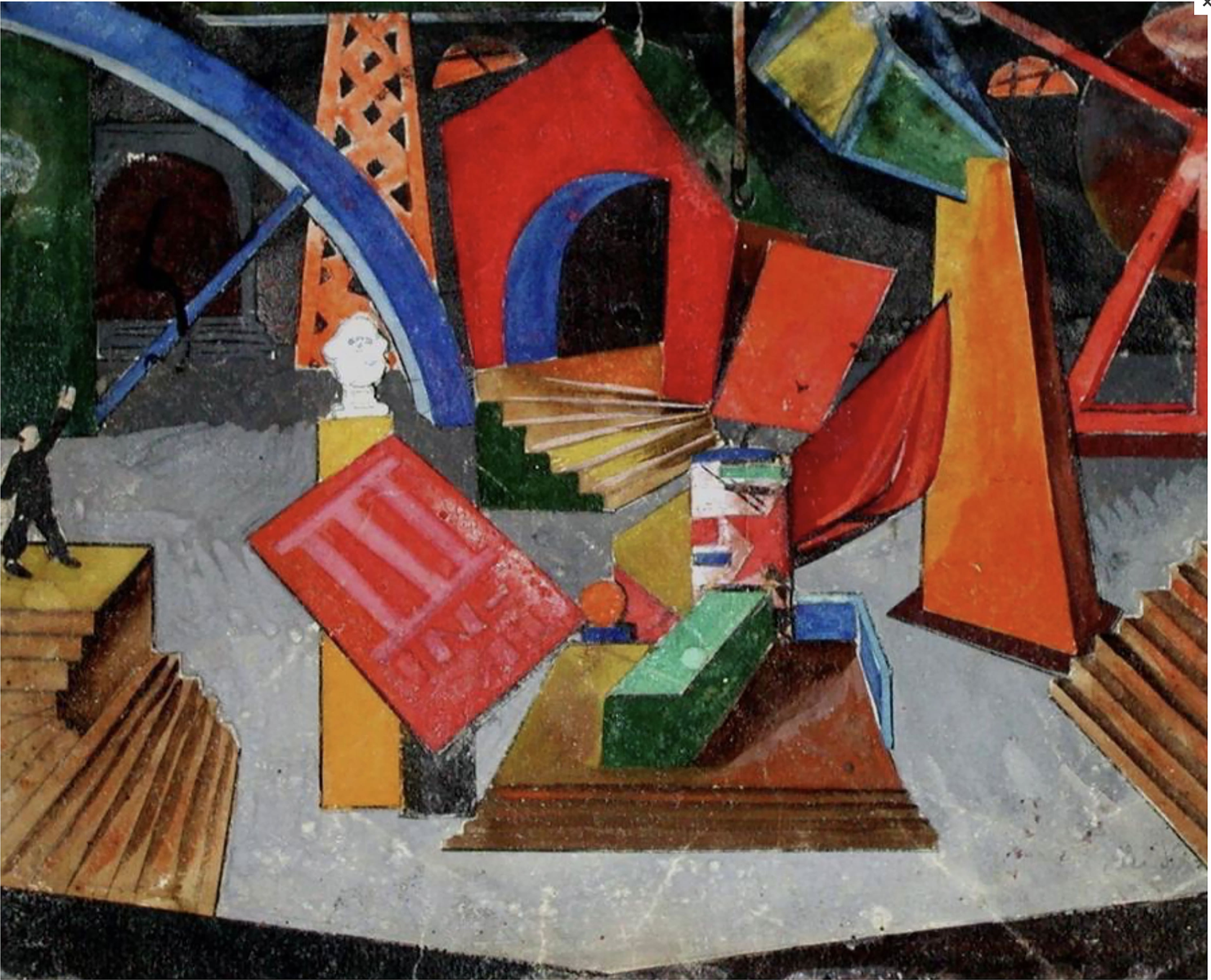
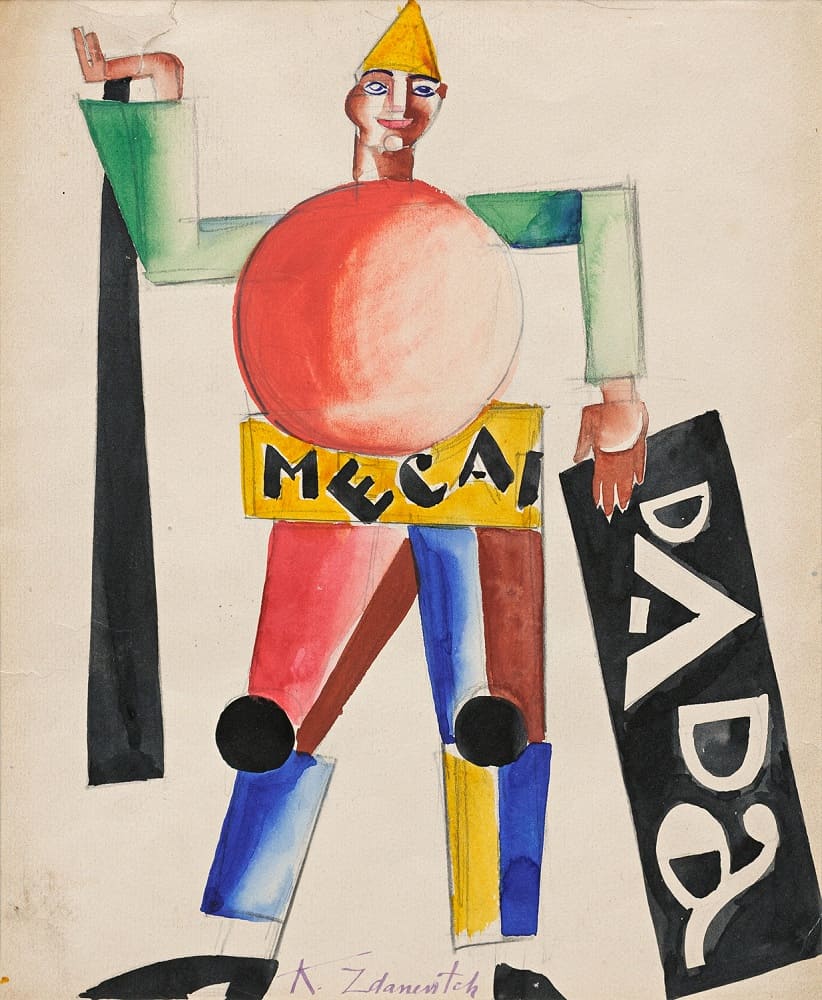
An equally compelling example of avant-garde explorations can be found in the theatrical designs of Kirill Zdanevich. His stage design for Gas (1924) stands as one of the best examples of Futurist theatrical art. Zdanevich’s vivid, expressive color palette harmonizes with the dynamic compositions he created through the confrontation and synthesis of energetic, generalized forms. Of particular interest are the costume sketches he produced for Maelstrom. Cubo-Futurist–Dadaist works, in which geometric, abstracted forms dominate. Indeed, the entire compositional structure is permeated with Dadaist absurdity—most explicitly in the figure holding a placard bearing the word “Dada.”
The Georgian cinematic avant-garde should be discussed separately, as it witnessed close collaboration between artists and film directors to create resulting in such masterpieces as My Grandmother (1929, dir. Kote Mikaberidze, production designer Irakli Gamrekeli), Salt for Svanetia (1930, dir. Mikheil Kalatozishvili, production designer David Kakabadze), Saba (1929, dir. Mikheil Chiaureli, production designers Lado Gudiashvili and David Kakabadze), and others.
In 1928, the Soviet government issued a decree on artistic and literary organizations, in which modernist and avant-garde movements were denounced as formalist and bourgeois. This marked the beginning of the systematic suppression of the avant-garde throughout the Soviet Union. As a result, the natural and logical development of Georgian modern art was forcibly interrupted. In 1932, socialist realism was proclaimed the official and universal artistic method across the entire Soviet Union, becoming a powerful ideological instrument in the hands of the authorities.
Thus came the end of Georgian Modernism. The storm and blizzard of the Russian Revolution swept over Georgia as well. The vast majority of those who had transformed Tbilisi into a city of poets, and Georgia into an “oasis,” found themselves in exile or in concentration camps. Many perished during the grim years of the 1930s. A part of the Georgian intelligentsia, like their Russian counterparts, fled abroad, carrying with them until the end of their lives a dreamlike memory of the atmosphere of those remarkable years—an atmosphere which, as David Kasradze wrote, was created by “the architects of the new politics of liberated Georgia.”¹²
─────────────────────────────────────────────────────────
1 The former name of the capital of Georgia, Tbilisi (until 1936).
2 Titian Tabidze, “Kimerioni,” Barricade, No. 5, 22 January 1922.
3 Natalia Goncharova, Mikhail Larionov, Aleksandr Shevchenko, Mikhail Le-Dantiu, et al. and Futurists,” from the collection Osliniy Khvost i Mishen (Donkey’s Tail and Target), Moscow, 1913.
4 Paolo Iashvili, “The First Word,” The Blue Horns # 1, 1916.
5 Titian Tabidze, “Kimerioni,” Barricade, No. 5 (1922), p. 2-3
6 However, as the journal “ARS” (1918) informs us, the audience did not receive the artist’s work very
warmly, as it was difficult for them to perceive Zdanevich’s “new forms of beauty.”
7 Eganbiur and Kruchonikh: An Exhibition of Pictures by Kirill Zdanevich, p. 2.
8 Among the publishers were Beno Gordeziani, Akaki Beliashvili, Simon Chikovani, Zhango Ghoghoberidze, Irakli Gamrekeli, Nikoloz Shengelaia, and Shalva Alkhazishvili.
9 Simon Chikovani, Urgent Explanation of the Publication of the Journal H₂SO₄, Mnatobi, 1924, no. 4.
10 In these artistic fields, the avant-garde lasted for an even longer period, until the late 1930s.
11 Georgian avant-garde theatre was shaped by the outstanding director Kote Marjanishvili, who, beginning in 1922, invited talented modernist artists to collaborate with him.
12 David Kasradze. “Kimerioni,; Georgia 3 (1920), p. 3.