Before discussing
one of the greatest recognitions of Georgian culture, it is worth recalling how
a new understanding of
cultural heritage emerged globally and evolved within the framework
of modernity.
At the end of the twentieth century, a wave of globalization swept
across the world. Social transformation, technological progress, rapid
urbanization, growing ethnic conflicts, and waves of migration placed unique
languages, folk customs, dances, songs, and traditions under the threat of
extinction—everything that exists within a living environment, lends
authenticity to human existence, and lays the foundation for collective
identity.
In 1982, at the World Conference on Cultural Policy, convened in Mexico City on the initiative of UNESCO, a new
approach was put forward:
that cultural heritage encompasses not
only tangible monuments, but also the living traditions and forms of expression, handed down through generations, which shape the identity of communities and nations. It was at this
conference that the term “intangible culture” was introduced;
thereafter, it became an integral part of international
scientific discourse.
International emblem for Intangible Cultural Heritage
Following
the conference, UNESCO shifted its focus toward establishing mechanisms to
protect spiritual culture, and introduced
several significant projects to the international community. In 1989, it adopted the Recommendations
on the Protection of Traditional Culture and Folklore. In 1993, it published the Red
Book of Endangered Languages and an accompanying Atlas.
Atlas of the World's Languages in Danger
Three years later, in 1996, UNESCO presented the report Our Creative Diversity, which clearly
stated that the fragile and delicate sphere of spiritual culture—long
neglected—required both dedicated care and international recognition.
A logical continuation of this process came on May 18, 2001, when
the first list of Oral and Intangible
Heritage of Humanity was presented, within which were 19 masterpieces. Among them was Georgian polyphony, recognized as a
unique phenomenon of world culture.
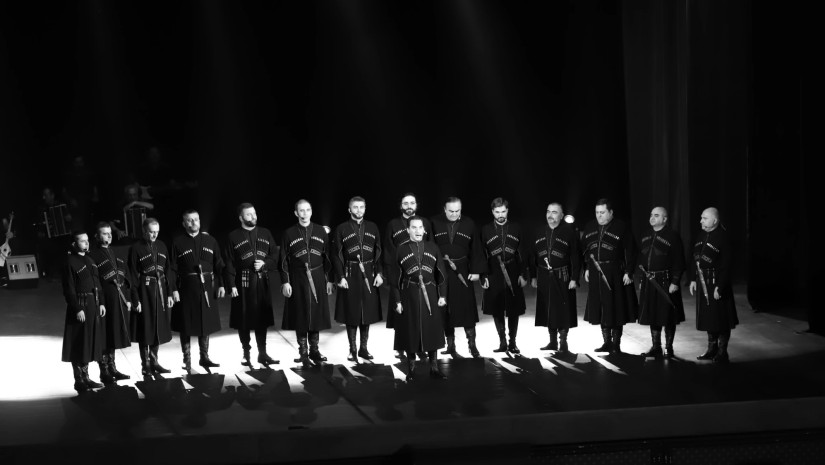
The Rustavi Ensemble
The Georgian project presented to UNESCO featured
recordings of folk songs performed by the Rustavi Ensemble.
The list expanded over the following years. The second and third lists, presented in 2003 and 2005, recorded a total of 90
masterpieces.
In 2008, after the Convention
for the Safeguarding of the Intangible Cultural Heritage entered into
force, Georgian polyphony was officially included in the UNESCO Representative
List of the Intangible Cultural Heritage of Humanity.
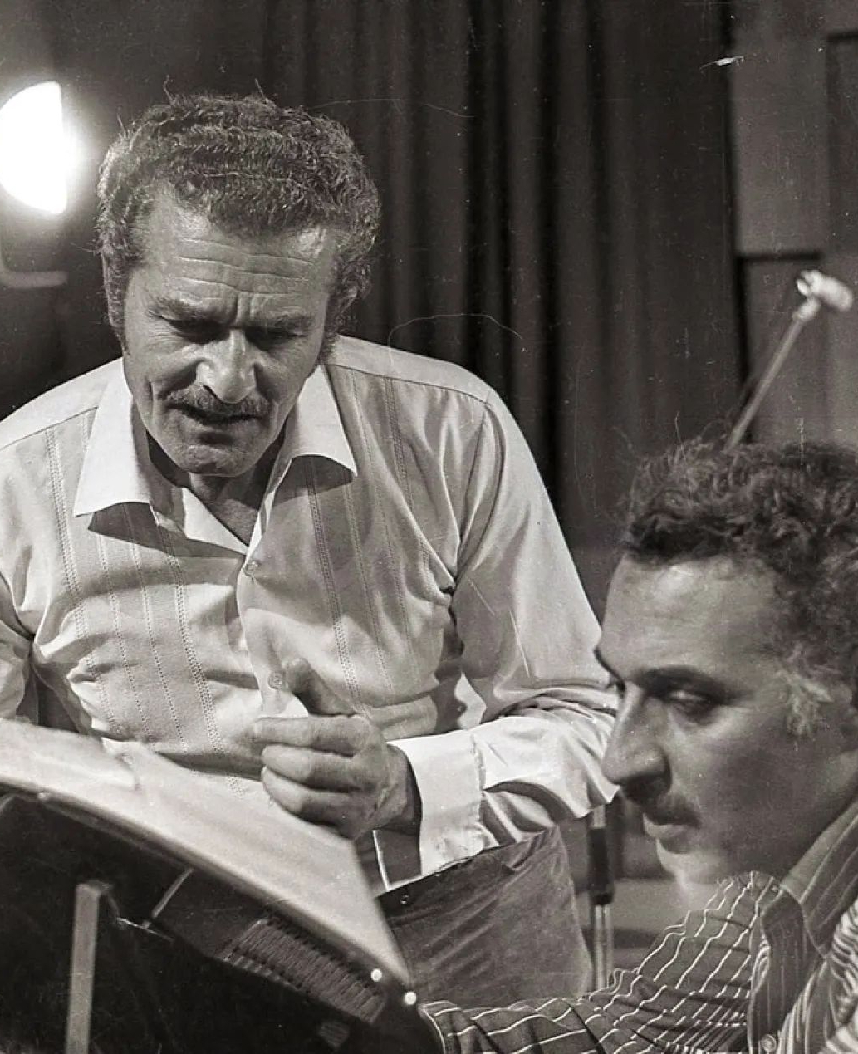
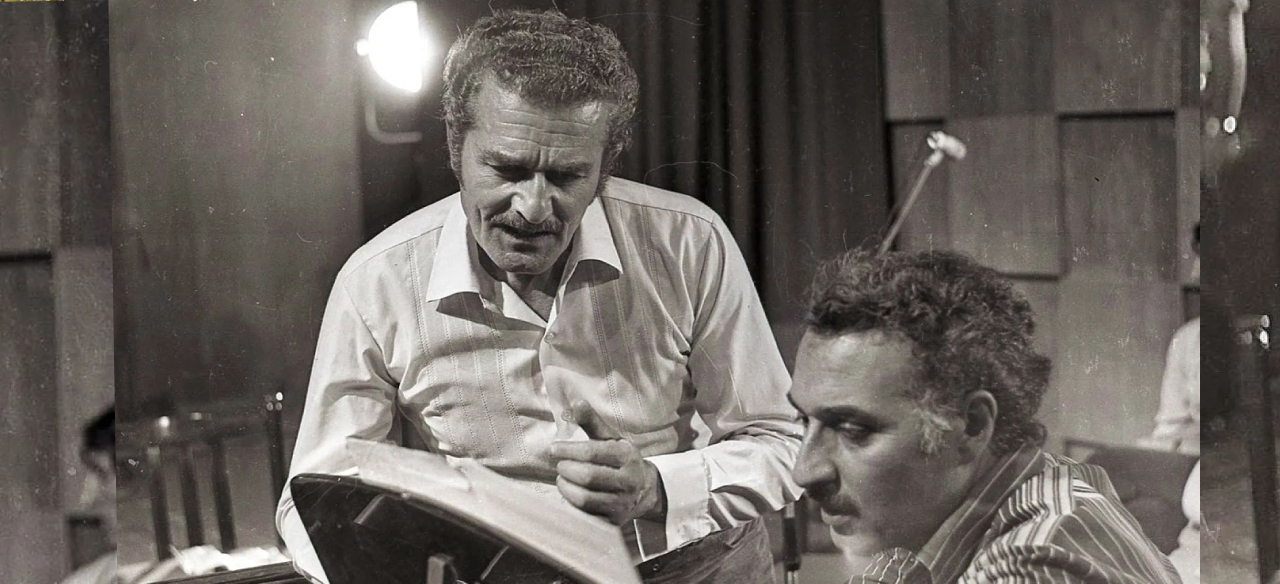
The driving force behind the recognition of Georgian polyphony was Anzor Erkomaishvili — an eminent folklorist, founder
of the Rustavi Ensemble, devoted promoter of folk art, and excellent musician.
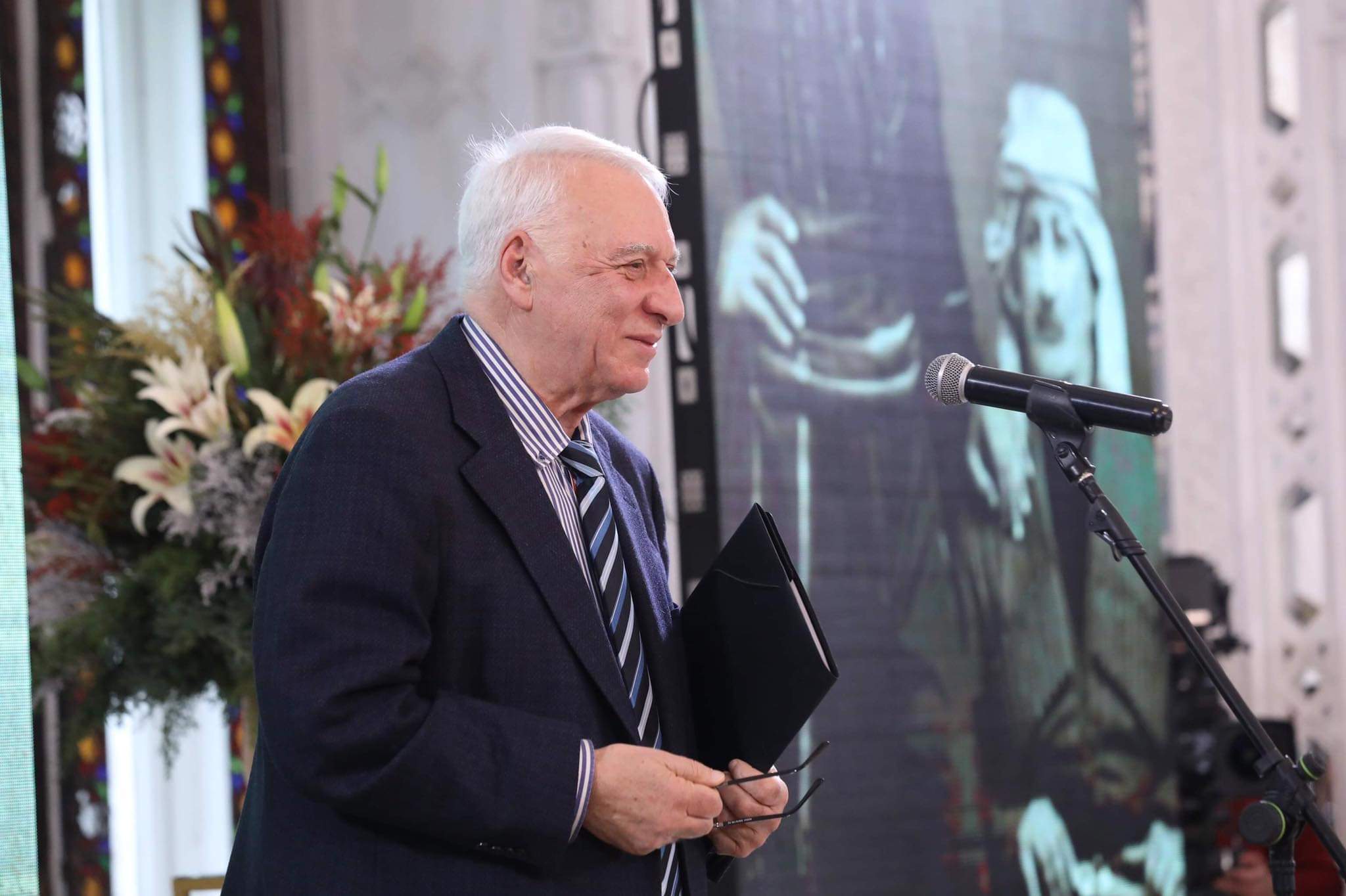
Anzor Erkomaishvili
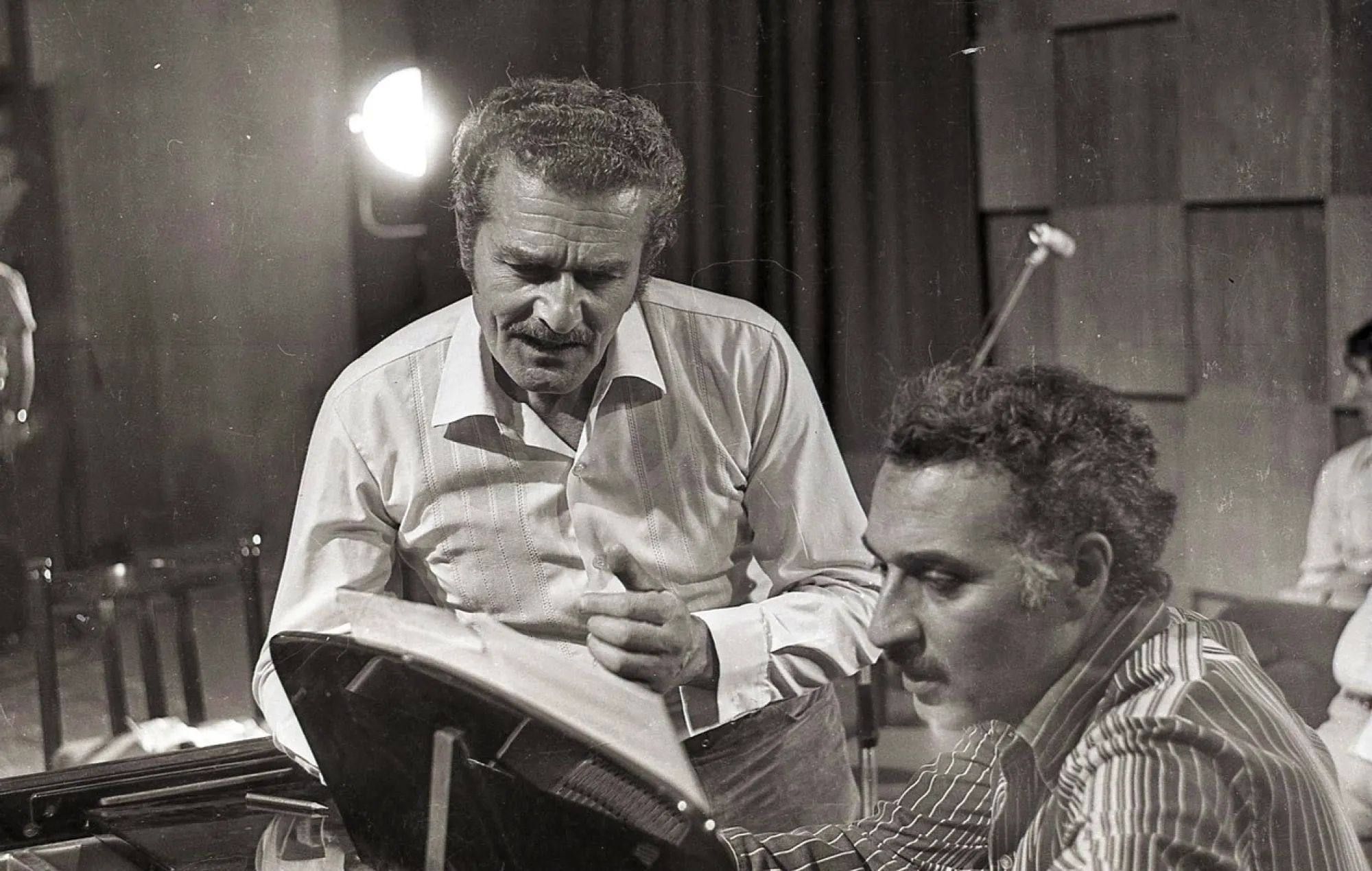
Anzor Erkomaishvili and Hamlet Gonashvili
In 2001, Anzor Erkomaishvili received a special invitation from
UNESCO to serve on the International Folklore Commission. Nineteen
experts from various countries were assigned the task of selecting nineteen
masterpieces of oral and intangible heritage from among hundreds of examples,
including folk dances, songs, rituals, traditions, and theatrical performances.
Later, Erkomaishvili
recalled in an interview:
“For seven years, I
served as a member of the UNESCO Folklore Commission.
During that time, I reviewed the folklore of the
entire world, and I can say
with confidence that there was no project like the Georgian one. I was the
author of that project... Georgian polyphony proved able
to surpass the polyphonic songs of all other
nations.”
Together with Erkomaishvili, Georgia’s Permanent Representative to
UNESCO, the distinguished expert Natela Laghidze, played an active and devoted role in achieving recognition
for Georgian polyphony.
Regrettably, no visual documentation has survived — neither photographs nor video recordings — of the historic moment that recognition was received.
Nonetheless, the important news of the recognition was welcomed
with deep excitement by music enthusiasts across Georgia,
and it soon inspired a wave of creative initiatives
and cultural projects dedicated to promoting Georgian heritage.
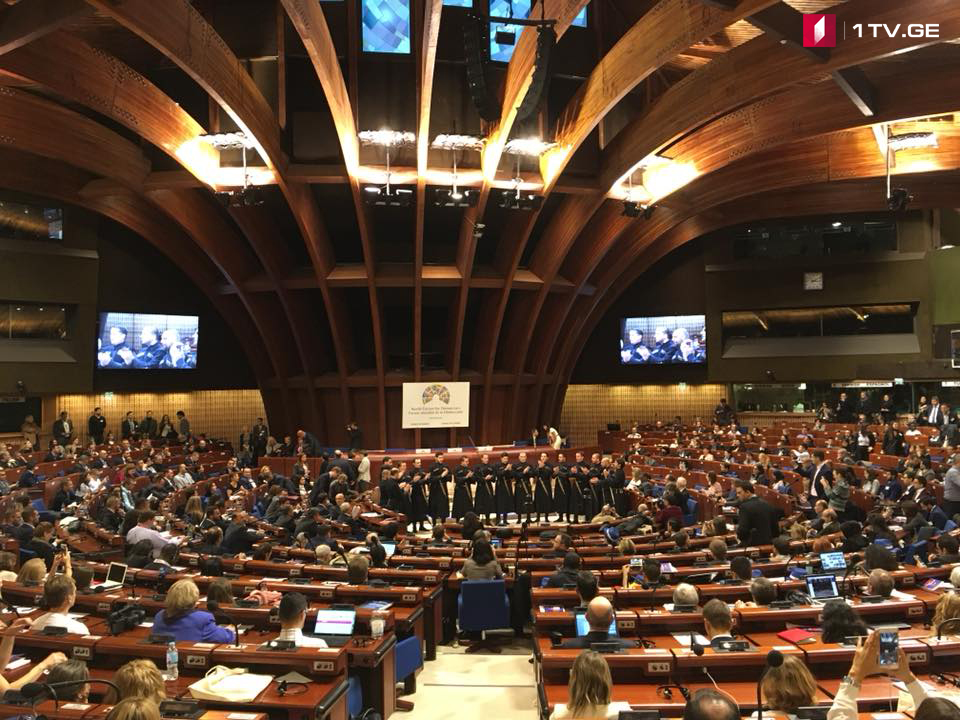
Shavnabada Ensemble, World Forum for Democracy,2019
With
UNESCO’s support,
the International Research Center for Traditional Polyphony was founded at the
Tbilisi State Conservatory in 2003. From 2003 to 2007, in
cooperation with the International Center for Georgian Folk Song, and with
funding from UNESCO and the Japanese Fund-in-Trust, the center carried out the
program ‘Protection and Development of Georgian Polyphony.’ Within the
framework of this program, the works of Georgian scholars were made accessible
to foreign specialists.
It is noteworthy that among the first
published collections
on the topic
was the essay The Chant, Song, and Humming of the Iberians
by the 19th-century poet, publicist, and historian Aleksandre
Jambakur-Orbeliani (1802–1869), as well as Ilia Chavchavadze’s (1837–1907) Georgian Folk Song. The collection also
brought together important works by Dimitri Arakishvili (1873–1953), Ivane
Javakhishvili (1876–1940), and other prominent figures.
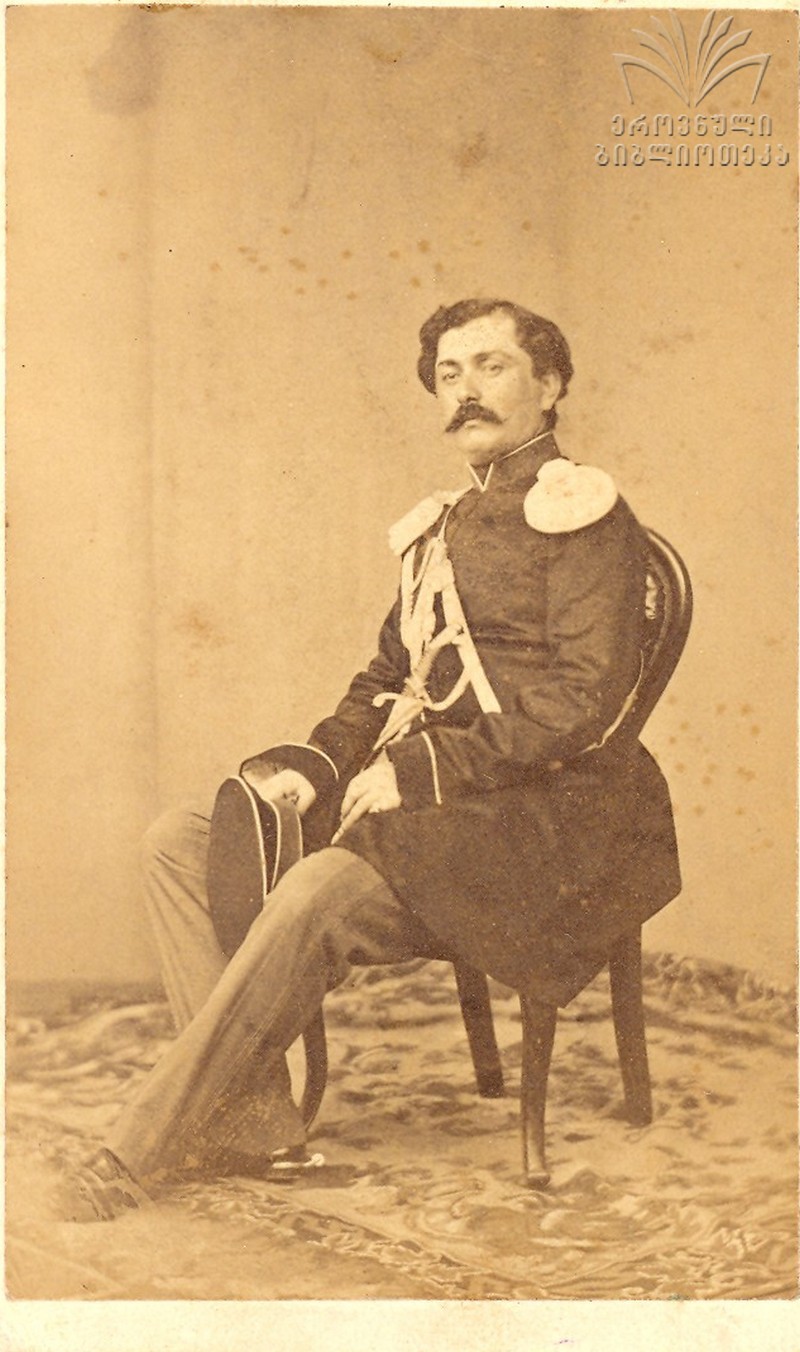
Aleksandre Jambakur-Orbeliani, National Library of Georgia
In the regions, choirmasters’
schools were established under the guidance of local masters of folk songs. Hundreds
of young people have since become eagerly engaged in the study of folk singing.
Since
its recognition in 2001, Georgian polyphony has attracted growing interest from
foreign scholars. Today,
ethnomusicologists, musicians, and enthusiasts from around
the world study, research, and perform this unique
tradition alongside
their Georgian counterparts.
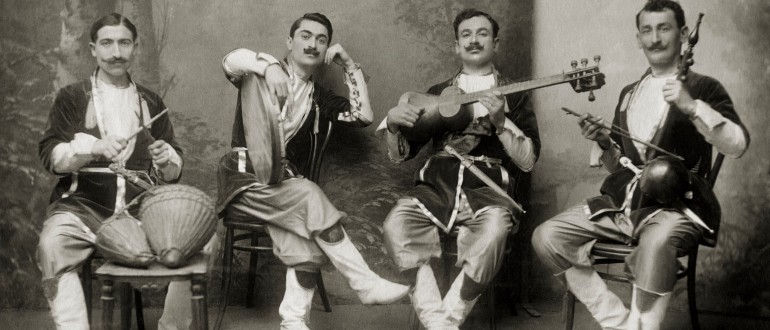
Georgian Folk Singers
Since
2002, the Center for Traditional Polyphony, under the leadership of Rusudan Tsurtsumia, has served as
the regular host
of an international
symposium, bringing together ethnomusicologists, ethnologists, musicologists, and folk
singers from various countries.
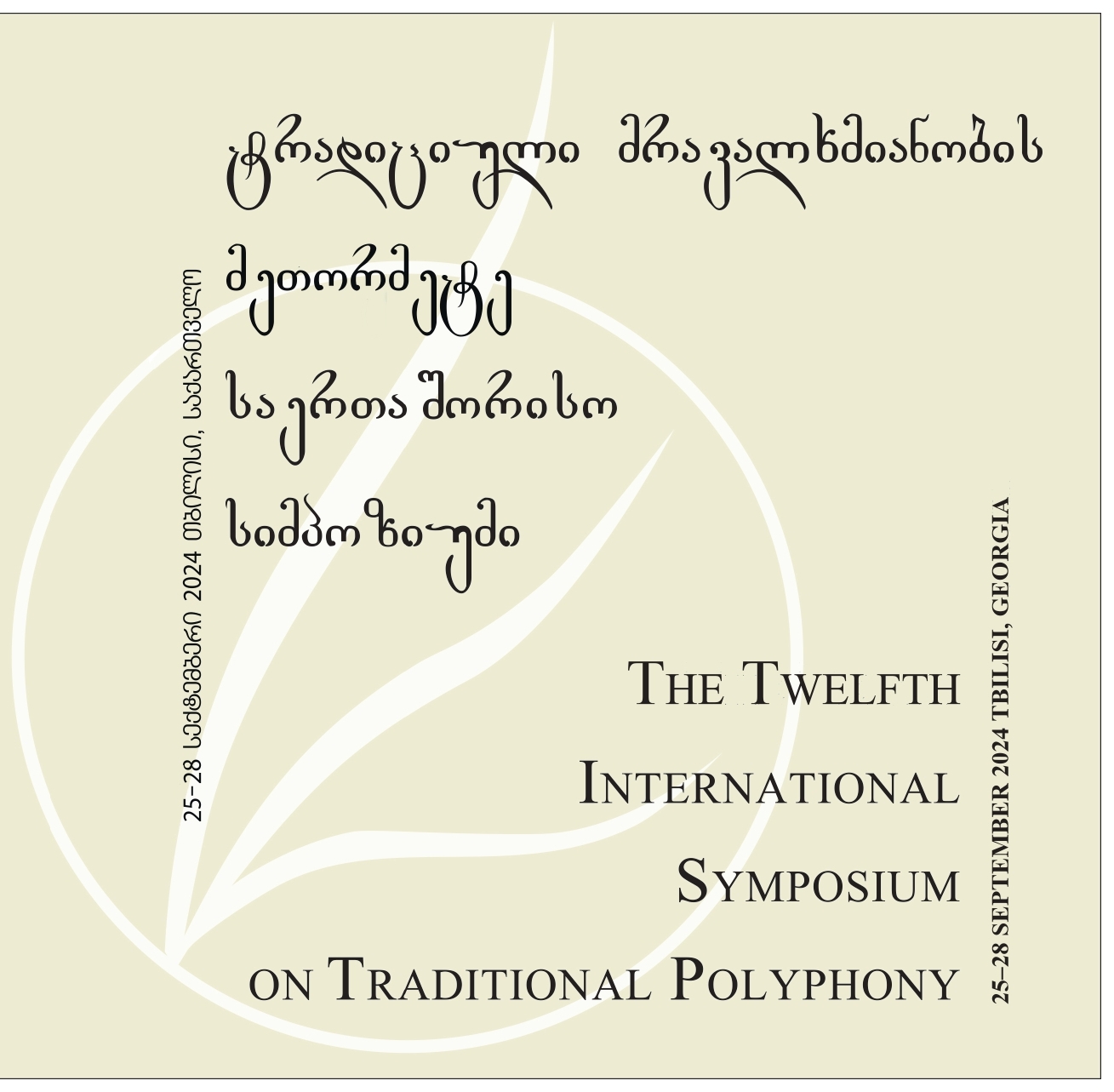
Symposium Poster
To
this day, ethnomusicologists and folklorists continue to organize expeditions
in search of previously unknown material. They study the folklore of Georgians
who migrated to other countries centuries ago, as well as the socio-cultural
aspects of individual songs.
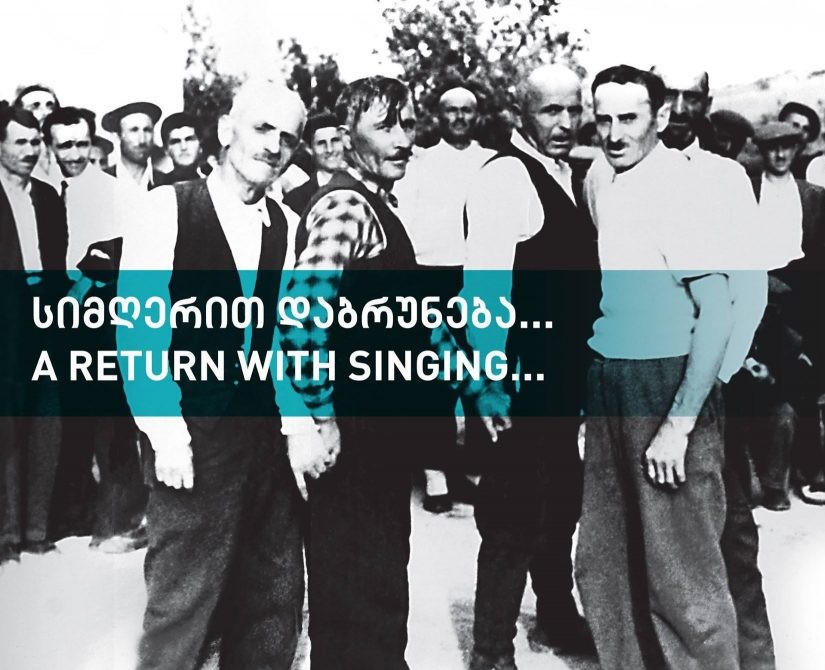
Expedition to visit Georgians living in the Inegol Region (Turkey), Center for the study of Traditional Polyphony,2015
A separate field has also emerged — the study and
research of traditional chants. In 2015, the State Folklore Center of Georgia started publishing a multi-volume
anthology of Georgian traditional chants.
The anthology brings together hymns recorded in printed and manuscript
collections from the late 19th and early 20th centuries. At present, 29 volumes
are available, and the work continues.
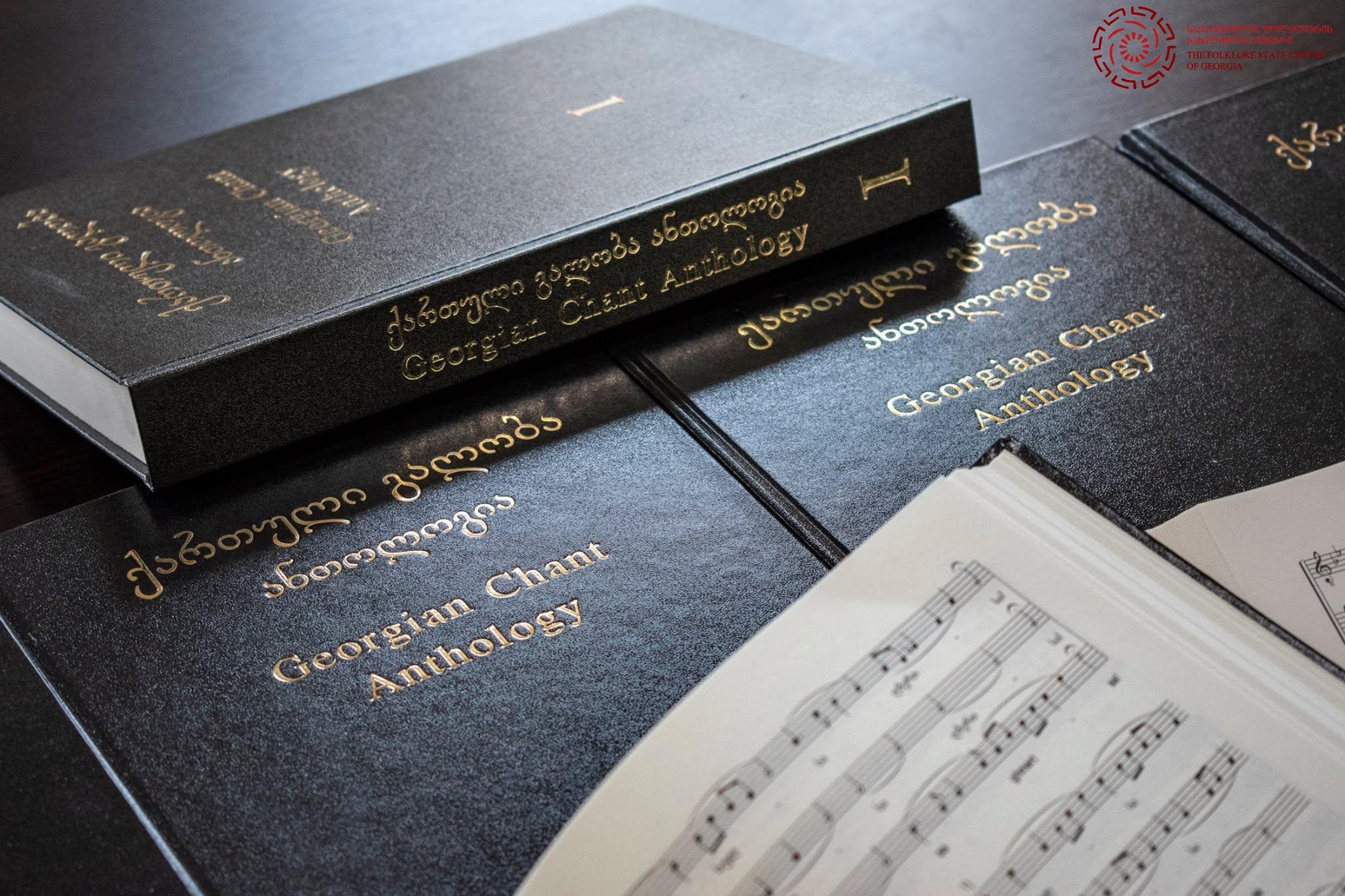
Georgian Chant Anthology
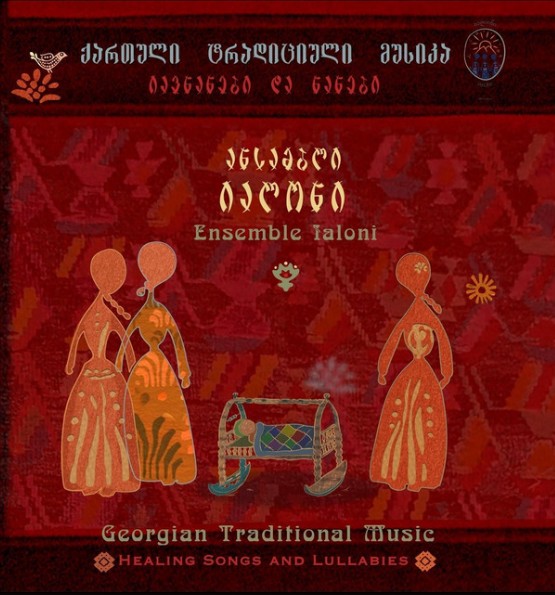
Ensemble Ialoni
In 2021, Georgian traditional
ecclesiastical music — Georgian Chant — was granted the status of an Intangible Cultural Heritage Monument.
The international
recognition of Georgian polyphony has clearly demonstrated that cultural
diversity, spiritual traditions, and scholarly experience are phenomena of not
only national, but also global importance, and stand among the most striking
examples of successful international cooperation and cultural diplomacy.